


#USIranConflictEscalates
Supply Shock Deepens?
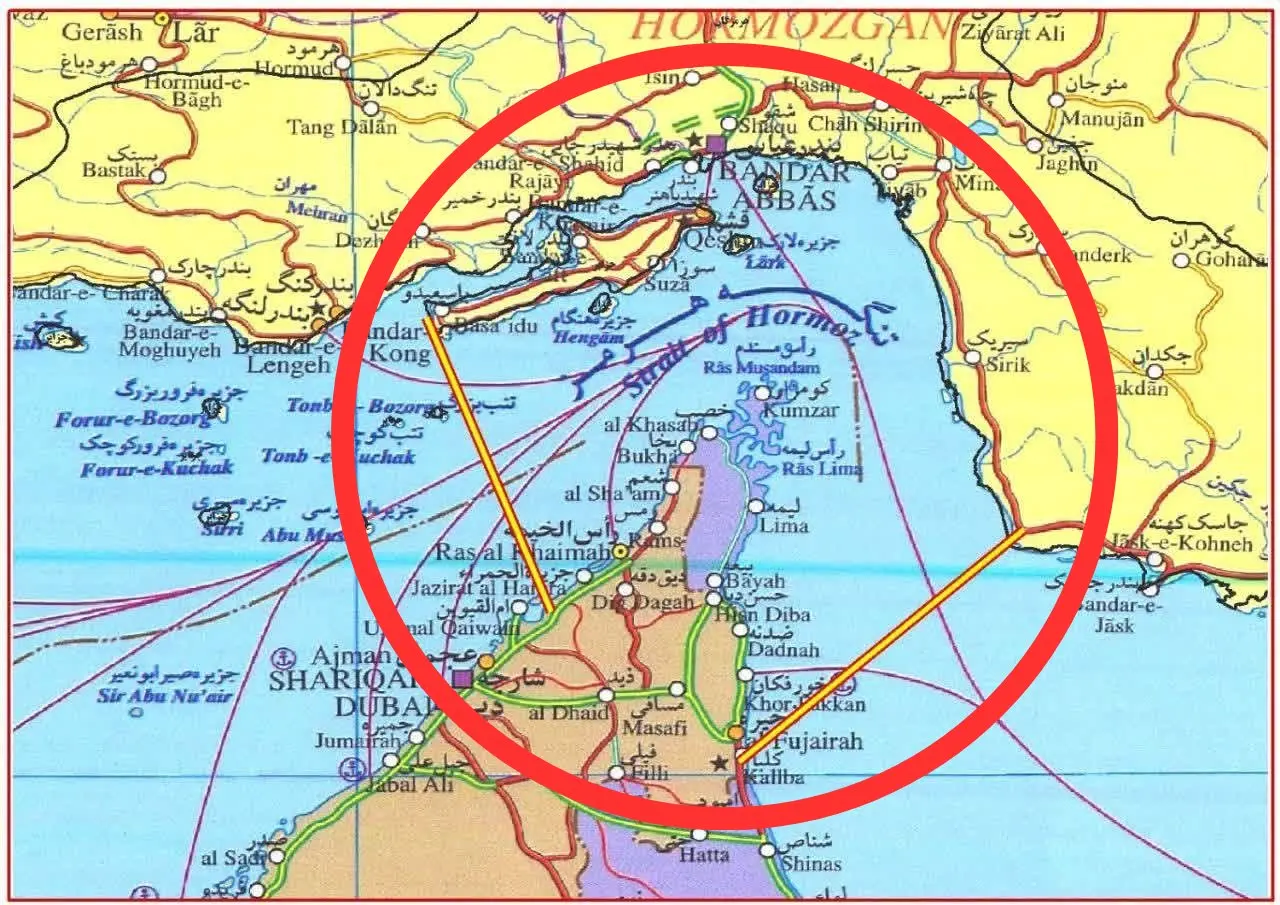
The Strait of Hormuz just marked its third month of effective closure, and the oil market is starting to grasp that the barrels are not coming back soon. WTI punched through $92 on June 11, Brent kissed $96, and US crude inventories just recorded their seventh consecutive weekly draw, down another 7.2 million barrels. This is no longer a price spike. It is a structural compression of global supply.
🔹 A Chokepoint Frozen in Conflict
Since military action escalated on February 28, the world's most critical energy corridor has remained functionally shut. Middle East producers slashed output by over 11 million barrels per day in May compared to pre-conflict levels. Saudi Aramco's CEO publicly warned that if the strait stays blocked beyond mid-June, oil markets will take until 2027 to normalize. That deadline has arrived.
🔹 Diplomacy Collapses, Risk Premium Returns
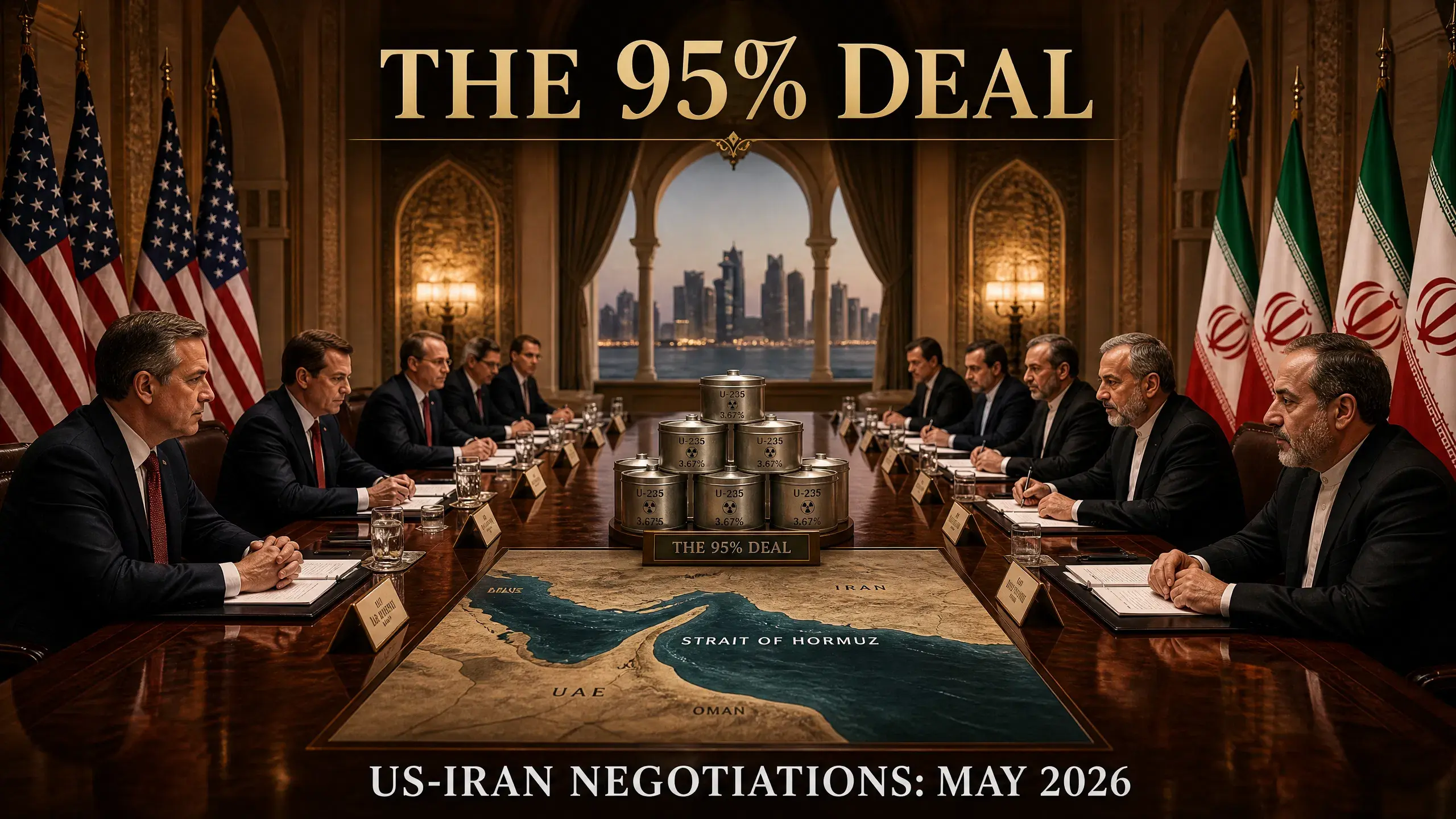
President Trump dismissed Iran's latest counterproposal as inadequate, calling the ceasefire "on life support." Senior energy advisors describe a frozen conflict — active hostilities, zero oil transit, and no diplomatic off-ramp in sight. The earlier rally to $119.50 had partially deflated on brief hopes of a draft agreement, but today's strikes in Southern Iran erased that optimism. WTI jumped from $90.60 to $92.14 intraday as the headlines crossed.
🔹 Inventories Drain at an Alarming Pace
The weekly EIA report showed US crude stocks falling for the seventh straight week, with the 7.2 million barrel draw beating consensus estimates. Total US commercial inventories are approaching the five-year seasonal low. Refinery utilization remains elevated above 94%, pulling every available barrel from storage. When demand is steady and supply is physically cut, the arithmetic is unforgiving.
🔹 The Spillover Hits Every Asset Class
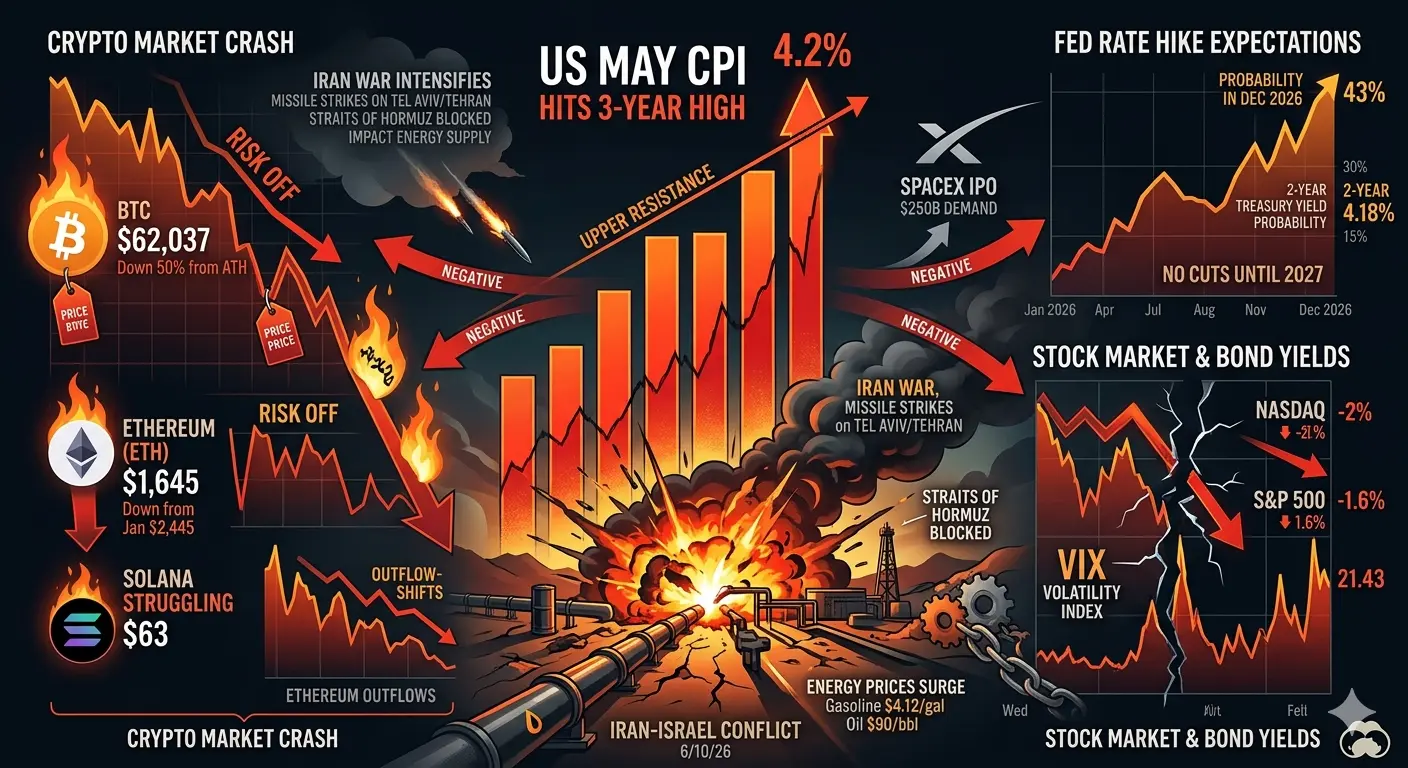
Elevated crude feeds directly into the inflation numbers that keep Fed Chair Kevin Warsh hawkish. Producer prices up 26% over five years are now being compounded by diesel and jet fuel costs surging over 60% in 2026. Gasoline wholesale prices are up roughly 50% compared to pre-conflict forecasts. This tightens the vise on rate-cut expectations, pressures high-multiple equities, and starves crypto of the liquidity it craves. The EIA projects Brent averaging $105 through July, assuming the strait remains closed, with a sharp drop to $79 only if and when Hormuz reopens and shut-in production ramps back up.
🔹 Iraq's July 27 Deadline Compounds the Squeeze
A secondary threat is emerging. Iraq's oil pipeline agreement with Turkey expires on July 27, jeopardizing one of the few remaining major export routes outside the Gulf. If that artery also closes, the supply gap widens further at the exact moment global inventories are scraping seasonal lows.
The world is short several million barrels a day with no immediate fix. The next headline from the Gulf determines whether oil stabilizes or spikes.
Friends, do you see crude pushing back toward triple digits before summer ends, or can diplomacy pull prices back to the $80s?
Supply Shock Deepens?
The Strait of Hormuz just marked its third month of effective closure, and the oil market is starting to grasp that the barrels are not coming back soon. WTI punched through $92 on June 11, Brent kissed $96, and US crude inventories just recorded their seventh consecutive weekly draw, down another 7.2 million barrels. This is no longer a price spike. It is a structural compression of global supply.
🔹 A Chokepoint Frozen in Conflict
Since military action escalated on February 28, the world's most critical energy corridor has remained functionally shut. Middle East producers slashed output by over 11 million barrels per day in May compared to pre-conflict levels. Saudi Aramco's CEO publicly warned that if the strait stays blocked beyond mid-June, oil markets will take until 2027 to normalize. That deadline has arrived.
🔹 Diplomacy Collapses, Risk Premium Returns
President Trump dismissed Iran's latest counterproposal as inadequate, calling the ceasefire "on life support." Senior energy advisors describe a frozen conflict — active hostilities, zero oil transit, and no diplomatic off-ramp in sight. The earlier rally to $119.50 had partially deflated on brief hopes of a draft agreement, but today's strikes in Southern Iran erased that optimism. WTI jumped from $90.60 to $92.14 intraday as the headlines crossed.
🔹 Inventories Drain at an Alarming Pace
The weekly EIA report showed US crude stocks falling for the seventh straight week, with the 7.2 million barrel draw beating consensus estimates. Total US commercial inventories are approaching the five-year seasonal low. Refinery utilization remains elevated above 94%, pulling every available barrel from storage. When demand is steady and supply is physically cut, the arithmetic is unforgiving.
🔹 The Spillover Hits Every Asset Class
Elevated crude feeds directly into the inflation numbers that keep Fed Chair Kevin Warsh hawkish. Producer prices up 26% over five years are now being compounded by diesel and jet fuel costs surging over 60% in 2026. Gasoline wholesale prices are up roughly 50% compared to pre-conflict forecasts. This tightens the vise on rate-cut expectations, pressures high-multiple equities, and starves crypto of the liquidity it craves. The EIA projects Brent averaging $105 through July, assuming the strait remains closed, with a sharp drop to $79 only if and when Hormuz reopens and shut-in production ramps back up.
🔹 Iraq's July 27 Deadline Compounds the Squeeze
A secondary threat is emerging. Iraq's oil pipeline agreement with Turkey expires on July 27, jeopardizing one of the few remaining major export routes outside the Gulf. If that artery also closes, the supply gap widens further at the exact moment global inventories are scraping seasonal lows.
The world is short several million barrels a day with no immediate fix. The next headline from the Gulf determines whether oil stabilizes or spikes.
Friends, do you see crude pushing back toward triple digits before summer ends, or can diplomacy pull prices back to the $80s?