Pheonixprincess

vip
Age 1.4 Year
Peak Tier 5
No content yet
#StockTradingChallengeUpTo17000U
BITCOIN HOLDS ABOVE 103K AS THE MARKET WAITS FOR THE NEXT BIG MOVE
CURRENT MARKET OVERVIEW
Bitcoin is currently trading between 103,900 and 104,600 dollars, showing impressive strength despite geopolitical uncertainty and increased market volatility. Buyers continue defending key support levels while traders watch for the next major breakout.
CRITICAL BITCOIN SUPPORT AND RESISTANCE LEVELS
Major Support Zones
103,730 dollars
100,000 dollars
90,000 dollars
Major Resistance Zones
106,315 dollars
108,000 to 112,000 dollars
A successful breakout above resistance co
BTC-0.29%
ETH-0.73%
post-image
post-image
post-image
US x Iran permanent peace deal by...?
June 30
1.30x
77%
December 31
1.39x
72%
$4.8M Vol+13 more
  • Reward
  • 1
  • Repost
  • Share
HighAmbition:
good information 👍👍
#WTICrudeFallsBelow90Dollars
WTI Crude Oil Falls Below 90 Dollars
Market Shock
WTI crude oil has dropped below the important 90 dollar level, ending May near 87.36 dollars per barrel. Brent crude also fell sharply, closing around 92.05 dollars. This marks one of the biggest monthly declines in oil prices in recent years and has completely changed market sentiment.
Why Is Oil Falling?
The main reason behind the selloff is growing optimism that tensions between the United States and Iran may ease. Reports suggest both sides are moving toward a peace framework that
CL0.69%
post-image
post-image
What price will Bitcoin hit in 2026?
↑ 90,000
1.79x
56%
↓ 55,000
1.89x
53%
$61.89K Vol+32 more
  • Reward
  • 3
  • Repost
  • Share
HighAmbition:
To The Moon 🌕
View More
#WinGoldBarsWithGrowthPoints
Unlock real gold bars by accumulating growth points on Gate.io. Every trade you make, every milestone you reach, and every task you complete adds valuable points to your profile. These points are not just numbers. They are your direct path to exclusive rewards including genuine gold bars delivered to you.
The program rewards your loyalty and activity. Active traders benefit the most because consistent participation multiplies your earning potential. The more you engage with the platform, the faster your points grow, and the closer you get to claiming your gold.
Gr
post-image
post-image
  • Reward
  • 5
  • Repost
  • Share
HighAmbition:
2026 GOGOGO 👊
View More
#TradeCFDWinGold
🔥 Gate Plaza TradFi Trading Sharing Countdown: 1️⃣ Day!
Share your post to split a $30,000 huge prize pool, with a 100% chance to win on your first post as a new user!
🏷️ Today's coin tags: MU, JNJ, MMM, TSM, MRNA
📌 How to participate:
Post with #TradFi交易分享挑战 , meeting any of the following:
🔹 Post with today's designated TradFi coin tags for discussion
🔹 Attach a single TradFi CFD trading card > $10U to share your ideas
🎁 Great prizes: large position experience coupons, WCTC limited edition T-shirts, and more to boost your luck!
Details: https://www.gate.com/
MU4.12%
JNJ-2.34%
TSM-1.02%
MRNA-0.14%
HighAmbition
#TradeCFDWinGold
🔥 Gate Plaza TradFi Trading Sharing Countdown: 1️⃣ Day!
Share your post to split a $30,000 huge prize pool, with a 100% chance to win on your first post as a new user!
🏷️ Today's coin tags: MU, JNJ, MMM, TSM, MRNA
📌 How to participate:
Post with #TradFi交易分享挑战 , meeting any of the following:
🔹 Post with today's designated TradFi coin tags for discussion
🔹 Attach a single TradFi CFD trading card > $10U to share your ideas
🎁 Great prizes: large position experience coupons, WCTC limited edition T-shirts, and more to boost your luck!
Details: https://www.gate.com/announcements/article/51221
repost-content-media
  • Reward
  • 8
  • Repost
  • Share
AngelEye:
LFG 🔥
View More
#24hCryptoFuturesLiquidationsTop400M
The cryptocurrency market recently experienced a significant shockwave when over $400 million in leveraged positions were liquidated within a 24-hour period, sending Bitcoin prices tumbling and exposing the inherent risks of high-leverage trading. This event serves as a critical reminder of how quickly fortunes can change in the volatile world of crypto derivatives trading.
The Mechanics of Futures Liquidation
In the cryptocurrency futures market, traders utilize leverage to amplify their positions, commonly employing ratios of 10x, 20x, or even 50x. This
HighAmbition
#24hCryptoFuturesLiquidationsTop400M
The cryptocurrency market recently experienced a significant shockwave when over $400 million in leveraged positions were liquidated within a 24-hour period, sending Bitcoin prices tumbling and exposing the inherent risks of high-leverage trading. This event serves as a critical reminder of how quickly fortunes can change in the volatile world of crypto derivatives trading.
The Mechanics of Futures Liquidation
In the cryptocurrency futures market, traders utilize leverage to amplify their positions, commonly employing ratios of 10x, 20x, or even 50x. This means that with just $1,000 of capital, a trader can control positions worth $10,000, $20,000, or $50,000 respectively. While this leverage magnifies potential profits, it equally amplifies potential losses. When the market moves against a trader's position, their margin begins to deplete. Once the margin falls below maintenance requirements, exchanges automatically close these positions to prevent further losses. This forced closure is what traders call liquidation.
The $400 Million Liquidation Event Explained
The recent $400 million liquidation figure represents the total value of positions that were forcibly closed by exchanges within a single day. The majority of these liquidations were long positions, meaning traders who had bet on Bitcoin's price rising were caught off guard by sudden downward movements. According to market data, over $280 million of the liquidated positions were longs, marking one of the largest long liquidation events since late February.
Price Action and Critical Levels
Bitcoin's price action during this period revealed several critical technical levels. The cryptocurrency initially traded near $75,800 before experiencing sharp declines. During the liquidation cascade, Bitcoin fell to session lows around $72,450, representing a drop of approximately $3,400 from recent highs. The price briefly touched $74,442 before stabilizing, showing how quickly markets can move when leveraged positions begin to unwind.
Current market data shows Bitcoin trading around $74,114, with the 24-hour high reaching $74,248 and the low at $73,170. The price has recovered somewhat from the liquidation lows, but the market remains sensitive to further volatility. The 24-hour trading volume exceeded 21,190 BTC, indicating significant market activity during this turbulent period.
The Cascade Effect: How Liquidations Amplify Price Moves
The most dangerous aspect of liquidation events is the cascade effect they create. When Bitcoin's price begins to fall, it triggers liquidations of over-leveraged long positions. These forced sales push the price even lower, which in turn triggers more liquidations. This creates a snowball effect where selling begets more selling.
For example, consider a scenario where Bitcoin trades at $75,000 and numerous traders hold 20x leveraged long positions. If the price drops just 5% to $71,250, those 20x leveraged positions face liquidation. The forced selling from these liquidations drives the price down further, potentially to $70,000 or lower, which then liquidates the next tier of leveraged positions. This chain reaction can continue until the price finds support or the over-leveraged positions are exhausted.
Root Causes of the Recent Liquidation Event
Several factors contributed to the recent massive liquidation event. Geopolitical tensions played a significant role, with uncertainty surrounding international conflicts causing investors to seek safer assets. Additionally, macroeconomic factors including rising bond yields and equity market pressure removed support from cryptocurrency prices. The Dollar Index strengthening above 100, driven by inflation concerns and expectations of continued Federal Reserve policy, also pressured risk assets including Bitcoin.
Furthermore, institutional flows showed weakness during this period. Spot Bitcoin ETFs recorded seven consecutive trading days of outflows, with reports indicating a single investor sold $1.29 billion worth of BlackRock's Bitcoin ETF in a dark pool transaction. This institutional selling pressure compounded the already fragile market conditions.
Market Structure and Leverage Distribution
The liquidation heat maps reveal dense clusters of leveraged long positions stacked beneath current price levels. This concentration of leverage creates a precarious situation where even modest price declines can trigger widespread liquidations. The long-to-short ratio on major exchanges showed more than three long positions for every short, indicating excessive bullish leverage in the market.
When the market structure becomes this skewed toward one direction, it creates conditions ripe for a liquidation cascade. Smart money often recognizes these imbalances and may position to take advantage of the forced selling that occurs when prices move against the crowded trade.
Impact on Different Market Participants
The liquidation event affected various market participants differently. Retail traders using high leverage were hit hardest, with many seeing their entire positions wiped out. Professional traders with better risk management and lower leverage ratios weathered the storm more effectively. Institutional investors used the opportunity to accumulate at lower prices, demonstrating the divide between sophisticated and novice market participants.
Altcoins experienced even greater volatility during this period. Solana led the decline among major cryptocurrencies with a 5.1% drop, followed by BNB at 4.5%, XRP at 3.8%, and Ethereum at 3.7%. This underperformance of altcoins relative to Bitcoin is typical during market stress, as investors flee to the relative safety of the largest cryptocurrency.
Lessons for Traders
The $400 million liquidation event offers several important lessons for market participants. First, high leverage dramatically increases the risk of total capital loss. Even experienced traders should consider using conservative leverage ratios, typically not exceeding 3x to 5x in volatile markets. Second, proper risk management including stop-loss orders and position sizing is essential for survival in crypto markets.
Smart traders often use spot markets rather than leveraged futures when volatility is expected. Spot positions cannot be liquidated, giving traders the ability to weather temporary downturns without forced selling. Additionally, maintaining adequate cash reserves allows traders to take advantage of price dips rather than being forced to sell at losses.
Market Recovery and Forward Outlook
Following the liquidation event, Bitcoin has shown signs of stabilization around the $74,000 level. The Coinbase Bitcoin Premium Index, which tracks the price difference between Bitcoin traded on Coinbase and the global market average, fell to -160, its lowest reading since early February when Bitcoin bottomed near $60,000. This weakness in the premium index suggests reduced institutional demand.
However, some technical indicators suggest potential for recovery. The average relative strength index across several altcoins entered oversold territory, suggesting a bounce could be forthcoming. Additionally, options market data shows significant open interest with roughly $8 billion worth of Bitcoin and Ethereum options set to expire, which could create volatility but also potential support levels.
Conclusion
The $400 million liquidation event serves as a stark reminder of the risks inherent in leveraged cryptocurrency trading. When markets move quickly, over-leveraged positions create cascade effects that amplify price movements and cause widespread losses. Traders who survived this event with their capital intact likely did so through proper risk management, conservative leverage usage, and maintaining positions that could not be forcibly closed.
As the market recovers from this liquidation event, participants should remember that cryptocurrency markets remain highly volatile and unpredictable. The traders who succeed over the long term are those who manage risk effectively and avoid the temptation of excessive leverage that leads to forced liquidations during market downturns.
@Gate_Square @Gate广场_Official
repost-content-media
  • Reward
  • 8
  • Repost
  • Share
AngelEye:
To The Moon 🌕
View More
#StockTradingChallengeUpTo17000U
The Stock Trading Challenge offering up to 17,000 USDT rewards is a competitive trading environment designed to test real trading ability under pressure. It is not simply a promotional campaign but a structured performance-based system where traders are evaluated on consistency, discipline, risk management, and decision-making quality. In such environments, success depends on understanding market structure, liquidity behavior, and emotional control rather than luck or random entries.
To perform effectively, traders must adopt a professional, system-based appro
HighAmbition
#StockTradingChallengeUpTo17000U
The Stock Trading Challenge offering up to 17,000 USDT rewards is a competitive trading environment designed to test real trading ability under pressure. It is not simply a promotional campaign but a structured performance-based system where traders are evaluated on consistency, discipline, risk management, and decision-making quality. In such environments, success depends on understanding market structure, liquidity behavior, and emotional control rather than luck or random entries.
To perform effectively, traders must adopt a professional, system-based approach similar to institutional trading logic. This includes understanding price movement, volatility expansion during competitions, liquidity targeting by large participants, and structured risk exposure management.
Role of Gate.com in Trading Challenges and Ecosystem Development
Gate.com plays a significant role in modern trading competitions by providing a secure, high-liquidity trading environment where users can participate in structured trading events such as reward-based challenges. As a global cryptocurrency exchange, Gate.com offers advanced trading infrastructure, deep market liquidity, and a wide range of trading instruments that allow participants to execute strategies efficiently during competitive events.
In trading challenges like this, Gate.com acts as both a platform and ecosystem builder, encouraging user engagement through incentive-driven campaigns. These events help traders improve their skills while interacting with real market conditions. The platform’s high-speed execution, diverse asset availability, and risk management tools make it suitable for both beginner and professional traders participating in competitive environments.
Understanding the Nature of Trading Challenges and Market Behavior
Trading challenges naturally increase market participation because many traders enter simultaneously to compete for rankings and rewards. This leads to sharper volatility, faster price movements, and more frequent false breakouts. Liquidity builds around obvious technical levels, creating conditions where emotional trading becomes extremely risky.
During such events, price often behaves in a way that attracts retail traders into positions before reversing. This is why experienced traders focus on structure and confirmation rather than prediction.
Market Structure Analysis and Institutional Behavior
The foundation of professional trading lies in understanding market structure. Higher highs and higher lows indicate bullish control, while lower highs and lower lows indicate bearish control. Sideways movement reflects accumulation or distribution phases.
Equal highs and equal lows act as liquidity zones, attracting price because large participants require liquidity for order execution. This is why breakouts often fail temporarily before the real move begins.
Liquidity Concept and Smart Market Mechanics
Markets move toward liquidity, not random directions. Stop-loss clusters above resistance and below support become targets for price movement. When these zones are triggered, liquidity is created for larger participants.
This explains false breakouts, sudden reversals, and sharp volatility spikes. Understanding liquidity behavior helps traders avoid traps and align with institutional movement.
Advanced Support and Resistance Strategy
Support and resistance are dynamic zones, not fixed lines. Support represents buying interest, while resistance represents selling pressure. However, price often interacts with these zones multiple times before making a clear directional move.
These zones are essential for planning entries, exits, and stop-loss placement in structured trading strategies.
Professional Trading Strategy Framework
Breakout strategies focus on entering after price confirms movement beyond key levels with volume support. Pullback strategies involve entering during retracements in trending markets. Range trading focuses on buying at support and selling at resistance in sideways conditions.
Each strategy must be applied according to market structure to maintain consistency and reduce risk.
Risk Management and Capital Protection
Risk management is the most important factor in trading success. Traders should risk only 1% to 2% per trade, always use stop-losses, and maintain strict daily loss limits.
A minimum risk-to-reward ratio of 1:2 is essential for long-term profitability. Position sizing must always be based on stop-loss distance rather than emotional confidence.
Liquidity Behavior and Market Psychology
Price often moves in ways designed to capture liquidity. This includes triggering stop-losses before reversing direction. Understanding this behavior helps traders avoid emotional traps and improve timing accuracy.
Technical Indicators as Support Tools
Indicators such as moving averages, RSI, MACD, and volume analysis should be used only as confirmation tools. They must always be combined with price action and market structure analysis.
Trading Psychology and Discipline
Emotional control is critical. Fear, greed, overconfidence, and revenge trading are common mistakes that lead to losses. Professional traders follow rules, accept losses, and focus on long-term consistency.
Structured Daily Trading Plan
Before trading, identify key levels and liquidity zones. During trading, execute only planned setups. After trading, review performance and improve strategy through journaling and analysis.
Capital Growth Philosophy
Sustainable growth comes from consistency, not aggression. Small controlled gains compound over time, while capital preservation ensures long-term survival in the market.
The Stock Trading Challenge offering up to 17,000 USDT rewards is a complete test of trading discipline and skill. Success depends on structure, liquidity understanding, risk management, and emotional control.
Gate.com plays an important role in enabling such challenges by providing a high-performance trading ecosystem that supports liquidity, execution speed, and user engagement through structured reward programs.
Traders who focus on discipline, consistency, and structured execution are the ones most likely to succeed in such competitive environments and build long-term trading performance.@Gate_Square @Gate广场_Official
repost-content-media
  • Reward
  • 7
  • Repost
  • Share
AngelEye:
To The Moon 🌕
View More
🔥 Gate Plaza TradFi Trading Sharing Countdown: 1️⃣ Day!
Share your post to split a $30,000 huge prize pool, with a 100% chance to win on your first post as a new user!
🏷️ Today's coin tags: MU, JNJ, MMM, TSM, MRNA
📌 How to participate:
Post with #TradFi交易分享挑战 , meeting any of the following:
🔹 Post with today's designated TradFi coin tags for discussion
🔹 Attach a single TradFi CFD trading card > $10U to share your ideas
🎁 Great prizes: large position experience coupons, WCTC limited edition T-shirts, and more to boost your luck!
Details: https://www.gate.com/announcements/arti
MU4.12%
JNJ-2.34%
TSM-1.02%
MRNA-0.14%
Gate广场_Official
🔥 Gate Plaza TradFi Trading Sharing Countdown: 1️⃣ Day!
Share your post to split a $30,000 huge prize pool, with a 100% chance to win on your first post as a new user!
🏷️ Today's coin tags: MU, JNJ, MMM, TSM, MRNA
📌 How to participate:
Post with #TradFi交易分享挑战 , meeting any of the following:
🔹 Post with today's designated TradFi coin tags for discussion
🔹 Attach a single TradFi CFD trading card > $10U to share your ideas
🎁 Great prizes: large position experience coupons, WCTC limited edition T-shirts, and more to boost your luck!
Details: https://www.gate.com/announcements/article/51221
repost-content-media
  • Reward
  • 2
  • Repost
  • Share
HighAmbition:
good information 👍👍👍
View More
🧐 Gate Plaza Weekend Giveaway - Eye Power Challenge!
How many "Gate Logos" have you found?
🎁 Draw 5 lucky users, each receiving $5!
How to participate:
1️⃣ Follow Gate Plaza_Official
2️⃣ Like + @3 friends
3️⃣ Leave your answer in the comments
📅 Deadline: June 1st at 10:00 (UTC)
Gate广场_Official
🧐 Gate Plaza Weekend Giveaway - Eye Power Challenge!
How many "Gate Logos" have you found?
🎁 Draw 5 lucky users, each receiving $5!
How to participate:
1️⃣ Follow Gate Plaza_Official
2️⃣ Like + @3 friends
3️⃣ Leave your answer in the comments
📅 Deadline: June 1st at 10:00 (UTC)
repost-content-media
  • Reward
  • 3
  • Repost
  • Share
HighAmbition:
To The Moon 🌕
View More
✍️ Gate Square "Creator Certification Incentive Program" is still recruiting!
Post and create on the square to share in over $10,000 in monthly rewards!
Luxurious token prize pool, Gate merchandise, exclusive promotion, and millions of exposure are waiting for you!
Square certified creators and high-quality creators from other platforms are all welcome to sign up
Fill out the form now to register 👉 https://www.gate.com/questionnaire/7159
Let high-quality content be seen by more people and build a creator community together!
Event details: https://www.gate.com/announcements/article/47889
Creat
Gate广场_Official
✍️ Gate Square "Creator Certification Incentive Program" is still recruiting!
Post and create on the square to share in over $10,000 in monthly rewards!
Luxurious token prize pool, Gate merchandise, exclusive promotion, and millions of exposure are waiting for you!
Square certified creators and high-quality creators from other platforms are all welcome to sign up
Fill out the form now to register 👉 https://www.gate.com/questionnaire/7159
Let high-quality content be seen by more people and build a creator community together!
Event details: https://www.gate.com/announcements/article/47889
Creator certification application details: https://www.gate.com/help/community-center/moments/47731/gate-square-creator-certification-guidelines
repost-content-media
  • Reward
  • 2
  • Repost
  • Share
Yusfirah:
To The Moon 🌕
View More
#TradeCFDWinGold
The gold market has undergone a remarkable transformation throughout 2025 and into 2026, establishing itself as one of the most dynamic trading instruments within the Contracts for Difference (CFD) landscape. As of late May 2026, spot gold trades near $4,540 per ounce, representing an extraordinary gain of approximately 37% over the preceding twelve months. This performance follows a historic bull run that saw gold achieve over 50 all-time highs during 2025, with prices briefly touching $5,595 per troy ounce on January 29, 2026, before entering a corrective phase that shed cl
HighAmbition
#TradeCFDWinGold
The gold market has undergone a remarkable transformation throughout 2025 and into 2026, establishing itself as one of the most dynamic trading instruments within the Contracts for Difference (CFD) landscape. As of late May 2026, spot gold trades near $4,540 per ounce, representing an extraordinary gain of approximately 37% over the preceding twelve months. This performance follows a historic bull run that saw gold achieve over 50 all-time highs during 2025, with prices briefly touching $5,595 per troy ounce on January 29, 2026, before entering a corrective phase that shed close to 19% of its value.
Understanding Current Market Dynamics
The gold market currently finds itself at a critical juncture, with technical analysts identifying a potential turning point that could determine whether the precious metal extends its recent losses or establishes a foundation for recovery. The price has descended to test its 200-day simple moving average near $4,394, a level of profound significance that coincides with the October 2025 peak of $4,381.21 and the lower Bollinger band positioned around $4,417. This confluence of technical indicators creates a decisive support zone that traders must monitor carefully.
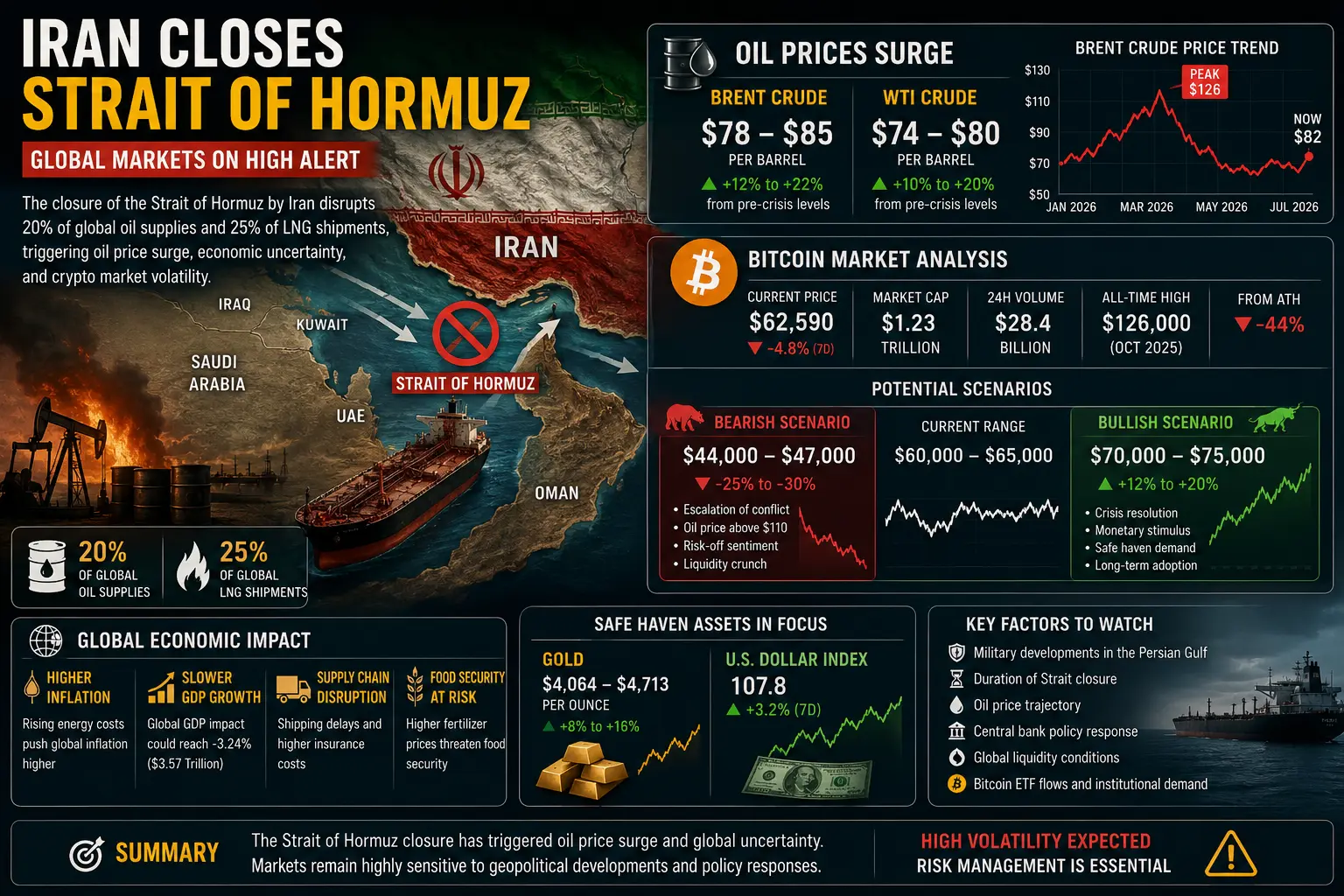
The recent volatility has been driven by multiple catalysts operating simultaneously. The nomination of a hawkish candidate for Federal Reserve chair strengthened the US dollar and triggered substantial profit-taking across precious metals. Additionally, the blockade of the Strait of Hormuz elevated oil prices above $100 per barrel, pushing March CPI to 3.3% year-over-year and creating inflationary pressures that complicated the monetary policy outlook. These developments have created a complex environment where traditional correlations between gold and other asset classes have shifted, requiring traders to adapt their analytical frameworks accordingly.
Key Technical Levels and Support Zones
Technical analysis reveals several critical price zones that CFD traders should incorporate into their strategic planning. The primary support zone currently sits between $4,500 and $4,514, with deeper support extending to $4,460 and $4,400. A decisive breakdown below the $4,400 threshold, which represents the intersection of the 200-day moving average and the October 2025 peak, would raise expectations for a decline toward $4,097.99, corresponding to the March 2026 low.
On the resistance side, immediate obstacles appear at $4,550 to $4,576, with stronger resistance clustered around $4,600 to $4,640. The major resistance zone between $4,575 and $4,580 has proven formidable, with gold showing consolidation near this area before recent declines. A sustained move above $4,600 would open pathways toward $4,660 and potentially retest the all-time high region above $5,500.
The Fibonacci retracement levels provide additional context for price action analysis. The 0.618 retracement level around $4,400 has emerged as a critical battleground, with price action suggesting that a full test of this level could complete the current corrective phase. The 0.5 retracement at approximately $3,245 represents a deeper correction target should the current support levels fail to hold.
Fundamental Drivers Shaping Gold Prices
Several structural forces continue supporting gold's long-term bullish trajectory despite near-term headwinds. Central bank purchasing remains robust, with strategic accumulation by monetary authorities providing consistent underlying demand. The World Gold Council has highlighted continued strategic central bank buying alongside potential new investment entrants, including insurance companies in China and pension funds in India, which could further support gold's positive trend even if the broader economic environment remains relatively benign.
Federal Reserve policy represents the most significant variable for gold pricing in the current environment. The relationship between interest rates and gold prices operates through multiple channels: higher real yields increase the opportunity cost of holding non-yielding assets like gold, while dollar strength inversely correlates with gold prices denominated in US currency. The current environment of elevated Treasury yields and sustained dollar strength has created headwinds, with markets rediscovering the concept of opportunity cost as gold's non-yielding characteristics become more prominent considerations.
Inflation expectations remain a crucial driver, with gold serving as a traditional hedge against purchasing power erosion. The March CPI reading of 3.3% year-over-year, combined with oil price volatility related to Middle East tensions, has maintained inflation concerns in market consciousness. However, the Federal Reserve's potential response to energy-driven inflation through interest rate increases has created uncertainty about the near-term trajectory.
CFD Trading Strategies for Gold Markets
For traders utilizing Contracts for Difference to access gold markets, several strategic approaches merit consideration based on current market conditions. Trend-following strategies have demonstrated particular effectiveness during 2025 and 2026, as gold exhibited strong directional moves that created favorable conditions for momentum-based systems. These approaches capitalize on the persistence of price trends once established, with proper risk management essential for navigating the volatility inherent in precious metals trading.
Range-bound strategies become relevant when price action consolidates within defined boundaries. The current environment, with gold testing critical support near $4,400 while facing resistance at $4,600, creates opportunities for traders who can identify valid range parameters. However, traders must remain vigilant for breakout signals that could invalidate range assumptions and trigger rapid price movements.
Breakout trading requires careful attention to volume confirmation and price action validation. False breakouts remain a significant risk in gold markets, particularly around psychologically important levels like $4,500 and $4,600. Traders should seek confirmation through multiple timeframes and consider the broader market context before committing to breakout positions.
Risk Management Considerations
Effective risk management assumes paramount importance when trading gold CFDs given the asset's inherent volatility. Position sizing should account for the potential for rapid price movements, with many analysts recommending that no single position exceed 2% of trading capital. Stop-loss placement requires careful consideration of technical levels, with adequate buffer zones to avoid being stopped out by normal market noise while maintaining protection against adverse moves.
Leverage amplification represents both the primary attraction and the greatest danger of CFD trading. While leverage can magnify returns, it equally amplifies losses. Conservative leverage ratios are advisable for gold trading, particularly during periods of heightened volatility when price gaps and slippage become more prevalent.
Correlation awareness extends beyond simply monitoring gold's relationship with the dollar and interest rates. Recent market dynamics have demonstrated shifting correlations between gold and other asset classes, including equities and cryptocurrencies. Understanding these relationships helps traders anticipate how gold might respond to broader market movements and economic developments.
Institutional Forecasts and Market Sentiment
Major financial institutions maintain generally constructive outlooks for gold despite recent price weakness. JPMorgan has adjusted its 2026 average price forecast to $5,243 per ounce from $5,708 previously, reflecting near-term cooling in investor interest while maintaining a base case bullish outlook that projects prices rising to $6,000 per troy ounce by year-end. The bank anticipates that a clear resolution to current geopolitical tensions would erode inflation tail risks and begin to unwind recent dollar strength, sparking a recovery rally toward $4,900 to $5,100 technical resistance.
UBS has similarly adjusted its forecast, lowering the year-end 2026 target from $5,900 to $5,500 per ounce while citing risks from elevated Treasury yields and sustained dollar strength. Nevertheless, the Swiss banking giant maintains that the updated calculus of risk, interest rate policy, inflation, and strong underlying demand will propel gold higher over the medium term.
Rockefeller Global Investment Management offers the most optimistic long-term perspective, with strategist Doug Moglia projecting gold could top $5,500 in 2027 and potentially reach $10,000 by 2030. This view is predicated on commodities reasserting themselves as portfolio diversifiers after years of being overlooked, with structural demand combining with constrained supply across the commodity complex. Moglia characterizes the current bull market as comparable to major regime shifts observed over the last 50 years, suggesting the secular uptrend remains intact despite recent volatility.
Practical Trading Recommendations
For CFD traders seeking to capitalize on gold market opportunities, several practical recommendations emerge from current analysis. Long-term position traders might consider accumulating positions on weakness, using the $4,400 to $4,500 support zone as a potential entry area with stops placed below $4,350 to protect against deeper corrections. Target levels for such positions could extend toward $5,000 and ultimately $5,500 based on institutional forecasts.
Short-term traders might focus on the range between $4,400 support and $4,600 resistance, looking for reversal signals at range extremes while maintaining strict stop-loss discipline. Breakout traders should await confirmed moves above $4,600 or below $4,400 with volume confirmation before committing to directional positions.
Risk-off hedging strategies utilizing gold CFDs remain relevant for portfolio managers concerned about equity market volatility or currency depreciation. The precious metal's historical role as a safe haven asset, combined with its current technical positioning near major support, creates favorable conditions for defensive positioning.
Conclusion
The gold market presents a complex but potentially rewarding environment for CFD traders willing to navigate its inherent volatility. Current price action near $4,540 per ounce reflects a market at a potential inflection point, with critical support at $4,400 and resistance at $4,600 defining the near-term trading range. Fundamental drivers including Federal Reserve policy, inflation expectations, central bank demand, and geopolitical developments will continue shaping price action throughout 2026.
Despite near-term headwinds from dollar strength and elevated yields, the structural bull market in gold appears intact according to major institutional forecasts. Traders should maintain flexible strategies that can adapt to changing market conditions while implementing rigorous risk management protocols appropriate for the volatility characteristics of precious metals trading. The convergence of technical support levels, fundamental demand drivers, and long-term institutional bullishness creates a compelling case for continued attention to gold CFD opportunities in the current market environment.@Gate_Square @Gate广场_Official
repost-content-media
  • Reward
  • 1
  • Repost
  • Share
HighAmbition:
2026 GOGOGO 👊
#DailyPolymarketHotspot
Bitcoin Price Analysis 2026: The Battle Between $90,000 and $BTC
Bitcoin stands at a critical macro and technical junction in 2026, with market participants split between continuation toward $90,000 or a deeper corrective move toward $55,000. As of late May 2026, BTC trades in the $74,000–$77,000 range after volatile swings between $70,000 and $81,000. The current phase reflects consolidation after strong institutional-driven movements earlier in the year.
This analysis combines technical structure, on-chain signals, institutional flows, and Polymarket prediction data
BTC-0.29%
HighAmbition
#DailyPolymarketHotspot
Bitcoin Price Analysis 2026: The Battle Between $90,000 and $BTC
Bitcoin stands at a critical macro and technical junction in 2026, with market participants split between continuation toward $90,000 or a deeper corrective move toward $55,000. As of late May 2026, BTC trades in the $74,000–$77,000 range after volatile swings between $70,000 and $81,000. The current phase reflects consolidation after strong institutional-driven movements earlier in the year.
This analysis combines technical structure, on-chain signals, institutional flows, and Polymarket prediction data, which reflects real-money sentiment from global traders.
Current Technical Structure and Market Levels
Bitcoin’s price structure remains defined by a broad trend channel. Immediate support is located at $74,000–$76,000, followed by a stronger demand zone near $72,000. Below this, liquidity pockets extend toward $70,000 and $65,000.
On the upside, resistance begins at $78,400, followed by key psychological levels at $80,000, $81,500, and $84,500. The $90,000 region represents a major macro resistance zone aligned with long-term moving averages and previous distribution areas.
BTC continues to trade within a compression phase inside a descending channel. A breakout above $84,500 would confirm bullish continuation toward $90,000, while a breakdown below $74,000 would shift momentum toward deeper retracement levels.
The Bullish Case for $90,000
The bullish outlook is primarily driven by institutional adoption through spot Bitcoin ETFs. Total cumulative inflows now exceed $56.5 billion, with daily demand significantly outpacing mined supply. This structural imbalance continues to support long-term price appreciation.
Major financial institutions such as BlackRock, Fidelity, and Morgan Stanley are expanding exposure to Bitcoin-related products, reinforcing long-term legitimacy. Regulatory clarity in the U.S. and increasing government-level interest in digital asset frameworks further strengthens the adoption narrative.
From a macro perspective, Bitcoin is increasingly viewed as a strategic reserve asset and inflation hedge. Some institutional forecasts extend targets toward $120,000–$150,000, making $90,000 a mid-cycle milestone rather than a peak.
The Bearish Case for $55,000
Despite bullish structural adoption, on-chain metrics suggest caution. The MVRV Z-score has not yet entered historically confirmed bear market bottom zones, indicating that full-cycle reset conditions may not yet be complete.
CryptoQuant data also highlights weakening spot demand during recent rallies, with futures-driven momentum dominating price action. This creates a fragile structure where price gains may not be fully supported by organic accumulation.
Mining economics add further pressure, with average production costs near $68,000 per BTC. In adverse conditions, miner distribution could accelerate downside volatility.
If ETF inflows slow or macro liquidity tightens, Bitcoin could enter a corrective phase targeting $60,000–$55,000 as a cyclical reset zone.
Trader Psychology and Market Behavior
Market sentiment remains cautiously neutral.
Unlike previous cycle tops, there is no extreme greed phase, suggesting that retail euphoria has not fully entered the market.
Price discovery is increasingly concentrated during ETF trading hours, indicating institutional dominance in flow-driven movement. Retail participation remains relatively subdued.
This environment typically produces extended consolidation phases before major directional expansion.
Support and Resistance Dynamics
Key levels define the current battlefield:
Support: $74,000–$76,000
Weak breakdown zone: $72,000
Critical breakdown trigger: $70,000
Bear extension targets: $65,000–$55,000
Resistance structure:
$78,400: First major rejection zone
$80,000: Psychological barrier
$81,500: Channel resistance
$84,500: Macro breakout level
$90,000: Major cycle target
A confirmed breakout above $84,500 would shift momentum strongly toward bullish continuation.
Polymarket Prediction Market Insights
According to Polymarket prediction markets, which aggregate real-money trader sentiment:
Market assigns significant probability to BTC remaining in a wide range during 2026
There is meaningful conviction toward both upside (> $90,000) and downside (< $55,000) scenarios
Short-term pricing shows BTC expected to remain mostly above $74,000 in the near term range
Probability distribution reflects uncertainty rather than directional certainty
Polymarket data highlights a key theme: Bitcoin is currently perceived as a range-bound high-volatility asset rather than a trending one in the short term.
This divergence between bullish long-term institutional forecasts and cautious short-term prediction market pricing creates a structurally balanced outlook.
Macro and External Drivers
Several macro factors will influence direction:
U.S. Federal Reserve policy and interest rate expectations
Inflation trajectory and real yield movements
ETF flow stability or reversal
Geopolitical risk and global liquidity conditions
Any tightening liquidity environment could accelerate downside pressure, while renewed inflows could trigger breakout momentum.
Conclusion and Outlook
Bitcoin in 2026 is positioned between two macro extremes:
Bull case: ETF-driven expansion toward $90,000 and beyond
Bear case: Cyclical reset toward $55,000–$60,000
The immediate battlefield remains $74,000–$76,000 support. Sustained strength above $80,000 increases probability of breakout toward $90,000. A breakdown below $74,000 would open the path toward deeper correction zones.
Polymarket sentiment reflects this uncertainty clearly, showing a balanced probability distribution rather than a one-sided trend, reinforcing the idea that Bitcoin is in a transition phase rather than a clear directional cycle.
repost-content-media
  • Reward
  • 1
  • Repost
  • Share
HighAmbition:
good information 👍👍
#TradFi交易分享挑战
#MU,
Micron Technology is trading at approximately $965.50 as of May 31, 2026, sitting near its all-time high after a staggering rally that has seen shares surge 902.4 percent over the trailing year and 163.25 percent year to date. On May 29, the stock jumped 5.14 percent from $923.52 to $971.00, with intraday swings between a low of $940.69 and a high of $981.00. Volume spiked by 11 million additional shares compared to the prior session, a bullish technical signal confirming the breakout. Micron has now crossed the $1 trillion market capitalization threshold, with approximate
HighAmbition
#TradFi交易分享挑战
#MU,
Micron Technology is trading at approximately $965.50 as of May 31, 2026, sitting near its all-time high after a staggering rally that has seen shares surge 902.4 percent over the trailing year and 163.25 percent year to date. On May 29, the stock jumped 5.14 percent from $923.52 to $971.00, with intraday swings between a low of $940.69 and a high of $981.00. Volume spiked by 11 million additional shares compared to the prior session, a bullish technical signal confirming the breakout. Micron has now crossed the $1 trillion market capitalization threshold, with approximately 1.12 billion shares outstanding pushing valuation just above $1 trillion. The stock currently trades at a fresh all-time high with zero percent drawdown from its peak, a remarkable position for a company that was considered a cyclical memory laggard just twelve months ago.
SUPPORT LINE — KEY FLOOR LEVELS
The immediate support shelf is forming in the low $900s. The daily pivot support level S1 sits at $902.37, which is the first meaningful floor if price pulls back from current levels. Below that, the Bollinger Band midline on the shorter timeframe rests at $914.02, while the lower Bollinger Band on that same timeframe comes in at $875.82 — marking the second critical support zone. On the wider Bollinger configuration, the lower band sits much deeper at $507.08, but that level represents an extreme outlier rather than a realistic near-term support. The broken short-term trend line now acts as support at $892.02, providing a "second chance" entry zone for traders who missed the initial breakout. A deeper structural support level exists at $874.48, which was the previous consolidation floor before the most recent surge. Further down, the $713.45 level marks a significant intermediate support from earlier in the year, and $424.86 represents the 30-day range low from just a month ago — showing how explosive this rally has been. The critical psychological support sits at $900, where any breach would signal a shift from short-term consolidation to a deeper correction.
RESISTANCE LINE — KEY CEILING LEVELS
Immediate resistance is clustered in the $947 to $950 zone, which has repeatedly acted as a ceiling where momentum has cooled. The daily pivot resistance R1 prints at $947.08, nearly identical to the Bollinger upper band at $950.46 on the wider configuration and $952.22 on the tighter timeframe. Price has already touched $981.00 intraday on May 29, so the next resistance frontier sits at $982.34, a level that has been breached but not yet held as support. Beyond that, the $991.61 level represents the optimistic 12-month analyst scenario ceiling, and psychological resistance at $1,000 per share will be a significant milestone if reached. The Melius Research analyst target of $1,100 stands as the most aggressive institutional projection on the board, representing approximately 13.9 percent upside from the current $965.50 price.
BULLISH SCENARIO — WHY MU COULD KEEP CLIMBING
The bullish thesis for Micron is rooted in a structural transformation of the memory industry driven by AI infrastructure demand. Micron delivered Q2 FY2026 revenue of $23.86 billion, a 196 percent year-over-year surge, with adjusted EPS of $12.20 that comfortably exceeded consensus. The Cloud Memory Business Unit alone hit $7.75 billion, rising more than 160 percent, with HBM gross margins exceeding 66 percent. Q3 FY2026 guidance points to EPS of approximately $8.42 with 68 percent gross margins, suggesting the profitability trajectory is still accelerating. Micron is building two massive fabrication campuses in Idaho and New York, with initial production expected by mid-2027, ensuring long-term supply expansion to meet hyperscaler demand. Strategic Customer Agreements with multi-year commitments provide revenue visibility never before seen in the memory cycle. The 5-year bullish target of $1,250 by 2031 requires HBM margins above 60 percent, fiscal 2027 EPS exceeding $20, and sustained hyperscaler capital expenditure — conditions that appear achievable given current trajectory. From a technical standpoint, MU holds buy signals from both short-term and long-term moving averages. The MACD remains bullish with strong upward momentum, and the primary trend is decisively higher, extended above all medium and long-term averages. The 39 Buy ratings and only 5 Hold ratings from 44 covering analysts, with zero Sell ratings, confirm overwhelming institutional bullish consensus. Mizuho recently raised its target from $740 to $800, while Melius Research upgraded from $700 to $1,100, both maintaining Buy/Outperform ratings. In the bullish route, a trader should look for entries near $900 to $905 support, with targets at $950, $982, and then $1,000. Position sizing should account for the overbought RSI condition, meaning smaller initial positions with add-on entries at support tests rather than aggressive buying at current all-time highs.
BEARISH SCENARIO — RISKS THAT COULD DERAIL THE RALLY
The bearish case demands serious attention despite the euphoric momentum. The RSI is flashing overbought conditions, which historically precedes pullbacks in MU even during strong uptrends. Bollinger Band placement shows price settling just beneath the upper band at $950.46, a zone where reversals are statistically common. The 247 Wall St proprietary model sets a 12-month target of $522.29, implying 46.21 percent downside from current levels — a stark warning that valuations may be stretched. Their conservative scenario floor sits at $473.74, representing a potential 51.2 percent decline. The most critical structural risk identified by analysts is memory efficiency: if AI labs develop dramatically more memory-efficient model architectures, the exponential HBM demand curve could flatten or even shrink, undermining Micron's margin structure. The memory industry remains cyclical at its core; every previous boom has eventually ended in oversupply and pricing collapse. Micron's $25 billion capital expenditure plan, while necessary for growth, also increases supply capacity that could eventually pressure prices. The company's decision to exit the consumer segment, while strategically sound for focusing on data center revenue, removes a diversification buffer. Any slowdown in hyperscaler spending — whether from macroeconomic recession, interest rate shifts, or AI deployment fatigue — would directly impact Micron's highest-margin revenue stream. Geopolitical risks around China restrictions and CHIPS Act dependency add policy uncertainty. In the bearish route, a trader should set stop-losses below $874, with secondary stops under $892. Any close below $900 on a daily basis would signal the bullish structure is cracking, and a move below $875 would confirm a deeper correction toward $713 or even $507 on extreme downside.
FORECAST PRICE — WHERE MU IS HEADINEXT
Near-term price action over the next 5 to 10 trading sessions is likely to remain choppy between $900 and $982 as the market digests the overbought condition and the $1 trillion valuation milestone. The machine learning consensus from multiple AI models projects a range of $850 to $900 for the next 25 days based on current momentum trends, though this was formulated before the May 29 breakout above $970. A more realistic near-term range is $905 to $980, with the $947 to $950 zone serving as the central pivot where price will likely oscillate. For the June 24 Q3 FY2026 earnings report, if Micron delivers another blowout quarter matching the $8.42 EPS guidance with 68 percent gross margins, price could decisively break above $1,000 and target the $1,100 Melius projection. Conversely, any guidance disappointment or margin compression could trigger a swift retracement to the $875 to $900 support cluster. Over the next 12 months, the analyst consensus range spans from $473 on the conservative end to $991 on the optimistic end, with the median base case around $800 to $850. The 5-year horizon targets $1,250 under the bullish structural AI demand thesis, but bears point to potential cyclical mean-reversion that could pull MU back below $500 if the memory super-cycle ends.
TRADING STRATEGY — ACTIONABLE PLAN FOR TRADERS
For traders looking to participate in MU from the current $965.50 level, the prudent approach is a phased entry strategy rather than an all-in position at all-time highs. Phase one should involve a modest initial position of 25 to 30 percent of intended allocation at current levels between $960 and $970, with a tight stop at $892. Phase two adds another 25 to 30 percent if price pulls back to the $900 to $905 support shelf and holds, with the stop moved to $874. Phase three deploys the remaining 40 to 50 percent only after a confirmed breakout above $982 resistance with volume confirmation, targeting $1,000 and then $1,050 to $1,100. For existing holders, the strategy is to hold core positions with stops at $875, while trimming 15 to 20 percent of position size near $980 to $982 resistance to lock in profits. The trimmed portion can be re-entered at support tests at $905 or $900. Swing traders should focus on the $900 to $982 range, buying near $902 to $905 and selling near $947 to $950, with two to three day holding periods. Options traders should note the heavy call activity: a $75,000 call spread bet was placed targeting further upside, and the $1,035 strike calls are active, suggesting institutional sentiment remains skewed toward continuation. The key catalyst to watch is the June 24 Q3 earnings report — this will either confirm the bullish trajectory toward $1,000 plus or expose cracks that could send price back toward $800. Risk management must account for the overbought RSI, the Bollinger upper band proximity, and the 902 percent trailing year gain that makes MU vulnerable to any sentiment shift.
WHAT COMES NEXT — THE ROAD AHEAD
Micron stands at an inflection point where the AI memory super-cycle thesis is being tested against cyclical reality. The next three months will determine whether the $1 trillion valuation is justified or overextended. Earnings on June 24 is the single most important catalyst: guidance for Q4 FY2026 will signal whether HBM demand continues accelerating or plateauing. The Idaho fab timeline, HBM4 development progress, and Strategic Customer Agreement renewals will shape the medium-term narrative. If everything aligns — continued hyperscaler spending, HBM margins above 60 percent, and supply constraints persisting — MU could reach $1,100 to $1,250 within 12 to 18 months. If any pillar cracks, the correction could be swift and severe, potentially retracing 40 to 50 percent toward the $473 to $522 zone. The trader's route today is cautiously bullish with disciplined risk management: respect the overbought condition, enter in phases at support, and prepare for volatility between $875 and $1,000 until the next earnings report provides directional clarity.
repost-content-media
  • Reward
  • 1
  • Repost
  • Share
HighAmbition:
2026 GOGOGO 👊
#TradFi交易分享挑战
#TSM
TSMC is currently trading at approximately $418.70 as of late May 2026, reflecting one of the strongest rallies in the semiconductor sector over the past year. The stock has gained roughly 45 to 50 percent from its early 2025 levels, continuing strong momentum into 2026 with minimal signs of structural weakness. The market capitalization stands at approximately $2.14 trillion, making TSMC one of the most valuable companies globally and the undisputed leader in semiconductor foundry services. The price-to-earnings ratio is around 34.40, while the PEG ratio is approximately
TSM-1.02%
NVDA-0.68%
AMD-0.55%
QCOM3.28%
HighAmbition
#TradFi交易分享挑战
#TSM
TSMC is currently trading at approximately $418.70 as of late May 2026, reflecting one of the strongest rallies in the semiconductor sector over the past year. The stock has gained roughly 45 to 50 percent from its early 2025 levels, continuing strong momentum into 2026 with minimal signs of structural weakness. The market capitalization stands at approximately $2.14 trillion, making TSMC one of the most valuable companies globally and the undisputed leader in semiconductor foundry services. The price-to-earnings ratio is around 34.40, while the PEG ratio is approximately 1.18, indicating that the valuation is supported by strong earnings growth. The beta of 1.39 highlights above-average volatility compared to the broader market.
Q1 2026 Earnings and Financial Momentum
TSMC delivered exceptional Q1 2026 results. Revenue reached $35.7 billion, showing approximately 35 percent year-over-year growth. Net income surged 58 percent to about $18 billion, marking eight consecutive quarters of double-digit earnings expansion. This consistency reflects structural demand rather than short-term cycles, largely driven by AI infrastructure growth.
Following these results, management raised full-year 2026 revenue guidance to around 30 percent growth. Q2 revenue guidance of $39 billion to $40.2 billion signals continued strong demand. Capital expenditure is expected to reach $52 to $56 billion, confirming aggressive investment in advanced manufacturing capacity.
AI Demand as the Core Growth Driver
Artificial intelligence remains the central driver of TSMC’s growth. The company manufactures advanced chips for NVIDIA, Apple, AMD, Qualcomm, and Broadcom, among others. With over 90 percent of advanced semiconductors produced by TSMC, the company holds an irreplaceable position in the global supply chain.
This dominance provides strong pricing power and deep customer dependency. AI-related demand continues to fuel revenue expansion, and all major forecasts assume sustained growth through 2026 and beyond. TSMC’s role in enabling global AI infrastructure makes it a core beneficiary of the ongoing technology cycle.
Analyst Forecasts and Price Targets
Analyst consensus remains positive. The average 12-month target for TSM is approximately $467.84, with a high estimate near $600 and a low estimate around $303. Some near-term forecasts place the stock around $431, suggesting moderate upside from current levels.
Broker updates from major institutions maintain Buy and Overweight ratings, reflecting confidence in continued earnings growth. Overall sentiment suggests TSMC remains a high-quality long-term growth stock, with upside potential depending on AI demand trends and macro conditions.
Trading Strategy for Existing Holders
For investors already holding TSM at $418.70, the long-term outlook remains strong. The combination of 30 percent revenue growth, sustained earnings expansion, and rising dividends supports a hold strategy.
Accumulating on dips of 5 to 10 percent, especially near $375 to $395, may improve long-term returns. The $400 level has repeatedly acted as psychological support. On the upside, the $440 to $460 range is a realistic near-term target, while partial profit-taking can be considered in the $460 to $480 zone.
Trading Strategy for New Entrants
For new positions, entry at current levels offers reasonable but not optimal risk-reward. A better entry zone lies between $395 and $400, where previous support has consistently held.
If entering at current levels, position sizing should remain moderate due to volatility. A stop-loss range of $385 to $390 can help manage downside risk while allowing room for normal market fluctuations.
Medium-Term Outlook
The average analyst target of $467.84 suggests roughly 11 percent upside over the next 12 months. Bullish scenarios reaching $600 require sustained AI expansion and favorable global conditions, while bearish scenarios near $303 assume major demand or macro disruption.
The most likely trajectory remains a gradual move toward $440 to $470, with intermittent pullbacks creating accumulation opportunities.
The primary risk for TSMC is geopolitical uncertainty related to Taiwan. Any escalation in regional tensions could significantly impact semiconductor supply chains and global pricing. Additionally, a slowdown in AI spending or reduced demand from major customers could affect growth momentum.
Other risks include global trade policy changes, supply chain concentration, and rising capital expenditure requirements. Despite strong financial performance, these structural risks remain important considerations.
Dividend and Capital Returns
TSMC has increased its quarterly dividend to $1.1136 per ADR share, representing a yield of approximately 1.07 percent. While not a high-yield stock, dividend growth reflects strong cash flow generation and financial discipline.
The combination of earnings growth, capital appreciation, and dividend increases makes TSMC attractive for long-term total return investors.
TSMC remains a high-quality growth leader in the global semiconductor industry. Strong AI-driven demand, expanding revenues, and robust earnings growth support a positive long-term outlook. While volatility and geopolitical risks remain, the overall trend continues to favor gradual upside with periodic corrections offering strategic entry points.@Gate_Square @Gate广场_Official
repost-content-media
  • Reward
  • 1
  • Repost
  • Share
HighAmbition:
good information 👍
#WinGoldBarsWithGrowthPoints
As competition among cryptocurrency exchanges continues to intensify, platforms are increasingly introducing innovative reward programs to attract and retain users. One of the latest initiatives drawing attention is Gate.io's "Win Gold Bars With Growth Points" campaign. This event combines user engagement, platform participation, and premium rewards into a single ecosystem where active users can accumulate Growth Points and qualify for the opportunity to win physical gold bars.
The campaign represents more than a simple promotional event. It reflects a broader ind
HighAmbition
#WinGoldBarsWithGrowthPoints
As competition among cryptocurrency exchanges continues to intensify, platforms are increasingly introducing innovative reward programs to attract and retain users. One of the latest initiatives drawing attention is Gate.io's "Win Gold Bars With Growth Points" campaign. This event combines user engagement, platform participation, and premium rewards into a single ecosystem where active users can accumulate Growth Points and qualify for the opportunity to win physical gold bars.
The campaign represents more than a simple promotional event. It reflects a broader industry trend in which exchanges are rewarding users not only for trading activity but also for their overall participation within the platform ecosystem. By linking Growth Points to valuable rewards, Gate.io aims to strengthen community engagement while creating additional incentives for users to explore various platform features.
What Is the "Win Gold Bars With Growth Points" Campaign?
The campaign is built around a point-based participation model. Users earn Growth Points by completing eligible activities on Gate.io. These points serve as a measurement of user engagement and activity throughout the event period.
Rather than relying solely on trading volume, the campaign encourages broader participation across multiple platform services. As users accumulate more Growth Points, they increase their eligibility for rewards and improve their chances of securing premium prizes, including physical gold bars.
This approach transforms routine platform activity into a reward-generating opportunity, making participation more engaging and potentially more rewarding.
Understanding Growth Points
Growth Points function as a loyalty and participation metric within the campaign.
Users may accumulate points through various activities, including:
Trading Activity
Regular participation in cryptocurrency markets may contribute toward Growth Point accumulation.
Event Participation
Special promotions, competitions, and platform campaigns often provide additional opportunities to earn points.
Ecosystem Engagement
Interacting with various Gate.io products and services may contribute to overall Growth Point totals.
Milestone Achievement
Users who reach specific participation goals may receive additional Growth Point rewards.
The objective is to encourage consistent engagement rather than short-term activity spikes.
Why Gold Bars Are the Featured Reward
Gold remains one of the most recognized stores of value in the global financial system. For centuries, investors have viewed gold as a symbol of wealth preservation, financial security, and long-term stability.
By choosing gold bars as a reward, Gate.io introduces an asset that possesses universal appeal. Unlike digital coupons, temporary discounts, or standard promotional gifts, physical gold carries intrinsic value and broad recognition.
This creates a powerful incentive structure because participants are competing for an asset that is respected across both traditional finance and modern investment markets.
The Strategic Purpose Behind the Campaign
The event serves several strategic objectives for Gate.io.
Increasing User Engagement
Reward programs encourage users to remain active on the platform over extended periods. The Growth Point system creates ongoing motivation because every eligible activity contributes toward potential rewards.
Strengthening User Retention
When users actively participate in a points-based ecosystem, they often remain engaged longer. This helps build stronger relationships between the platform and its community.
Expanding Ecosystem Awareness
Many users initially focus on a limited number of platform features. Campaigns like this encourage participants to explore additional products and services they may not have previously considered.
Building Community Activity
Reward-focused campaigns often generate increased discussion, participation, and interaction among users, strengthening the overall community environment.
Benefits for Participants
Opportunity to Earn Premium Rewards
The most obvious attraction is the possibility of winning physical gold bars while engaging in activities users may already be performing on the platform.
Enhanced User Experience
The campaign adds an element of progression and achievement. Users can track their Growth Points and monitor their advancement throughout the event.
Increased Motivation
The prospect of valuable rewards encourages users to participate more actively and consistently.
Greater Ecosystem Familiarity
As participants engage with different features and services, they often develop a broader understanding of the platform's capabilities.
Impact on the Cryptocurrency Industry
The "Win Gold Bars With Growth Points" campaign reflects a larger transformation occurring throughout the digital asset sector.
Cryptocurrency exchanges are evolving from simple trading venues into comprehensive financial ecosystems. Modern platforms increasingly focus on:
Community building
User engagement
Reward programs
Educational initiatives
Ecosystem participation
This evolution helps create stronger and more sustainable user communities while differentiating platforms in a highly competitive market.
The inclusion of gold as a reward is particularly significant because it bridges traditional stores of value with modern digital asset platforms. This combination highlights the growing convergence between traditional finance and the cryptocurrency industry.
Potential Market Effects
Although promotional campaigns do not directly determine market direction, they can contribute to higher platform activity levels.
Increased participation may lead to:
Greater user engagement.
Higher ecosystem activity.
Expanded community interaction.
Improved platform visibility.
Increased awareness of digital asset opportunities.
Events that successfully attract attention often contribute to stronger platform growth over time.
Important Considerations for Participants
Before joining any promotional campaign, users should carefully review:
Official Event Rules
Understanding the campaign structure is essential for informed participation.
Eligibility Requirements
Participants should confirm they meet all participation criteria.
Reward Distribution Procedures
Knowing how rewards are allocated helps users understand the campaign process.
Point Calculation Methods
Users should understand how Growth Points are earned and measured.
Event Timelines
Monitoring important dates ensures participants do not miss key opportunities.
Careful review of official information allows users to maximize potential benefits throughout the campaign.
Future Outlook
Reward-driven ecosystems are becoming increasingly important within the cryptocurrency industry. As competition among exchanges continues to grow, platforms are likely to introduce more sophisticated campaigns that combine engagement, education, participation, and valuable incentives.
The success of initiatives such as Gate.io's "Win Gold Bars With Growth Points" campaign demonstrates that users are attracted to reward structures that provide both excitement and tangible value.
As digital asset adoption expands globally, promotional programs that combine traditional assets like gold with cryptocurrency platforms may become even more common, creating new opportunities for user engagement across the industry.
Gate.io's "Win Gold Bars With Growth Points" campaign is more than a standard promotional event. It represents a strategic effort to increase user participation, strengthen ecosystem engagement, and reward community activity through a structured Growth Point system. By offering physical gold bars as prizes, the platform combines the innovation of the cryptocurrency sector with one of the world's most trusted assets.
For users, the campaign provides an opportunity to transform routine platform activity into potential rewards. For Gate.io, it helps build a more active and engaged ecosystem. As reward-driven participation models continue to evolve, campaigns like this highlight the growing importance of community engagement in shaping the future of the digital asset industry.@Gate_Square @Gate广场_Official
repost-content-media
  • Reward
  • 1
  • Repost
  • Share
HighAmbition:
good information 👍👍👍
#TradFi交易分享挑战
#JNJ
Johnson & Johnson (JNJ) is currently trading around $225.21 (May 31, 2026), reflecting moderate stability after a strong multi-month rally. Over the past year, the stock has gained approximately 7.86%, supported by strong healthcare sector demand and consistent institutional inflows.
The stock’s 52-week range shows significant movement:
Low: $149.04
High: $251.60
This indicates a strong recovery phase of over 50% from yearly lows, highlighting resilience in defensive healthcare equities.
JNJ’s market capitalization exceeds $426 billion, making it one of the largest healthc
JNJ-2.34%
HighAmbition
#TradFi交易分享挑战
#JNJ
Johnson & Johnson (JNJ) is currently trading around $225.21 (May 31, 2026), reflecting moderate stability after a strong multi-month rally. Over the past year, the stock has gained approximately 7.86%, supported by strong healthcare sector demand and consistent institutional inflows.
The stock’s 52-week range shows significant movement:
Low: $149.04
High: $251.60
This indicates a strong recovery phase of over 50% from yearly lows, highlighting resilience in defensive healthcare equities.
JNJ’s market capitalization exceeds $426 billion, making it one of the largest healthcare companies globally. The company maintains a stable dividend structure with an annual payout of $5.20 per share, offering a yield of approximately 2.94%, which continues to attract long-term income-focused investors.
Recently, the stock corrected about 10% from its all-time high of $251.43 (March 2026), entering a consolidation phase where both buyers and sellers are actively testing key technical levels.
Support and Resistance Structure
Technical levels play a crucial role in understanding JNJ’s current market positioning.
Support Levels:
$222.78 – Immediate support zone
$220.22 – Secondary short-term floor
$200.00 – Major structural support
$190–$186 – Deep correction zone (critical demand area)
A break below $220 could trigger additional downside pressure toward the $200 psychological level, where stronger institutional buying interest is expected.
Resistance Levels:
$229.69 – Immediate resistance
$231–$234 – Short-term supply zone
$251–$252 – Major all-time high resistance
The pivot level at $228.17 defines the short-term trend bias. Trading above this level leans bullish, while staying below it suggests continued consolidation or mild bearish pressure.
Technical Indicators and Price Action Analysis
The technical structure of JNJ shows a mixed but stabilizing trend environment.
50-day SMA: ~$232.75 (price currently below → short-term bearish pressure)
200-day SMA: ~$175–$180 (still far below → long-term bullish structure intact)
This configuration indicates that while short-term momentum is weak, the broader uptrend remains valid.
RSI (14-day):
Around 25–28, indicating oversold conditions
Such levels historically suggest exhaustion in selling pressure, increasing probability of a technical bounce. However, oversold conditions can persist in strong corrective phases, so confirmation is required.
MACD:
Negative crossover confirmed
Indicates bearish momentum in the short term
Volume Behavior:
Trading activity shows controlled distribution rather than panic selling, suggesting that institutional investors are gradually repositioning rather than exiting aggressively.
2026 Forecast Outlook
Short-Term Phase (June–August 2026)
The next few months are expected to remain volatile with mild downside pressure:
June: $200 – $246 range (slight weakness)
July: $190 – $241 range (deeper correction phase)
August: $186 – $218 range (potential bottoming zone)
This period is considered a correction and accumulation window, where long-term investors may gradually build positions.
Recovery Phase (September–December 2026)
The second half of the year shows a strong recovery projection:
September: ~$221 (recovery begins)
October: ~$243 (bullish acceleration)
November: ~$245 (consolidation with upward bias)
December: $267 target (strong year-end rally)
Year-End Projection:
Maximum forecast range: $267–$288
Upside potential from current price: ~20% to 27%
This suggests that weakness in mid-year may represent a setup phase for a strong Q4 rally.
Analyst Consensus and Institutional Sentiment
Wall Street remains broadly positive on JNJ.
Analyst Breakdown:
Buy ratings: 20 out of 27 analysts
Hold ratings: 7 analysts
Sell ratings: 0
Price Targets:
Average target: $239 – $252
High-end targets:
HSBC: $280
Goldman Sachs: $275
Citi: $285
RBC: $265
Even conservative estimates remain above current levels, indicating steady institutional confidence.
Fundamental Strength (Q1 2026 Earnings)
JNJ delivered strong operational performance in Q1 2026:
Revenue: $24.06B (+9.9% YoY)
Adjusted EPS: $2.70 (slight beat)
Full-year revenue guidance: $99.7B – $100.7B
EPS guidance: $11.43 – $11.63
Growth drivers:
Innovative Medicine: +11.2%
MedTech: +7.7%
Despite litigation-related noise (talc exposure provisions), core business performance remains strong and stable.
The company is approaching a $100 billion revenue milestone, reinforcing its position as a global healthcare leader.
Trading Strategy Framework
1. Short-Term Swing Strategy
Entry: $220 – $222
Target: $228 – $232
Stop-loss: Below $200
Logic: Oversold RSI bounce setup
2. Medium-Term Strategy
Accumulation zone: $190 – $210
Target: $243 – $267
Approach: Gradual accumulation during correction phase
3. Long-Term Investment Strategy
Strong dividend yield (~2.94%)
Defensive healthcare exposure
Stable earnings growth
Pipeline expansion in pharma and MedTech
JNJ remains a core long-term portfolio stock for stability and income generation.
Risk Factors
Key risks include:
Ongoing talc litigation uncertainty
Biosimilar competition (STELARA erosion)
Generic pressure on key drugs (OPSUMIT, SIMPONI)
Macro risk from interest rate changes
Critical Levels:
Warning zone: Below $200
Breakdown zone: Below $186
A sustained break below these levels could invalidate the bullish recovery outlook.
Upside vs Downside Scenarios
Bullish Case:
Target range: $267 – $288
Driven by earnings growth, recovery momentum, and healthcare stability
Bearish Case:
Short-term downside: $190 – $200
Extreme downside risk: $186
However, even bearish scenarios suggest eventual recovery rather than structural collapse.
JNJ is currently in a healthy long-term uptrend with a short-term corrective phase. Oversold technical indicators suggest potential stabilization, while fundamentals remain strong.
Market structure suggests:
Short-term volatility and consolidation
Mid-year accumulation opportunity
Strong Q4 recovery potential
Overall, JNJ remains a defensive growth and dividend hybrid stock, with projected upside toward $260–$280+ in 2026 under normal market conditions.@Gate_Square @Gate广场_Official
repost-content-media
  • Reward
  • 6
  • Repost
  • Share
HighAmbition:
good information 👍👍
View More
#TradFi交易分享挑战
#mrna
Moderna Inc is trading at approximately $47.19 (May 31, 2026) with a market capitalization of around $18.7 billion. The stock has traded within a wide 52-week range of $22.28 to $59.55, reflecting high volatility typical of biotech equities.
From its low, the stock has gained over 110%, but remains about 20% below its yearly high, showing a recovery phase followed by consolidation. Average daily volume is around 6.3 million shares, indicating steady liquidity. Year-to-date 2026 performance is slightly positive, driven by improved earnings trends and pipeline optimism, alt
MRNA-0.14%
HighAmbition
#TradFi交易分享挑战
#mrna
Moderna Inc is trading at approximately $47.19 (May 31, 2026) with a market capitalization of around $18.7 billion. The stock has traded within a wide 52-week range of $22.28 to $59.55, reflecting high volatility typical of biotech equities.
From its low, the stock has gained over 110%, but remains about 20% below its yearly high, showing a recovery phase followed by consolidation. Average daily volume is around 6.3 million shares, indicating steady liquidity. Year-to-date 2026 performance is slightly positive, driven by improved earnings trends and pipeline optimism, although recent price action shows rejection near the $50 level.
Technical Analysis Overview
Moderna shows a mixed technical structure, with short-term weakness and long-term stability.
Moving Averages
8-day SMA: ~$47.17 (neutral)
8-day EMA: ~$47.61 (slightly bearish)
20-day SMA: ~$48.61 (bearish)
50-day SMA: ~$50.17 (bearish trend)
200-day SMA: ~$37.48 (long-term bullish support)
Price is currently below short- and mid-term averages but above long-term averages, indicating consolidation inside a broader uptrend.
Momentum Indicators
MACD: -0.87 (bearish momentum)
RSI (14): 44.34 (neutral-to-weak, not oversold)
RSI below 50 shows bearish pressure, but not extreme conditions. MACD confirms short-term downward momentum.
Bollinger Bands
25-period range: $46.09 – $50.75
100-period range: $43.00 – $53.58
Price is near the lower half of bands, suggesting weak momentum but potential bounce zone near $43–$46 support.
Support and Resistance Levels
Key Support
$46.09 (immediate support)
$43.00 (strong structural support)
$37.48 (200-day SMA long-term base)
$34.50 (deep correction zone)
$22.28 (52-week low)
Key Resistance
$48.99 (50-day EMA)
$50.17 (50-day SMA)
$53.58 (upper volatility band)
$57.70 (structural resistance)
$59.55 (52-week high)
Break above $50 would shift sentiment to neutral-bullish, while break below $43 would signal deeper correction risk.
Market Sentiment and Trading Behavior
Trader sentiment is cautiously bullish but unstable. Options activity shows increased call buying around the $49 strike, indicating speculative upside positioning.
Social sentiment highlights biotech recovery themes, but remains event-driven rather than structurally bullish. Some traders are positioning for momentum toward $50–$55 if catalysts emerge.
Institutional positioning remains neutral, with no strong accumulation trend yet.
Short Interest and Market Structure
Short interest: 58.07 million shares (16.41% of float)
Declining from earlier highs (~70M+), showing partial short covering
This creates short squeeze potential if positive catalysts emerge, especially FDA approvals or strong clinical data.
However, high short interest also increases downside acceleration risk if sentiment weakens.
Analyst Consensus and Price Targets
Wall Street sentiment remains cautious:
Buy: 2–4 analysts
Hold: ~12–16 analysts
Sell: 3–5 analysts
Consensus rating: Hold / Reduce bias
Price Targets
Average target: $47–$49
High target: $80–$81
Low target: $25–$37
This wide range reflects binary biotech risk, where outcomes depend heavily on clinical trials and regulatory approvals.
Recent revisions show slight improvement in sentiment, but no strong bullish consensus yet.
Fundamental Performance (Q1 2026)
Revenue: $389M (+strong YoY recovery)
Net loss: $1.3B (includes litigation impact)
Adjusted EPS: -1.18 (beat estimates significantly)
R&D spending: down 24% to $649M
Key driver: international vaccine sales, especially government contracts.
Full-year guidance:
Revenue growth: up to 10% expected
Cost discipline improving
Cash burn still significant but controlled
The company is transitioning from COVID dependence toward a diversified mRNA platform.
Pipeline and Growth Catalysts
Moderna’s future value depends heavily on pipeline execution:
Key Catalysts
mRNA-1010 flu vaccine (FDA approval expected 2026)
mRNA-4157 melanoma Phase 3 (Merck partnership)
Non-small cell lung cancer trials ongoing
Combination flu/COVID vaccine progress
Norovirus vaccine early data
If successful, these programs could transform Moderna into a multi-product biotech platform company.
Trading Strategy
1. Short-Term Strategy
Entry: $46–$47
Target: $49–$50.5
Stop: below $43
Setup: bounce trade from lower Bollinger support
2. Medium-Term Strategy
Accumulation zone: $43–$47
Target: $53–$57
Strategy: wait for FDA catalyst confirmation
3. Long-Term Strategy
Focus: pipeline-driven biotech growth
Key thesis: mRNA platform expansion
Upside depends on oncology + vaccine approvals
FDA rejection risk (high impact binary event)
Weak Q2 revenue guidance ($50–$100M seasonal drop)
Ongoing operating losses and cash burn
Competitive biotech and vaccine landscape
High volatility due to news-driven pricing
Critical downside zones:
Warning: below $43
Bearish breakdown: below $37
Bull Case
$53 → $60 → potential breakout toward $80+
Driven by FDA approvals and pipeline success
Bear Case
Drop toward $43 → $37 support
Worst case revisit $22 low in extreme scenario
Base Case
Range-bound between $43–$53 until catalyst clarity
Moderna is currently in a transition phase between correction and potential breakout. Short-term momentum is weak, but long-term structure remains intact due to strong pipeline potential.
The stock is:
Technically weak short-term
Fundamentally uncertain but improving
Highly dependent on FDA and clinical catalysts
Overall, MRNA remains a high-risk, high-reward biotech name, with major upside potential if pipeline execution succeeds, but also significant downside if regulatory outcomes disappoint.@Gate_Square @Gate广场_Official
repost-content-media
  • Reward
  • 7
  • Repost
  • Share
HighAmbition:
To The Moon 🌕
View More
#TradFi交易分享挑战
#MMM
3M Company, trading under the ticker MMM on the New York Stock Exchange, is currently priced around $153.13 as of the last trading session on May 29, 2026. The stock fluctuated between a daily low of $151.94 and a daily high of $154.41, showing modest intraday volatility of about 1.62 percent. The market capitalization stands at approximately $79.9 billion with a price to earnings ratio of roughly 29.5 and a dividend yield near 1.9 percent. The 52 week high touched $177.41 while the 52 week low remains significantly lower, indicating the stock has experienced a notable pul
HighAmbition
#TradFi交易分享挑战
#MMM
3M Company, trading under the ticker MMM on the New York Stock Exchange, is currently priced around $153.13 as of the last trading session on May 29, 2026. The stock fluctuated between a daily low of $151.94 and a daily high of $154.41, showing modest intraday volatility of about 1.62 percent. The market capitalization stands at approximately $79.9 billion with a price to earnings ratio of roughly 29.5 and a dividend yield near 1.9 percent. The 52 week high touched $177.41 while the 52 week low remains significantly lower, indicating the stock has experienced a notable pullback from its peak levels. Year to date in 2026, MMM has declined roughly 10.8 percent, underperforming the broader S&P 500 which gained around 6 percent over the same period.
Recent Performance and Key Developments
MMM has been on a declining trajectory since late 2025. In October 2025 the stock traded around $165, climbed to $171 in November, then dropped to $159 in December, and has continued sliding into the $152 to $153 range by May 2026. This downward trend reflects a combination of macro uncertainty, sector headwinds, and company specific challenges despite improving operational fundamentals. The Q1 2026 earnings report delivered adjusted earnings per share of $2.14, beating the Street estimate of $1.98 by a solid margin and marking a 14 percent year over year improvement. Revenue came in at $6.0 billion, growing 3.9 percent but with organic sales actually declining 1.4 percent, signaling that acquisitions and currency effects are driving top line growth rather than pure demand strength. The company generated $0.6 billion in operating cash flow and $0.5 billion in adjusted free cash flow while returning $2.4 billion to shareholders through dividends and buybacks, demonstrating commitment to capital returns even during transitional periods.
Analyst Forecast and Price Targets
Wall Street analysts maintain a broadly cautiously optimistic stance on MMM. The consensus average 12 month price target sits around $169 to $175, implying roughly 10 to 22 percent upside from current levels. The high target among analysts reaches $185, while the low end stands at $154.40. JP Morgan set a price target of $178 with a Hold rating, suggesting about 16 percent potential upside. Wells Fargo maintained an Overweight rating in their April 2026 update, signaling confidence in the transformation story. Morgan Stanley raised their target to $160 in October 2025. TIKR's valuation model presents a mid case price of $195 over a roughly 4.7 year horizon, translating to about 35 percent total return potential or 6.6 percent annualized. For the current fiscal year ending December 2026, analysts expect adjusted EPS in the range of $8.50 to $8.70, with next year projected at $9.36 representing approximately 7.6 percent earnings growth. The company itself guided for about 4 percent total sales growth and 70 to 80 basis points of operating margin expansion.
What Traders Are Thinking
Trader sentiment around MMM is mixed and leans slightly cautious in the short term. Technical analysis shows the stock sits between support at approximately $153 and resistance near $160, creating a defined trading range. The broader six month support level is identified around $141.56 from recent lows. Short term moving averages give mixed signals with some buy indicators from longer term averages while shorter term trends appear bearish. Momentum indicators like MACD and Awesome Oscillator are negative, suggesting near term selling pressure persists. The stock lies in the upper portion of a wide and falling short term trend channel, which historically presents a reasonable selling opportunity for short term traders as price tends to revert toward the lower boundary of the channel. Probabilistic models estimate a 90 percent chance the stock will trade between $135 and $151 over the next three months, implying a potential 2.3 percent decline. Elliott Wave analysis presents a longer term bullish structural outlook, viewing current weakness as a corrective phase within a larger uptrend, though short term corrections remain likely before a sustainable reversal.
How High Can MMM Go
The upside potential for MMM depends heavily on the timeframe considered. In the immediate weeks and months, breaking above the $160 resistance level would be the first meaningful milestone, potentially opening a path toward the $169 to $175 consensus target zone. A decisive breakout above $175 with strong volume and improving fundamentals could eventually push the stock toward the $185 high target and possibly the $195 mid case valuation over multiple years. The catalysts that could drive such upside include sustained margin expansion from operational efficiency initiatives, resolution of remaining litigation overhangs, acceleration in organic revenue growth especially across transportation and electronics, and continued aggressive share buybacks that compress the earnings multiple. Conversely, if organic sales remain sluggish, macro conditions deteriorate, or litigation costs surprise negatively, the stock could revisit support at $141 and potentially test lower levels near $135.
Step by Step Trading Strategy
Step One, define your timeframe and risk tolerance before entering any position. Short term traders should focus on the $153 to $160 range dynamics while medium to long term investors should evaluate entry points near current support with a horizon extending to the analyst target zone.
Step Two, for swing traders, consider selling or reducing exposure near $158 to $160 resistance levels where selling pressure historically increases. Look to buy or add positions near $148 to $151 support where dips have attracted buying interest. Use the $141 level as a critical downside reference point where a break would signal deeper correction.
Step Three, for position traders and investors, accumulating shares in the $148 to $153 zone offers a reasonable entry based on current analyst targets implying 10 to 20 percent upside. Set an initial target at $170 to $175 corresponding to the consensus forecast and consider scaling out partially at $160.
Step Four, monitor key catalysts closely. Upcoming quarterly earnings, any litigation settlement developments, margin trajectory updates, and shifts in organic growth rates are the primary drivers that will determine whether MMM breaks higher or continues drifting lower. Positive surprises on organic growth or margin expansion would justify adding to positions.
Step Five, implement strict risk management. Place stop loss orders below $141 for medium term positions, representing a break of major structural support. For short term trades, tighter stops near $148 limit downside while allowing normal range fluctuation. Never allocate more than you can afford to lose on a single position and consider diversifying across sectors rather than concentrating in one industrial name.
Step Six, track the dividend as part of total return calculation. MMM pays a quarterly dividend with a yield around 1.9 percent, which provides some income cushion during holding periods. The next ex dividend date falls on May 22, 2026, meaning shares purchased before that date qualify for the upcoming payment.
Step Seven, review your position monthly against the evolving technical and fundamental picture. If MMM breaks above $160 convincingly with improving volume and positive fundamental catalysts, extend targets toward the $175 to $185 zone. If support at $141 fails, reassess whether the thesis still holds or whether exiting and redeploying capital elsewhere makes more sense.
Key Risks to Watch
Material cost inflation poses a direct threat to margin expansion goals. Geopolitical uncertainty including trade policy shifts can disrupt supply chains and demand across industrial end markets. Declining consumer and electronics segments have already weighed on organic growth and may continue doing so. Litigation liabilities, while substantially resolved from prior years, still carry residual uncertainty. Oil price volatility could erode the contingency buffer built into guidance. Macroeconomic slowdown would compress industrial demand across transportation, safety, and healthcare markets that form MMM's core revenue base.
Final Assessment
MMM presents a classic turnaround setup where operational improvements are real and measurable through earnings beats and margin progress, but the stock price has not yet rewarded these improvements due to short term growth concerns and macro headwinds. The consensus among analysts points to meaningful upside from current levels, with targets ranging from $169 to $185 over the next year. Traders should respect the current range dynamics between $153 support and $160 resistance while investors can consider gradual accumulation near support with clear risk boundaries. The path higher requires organic growth acceleration and continued execution on margin targets, both of which remain achievable but not yet guaranteed.@Gate_Square
l
repost-content-media
  • Reward
  • 6
  • Repost
  • Share
MasterChuTheOldDemonMasterChu:
Buy the dip 😎
View More
#USIranNegotiationGame
The ongoing geopolitical confrontation between the United States and Iran remains one of the most powerful macro forces shaping global financial markets in 2026. What appears externally as diplomatic engagement is in reality a strategic leverage game where both nations continuously adjust pressure through sanctions, nuclear negotiations, military signaling, and regional influence.
The United States applies economic pressure through sanctions targeting Iran’s oil exports, shipping networks, banking infrastructure, and international financial access. Iran responds through
BTC-0.29%
ETH-0.73%
SOL-0.83%
XRP-0.78%
HighAmbition
#USIranNegotiationGame
The ongoing geopolitical confrontation between the United States and Iran remains one of the most powerful macro forces shaping global financial markets in 2026. What appears externally as diplomatic engagement is in reality a strategic leverage game where both nations continuously adjust pressure through sanctions, nuclear negotiations, military signaling, and regional influence.
The United States applies economic pressure through sanctions targeting Iran’s oil exports, shipping networks, banking infrastructure, and international financial access. Iran responds through nuclear enrichment expansion, proxy networks across the Middle East, and strategic leverage over global energy routes, particularly the Strait of Hormuz, through which nearly one-fifth of global oil supply flows.
This ongoing tension creates a constant cycle of fear, relief, and repricing across global markets. Every diplomatic statement, military escalation, or negotiation breakdown immediately impacts crypto, oil, gold, equities, and currency markets in real time.
Crypto Market Trend Under US-Iran Negotiation Pressure
The cryptocurrency market has evolved into a real-time geopolitical risk indicator. Digital assets now behave as macro-sensitive instruments reacting to liquidity shifts, inflation expectations, and geopolitical uncertainty.
When US-Iran tensions escalate, investors rotate capital into Bitcoin, Ethereum, and major altcoins as alternative stores of value outside traditional financial systems. When diplomatic progress emerges, liquidity flows back into equities and the U.S. dollar strengthens, temporarily pressuring crypto valuations.
Ethereum, Solana, and XRP generally follow Bitcoin’s macro direction but with amplified volatility due to lower liquidity depth and higher speculative exposure. Stablecoins also see increased demand during escalation cycles, as traders seek dollar-pegged assets outside sanctioned or stressed banking systems.
Ethereum, Bitcoin, XRP, and Solana Current Market Prices
As of 2026 market conditions:
Bitcoin (BTC): 74,030 USD
Ethereum (ETH): 2,080 USD
XRP: 1.34 USD
Solana (SOL): 82.5 USD
Bitcoin remains the dominant geopolitical hedge asset in crypto markets, while Ethereum reflects liquidity cycles and ecosystem activity. Solana and XRP act as higher-beta instruments tied to broader risk sentiment.
Ethereum (ETH) 2026 Market Analysis and Forecast
Ethereum is currently trading near 2,080 USD, reflecting a cautious macro environment shaped by geopolitical instability and uneven global liquidity conditions.
ETH has been moving in a broad 2,000–2,200 USD range, with price action heavily influenced by US-Iran negotiation headlines and global risk sentiment.
Ethereum Scenarios:
Bullish escalation: 2,300–2,450 USD
Neutral stalemate: 2,000–2,200 USD
Diplomatic improvement: 1,900–2,000 USD
Ethereum’s long-term structure remains neutral-to-volatile, with macro liquidity and geopolitical sentiment overriding technical patterns.
Bitcoin Market Outlook Under Geopolitical Pressure
Bitcoin at 74,030 USD continues to act as the primary digital hedge against geopolitical instability.
Its price movements are strongly linked to escalation phases in the US-Iran conflict, especially developments involving nuclear enrichment, sanctions tightening, or Strait of Hormuz risk.
Key BTC Levels:
Support: 72,000 USD
Resistance: 78,500–82,000 USD
Scenario Outlook:
Escalation shock → 85,000+ USD
Diplomatic easing → ~70,000 USD
Continued stalemate → range-bound volatility
Bitcoin remains structurally supported by institutional inflows, ETF demand, and macro hedging narratives, even during corrections.
Oil Market Situation and Geopolitical Role
Oil is the central strategic weapon in the US-Iran negotiation framework. It represents both economic pressure on Iran and a global inflation trigger.
Iran’s oil exports remain constrained due to sanctions, while its geopolitical leverage is concentrated around the Strait of Hormuz, a critical global supply chokepoint.
Current Price:
WTI (XTI): 90.3 USD per barrel
Oil markets remain highly reactive to geopolitical headlines, including sanctions updates, military tension, and diplomatic signals.
Oil Forecast Scenarios:
Upside breakout: 95–100 USD
Base range: 86–94 USD
Downside relief: 84–86 USD
Oil continues to influence inflation expectations globally, directly affecting crypto and gold valuations.
Gold Market Behavior Under Geopolitical Stress
Gold remains the strongest traditional safe-haven asset during geopolitical uncertainty.
Current Price:
Gold (XAUT): 4,530 USD
Gold reacts directly to inflation expectations, currency instability, and geopolitical escalation.
Forecast Range:
Base case: 4,450–4,650 USD
Bullish escalation: 4,750–4,900 USD
Extreme risk scenario: 4,900–5,050 USD
Diplomatic easing: 4,300–4,400 USD
Central bank accumulation continues to provide strong structural support, especially from emerging economies diversifying away from USD dependency.
Interconnected Market Dynamics
All major asset classes are tightly interconnected under the US-Iran negotiation framework.
Rising oil → inflation expectations → bullish for gold & Bitcoin
Falling oil → risk-on sentiment → supports equities & USD
Escalation → safe-haven flows into crypto & metals
Diplomacy → short-term correction in hedging assets
This creates a synchronized macro environment where no asset moves independently.
Macro Trading Impact and Strategy Framework
The US-Iran negotiation cycle has created a high-volatility trading regime where macro headlines dominate technical analysis.
Bitcoin Strategy:
Buy zone: 72K–74K dips
Sell zone: 78K–82K rallies
Breakout hedge: 85K+ targets during escalation
Ethereum Strategy:
Accumulate near 2,000 USD support
Take profit near 2,300–2,400 USD
Avoid over-leverage due to macro volatility
Oil Strategy:
Sell above 92–95 USD
Buy dips near 84–86 USD
Trade news-driven swings only
Gold Strategy:
Accumulate dips 4,350–4,450 USD
Profit zone 4,700+ USD
Hedge geopolitical spikes aggressively
Risk management remains critical because geopolitical headlines can trigger 5–10% moves in crypto and commodities within hours.
Structural Outlook (Q3 2026)
The structural outlook remains dominated by uncertainty. Neither the US nor Iran has incentives for rapid resolution, which sustains a prolonged negotiation cycle.
This creates a macro environment where:
Bitcoin remains above 70K–100K structural range
Ethereum stays within 2,000–2,400 volatility band
Oil holds 80–100 USD geopolitical range
Gold remains elevated above 4,300 USD baseline
Markets are not trending — they are oscillating between fear and relief cycles driven entirely by geopolitical headlines.
Global financial markets remain in a high-volatility macro regime where geopolitical risk dominates traditional fundamentals.
Bitcoin at 74,030 USD, Ethereum near 2,080 USD, oil at 90.3 USD, and gold at 4,530 USD collectively reflect a world driven by uncertainty rather than stability.
Until a clear US-Iran resolution emerges, markets will continue reacting to headlines, producing cyclical volatility and structured trading opportunities across crypto, commodities, and safe-haven assets.@Gate_Square @Gate广场_Official
repost-content-media
  • Reward
  • 11
  • Repost
  • Share
MasterChuTheOldDemonMasterChu:
DYOR 🤓 🤓
View More
#CBOEIntroducesExtendedTradingForStockOptions
The Chicago Board Options Exchange has received SEC approval to extend trading hours for select stock options, fundamentally transforming how traders interact with the U.S. options market. This development represents one of the most significant changes in recent years, removing traditional constraints of standard market hours and opening new opportunities for global market participants.
Understanding the Core Concept
CBOE Options Exchange plans to launch extended trading hours on July 13, 2026. The new framework introduces two distinct sessions be
HighAmbition
#CBOEIntroducesExtendedTradingForStockOptions
The Chicago Board Options Exchange has received SEC approval to extend trading hours for select stock options, fundamentally transforming how traders interact with the U.S. options market. This development represents one of the most significant changes in recent years, removing traditional constraints of standard market hours and opening new opportunities for global market participants.
Understanding the Core Concept
CBOE Options Exchange plans to launch extended trading hours on July 13, 2026. The new framework introduces two distinct sessions beyond regular market hours. The pre-market session will operate from 7:30 a.m. Eastern Time to 9:25 a.m. Eastern Time, providing traders with nearly two additional hours before the standard market opens. The post-market session will run from 4:00 p.m. Eastern Time to 4:15 p.m. Eastern Time, offering a crucial fifteen-minute window after the regular market close. Both sessions will be available Monday through Friday.
The Historical Context and Previous Limitations
Prior to this development, options traders faced significant constraints regarding when they could execute trades. The standard U.S. options market operated strictly between 9:30 a.m. and 4:00 p.m. Eastern Time. This limitation created substantial challenges for traders who needed to respond to market-moving events occurring outside these hours. If significant news broke after 4:00 p.m. or before 9:30 a.m., traders had no ability to adjust their positions until the next regular trading session opened.
This temporal restriction particularly affected international investors, especially those in the Asia-Pacific region. A trader based in Tokyo would need to trade during late evening or early morning hours to participate in the U.S. options market. Similarly, European traders faced challenges as the U.S. market opened during their afternoon hours.
The New Trading Landscape
The introduction of extended trading hours fundamentally alters this landscape. Traders now gain access to significantly expanded windows for executing options strategies. The pre-market session allows traders to react to overnight developments, including Asian market performance, European market movements, and global economic events. This early access proves particularly valuable during earnings seasons when companies frequently release financial results before the regular market opens.
The post-market session provides equally important functionality. When companies announce earnings or material news after the 4:00 p.m. close, traders can now respond immediately rather than waiting overnight. This fifteen-minute window offers critical time for position adjustments following after-hours announcements.
Eligible Securities and Selection Criteria
CBOE has established specific eligibility criteria to ensure extended hours trading begins with highly liquid securities. To qualify, equity options must meet three key thresholds based on the preceding six months. The options must demonstrate average daily volume of at least 150,000 contracts. The underlying equity must maintain market capitalization of 50 billion dollars or higher. Additionally, the underlying equity must trade average daily volume of at least 10 million shares.
Based on these criteria, CBOE anticipates approximately twenty securities will be available at launch. This includes all seven Magnificent Seven stocks: Nvidia, Tesla, Apple, Microsoft, Alphabet, Amazon, and Meta Platforms. Other popular names like Palantir, Broadcom, and AMD are also expected to qualify. CBOE will update the eligible securities list semi-annually.
Benefits for Different Trader Categories
Retail traders gain substantial benefits from extended trading hours. Individual investors who maintain full-time employment often find regular market hours challenging. The pre-market session beginning at 7:30 a.m. Eastern Time provides opportunity to execute trades before beginning their workday. Those on the West Coast gain meaningful additional trading time.
Professional traders benefit from enhanced risk management capabilities. Portfolio managers can adjust hedges and implement protective strategies in response to overnight developments without waiting for regular market hours. This immediate responsiveness proves valuable during periods of market volatility.
International traders represent perhaps the greatest beneficiaries. CBOE's existing Global Trading Hours for index options have demonstrated strong demand from Asia-Pacific customers, with volumes reaching record levels in first quarter 2026, increasing 32 percent compared to first quarter 2025.
Risk Management Advantages
Extended trading hours provide powerful new tools for managing portfolio risk. Consider a scenario where a trader holds substantial call options in a technology company that announces disappointing earnings after the regular market close. Previously, this trader would face an entire night of uncertainty. Under the new system, the trader can immediately assess market reaction during the post-market session and implement appropriate protective measures.
Similarly, traders employing complex multi-leg strategies gain additional flexibility. Calendar spreads, iron condors, and other sophisticated options strategies often require precise timing. Extended hours provide more opportunities to execute adjustments at favorable prices.
Global Event Response Capabilities
Modern financial markets operate as interconnected global systems. Extended trading hours enable options traders to respond more effectively to this connectivity. When major developments occur in Asian markets, traders can adjust positions before the regular U.S. market opens. This early response capability helps prevent gap risk.
Geopolitical events, natural disasters, and unexpected policy announcements frequently occur outside regular U.S. trading hours. The extended hours framework allows traders to incorporate these developments immediately rather than waiting for the next trading day.
Earnings Season Implications
Corporate earnings announcements represent significant drivers of options trading activity. Companies increasingly release quarterly results either before market opens or after it closes. Extended trading hours directly address this pattern by allowing traders to participate in immediate market reaction to earnings news.
During earnings season, the post-market session provides critical window for trading immediate aftermath of earnings releases. When a company reports results at 4:05 p.m., traders can execute trades based on that information immediately rather than waiting for next morning.
Market Structure and Safeguards
CBOE has deliberately adopted measured approach to implementing extended trading hours. By beginning with select group of highly liquid securities, CBOE ensures extended hours sessions can support meaningful trading activity without compromising market quality. This careful rollout allows monitoring system performance before potentially expanding the program.
The eligibility criteria focusing on high-volume, large-capitalization securities help ensure adequate liquidity. Thinly traded securities can experience significant price volatility, potentially harming traders. By limiting initial participation to most liquid names, CBOE maintains appropriate market quality standards.
Practical Trading Strategies
Traders can employ various strategies to capitalize on extended hours opportunities. Pre-market trading strategies might focus on gap trading, where traders identify securities likely to open significantly higher or lower based on overnight developments. By entering positions during pre-market session, traders can potentially capture gap movements before they narrow during regular hours.
Post-market strategies often center on earnings plays. Traders might establish positions immediately following earnings announcements to capitalize on initial price reaction. This approach requires quick decision-making and careful risk management.
International arbitrage strategies become more feasible with extended hours. Traders can monitor Asian and European market movements and establish positions in U.S. options that may benefit from those global trends.
Considerations and Best Practices
While extended trading hours offer substantial benefits, traders should remain aware of certain considerations. Liquidity during extended hours sessions may be lower than during regular market hours, potentially resulting in wider bid-ask spreads. Traders should adjust order sizing accordingly, potentially using limit orders rather than market orders.
Volatility during extended hours can differ significantly from regular session patterns. With fewer participants, price movements may be more pronounced in response to news events. Traders should account for this potential volatility in position sizing.
Not all brokers may immediately support extended hours options trading. Traders should verify with brokerage providers regarding availability and specific requirements.
The Future of Options Trading
CBOE's extended trading hours initiative represents part of broader industry trend toward more continuous market access. The exchange has indicated plans to launch 23x5 U.S. equities trading on EDGX Equities Exchange in December 2026. This expansion suggests near-continuous trading may become standard across multiple asset classes.
International demand for U.S. market access continues growing. Extended trading hours directly address this demand, making U.S. options markets more accessible to global participants.
Conclusion
CBOE's introduction of extended trading hours for stock options marks significant evolution in U.S. options market structure. Beginning July 13, 2026, traders will gain access to pre-market sessions from 7:30 a.m. to 9:25 a.m. Eastern Time and post-market sessions from 4:00 p.m. to 4:15 p.m. Eastern Time for select highly liquid securities. This expansion provides enhanced flexibility, improved risk management capabilities, and ability to respond immediately to market-moving events.
The benefits extend across all trader categories. While traders should remain mindful of potential liquidity and volatility differences, overall impact proves overwhelmingly positive. As financial markets continue evolving toward more continuous global trading, CBOE's extended hours initiative positions traders to capitalize on opportunities whenever they arise.@Gate_Square @Gate广场_Official
repost-content-media
  • Reward
  • 8
  • Repost
  • Share
MasterChuTheOldDemonMasterChu:
Buy the dip 😎
View More
#AnthropicValuationHits965BillionDollars
Anthropic, the artificial intelligence company behind the Claude chatbot, has achieved a remarkable milestone by reaching a valuation of $96.5 billion following its latest Series H funding round. This development represents one of the most significant events in the technology sector and carries substantial implications for investors across various markets, including cryptocurrency.
What This Valuation Means
A valuation of $96.5 billion places Anthropic among the most valuable private companies globally. To put this figure into perspective, this valuat
HighAmbition
#AnthropicValuationHits965BillionDollars
Anthropic, the artificial intelligence company behind the Claude chatbot, has achieved a remarkable milestone by reaching a valuation of $96.5 billion following its latest Series H funding round. This development represents one of the most significant events in the technology sector and carries substantial implications for investors across various markets, including cryptocurrency.
What This Valuation Means
A valuation of $96.5 billion places Anthropic among the most valuable private companies globally. To put this figure into perspective, this valuation exceeds that of OpenAI, which was valued at approximately $85.2 billion after its March 2026 funding round. The company raised $65 billion in this latest round, with major institutional investors including Altimeter Capital, Dragoneer, Greenoaks, and Sequoia Capital leading the investment. This massive influx of capital demonstrates the extraordinary confidence that investors have placed in Anthropic's technology and future prospects.
The Funding Details and Key Investors
The Series H funding round attracted participation from numerous prestigious institutional investors. Beyond the lead investors mentioned, the round included contributions from Baillie Gifford, Blackstone, Brookfield, D.E. Shaw Ventures, DST Global, and Fidelity Management and Research. Strategic infrastructure partners such as Samsung, SK Hynix, and Micron also participated, indicating strong ties between Anthropic and the semiconductor industry that powers AI systems. Additionally, $15 billion of this funding came from previously committed investments by hyperscalers, including a substantial $5 billion commitment from Amazon announced in April 2026.
Revenue Growth and Financial Performance
Anthropic's financial performance has been nothing short of extraordinary. The company reported a revenue run rate of $47 billion, which represents a significant increase from the $30 billion run rate reported earlier in 2026 and the $10 billion in annual revenue generated in 2025. This trajectory suggests the company is experiencing explosive growth, with some reports indicating expectations of a 130% revenue surge that could bring Anthropic to its first operating profit. Such rapid revenue expansion validates the high valuation and demonstrates the strong market demand for Claude and related AI services.
Competitive Position in the AI Market
The AI industry has become increasingly competitive, with Anthropic now surpassing OpenAI in valuation despite OpenAI raising a record-breaking $122 billion in March 2026. This shift in valuation leadership reflects changing market dynamics and investor preferences. According to data from SensorTower, ChatGPT's dominance in AI app downloads has declined from 67% in the second quarter of 2025 to 47% in the second quarter of 2026. Meanwhile, Anthropic's Claude has grown from capturing just 1% of AI app downloads to 14% during the same period, representing a fourteen-fold increase in market share.
The Claude Product Ecosystem
Anthropic's success stems largely from its Claude product line, particularly Claude Code, which has gained significant traction among enterprise customers. The company recently released Claude Opus 4.8, featuring enhanced capabilities in agentic tasks, advanced coding, and improved honesty and self-correction mechanisms. Additionally, Anthropic has developed Claude Mythos, a specialized model with advanced cybersecurity capabilities, though this remains available only to select partners due to safety considerations. The company's focus on AI safety and interpretability research has differentiated it from competitors and attracted customers who prioritize responsible AI development.
IPO Implications and Market Timing
This funding round may represent Anthropic's final private fundraising before a potential initial public offering. The company is reportedly preparing for an IPO, though timing remains fluid. This development coincides with similar moves by competitors, as OpenAI is also preparing to file its confidential IPO prospectus with plans to go public as early as September 2026. SpaceX, which merged with Elon Musk's xAI earlier in 2026, is also targeting a public market debut with a valuation target of $2 trillion. The convergence of these major AI companies toward public markets suggests a significant shift in how AI investments will be accessible to retail investors.
Impact on the Cryptocurrency Market
The Anthropic valuation news carries several important implications for cryptocurrency markets that investors should understand carefully.
Capital Rotation and Investment Flows
The massive $65 billion raised by Anthropic represents capital that could have otherwise flowed into cryptocurrency investments. Institutional investors allocating funds to AI companies may reduce their available capital for crypto assets in the short term. However, this relationship is complex, as many institutional investors maintain diversified portfolios across both technology sectors. The success of AI investments may also generate returns that eventually find their way into cryptocurrency markets as profits are reinvested.
Technology Sector Sentiment
Positive developments in the AI sector often create spillover effects for the broader technology market, including cryptocurrencies. The Anthropic valuation demonstrates continued strong appetite for emerging technology investments, which can improve sentiment toward blockchain and crypto assets. When major technology valuations rise, risk appetite across the sector typically increases, potentially benefiting digital assets. Conversely, if AI investments begin to show signs of overheating or bubble conditions, this could trigger broader risk-off sentiment affecting cryptocurrencies.
AI and Blockchain Convergence
The growing prominence of AI companies like Anthropic may accelerate the integration of artificial intelligence with blockchain technology. Several cryptocurrency projects are already exploring AI applications, including decentralized AI marketplaces, AI-powered trading algorithms, and blockchain-based AI model verification systems. As Anthropic and similar companies advance AI capabilities, the demand for blockchain solutions that complement or enhance AI functionality may increase, creating new opportunities within the crypto ecosystem.
Regulatory Considerations
Anthropic's valuation and the broader AI boom may influence regulatory approaches to emerging technologies, including cryptocurrencies. Governments worldwide are grappling with how to regulate AI systems, and the frameworks developed for AI may provide templates for cryptocurrency regulation. Additionally, Anthropic's legal challenges with the Pentagon over AI model access demonstrate how technology companies can face government scrutiny, a reality familiar to many cryptocurrency projects. The outcomes of these regulatory battles may set precedents affecting the entire technology sector.
Market Correlation Dynamics
Cryptocurrency markets have shown varying degrees of correlation with technology stocks, particularly during periods of macroeconomic uncertainty. The Anthropic valuation news occurs during a time when major AI companies are approaching public markets, which could alter correlation patterns between tech equities and digital assets. If AI stocks perform strongly following IPOs, this could either attract capital away from cryptocurrencies or create positive sentiment that benefits the entire technology investment landscape.
Venture Capital and Startup Ecosystem Effects
The Anthropic funding round represents one of the largest private investments in history and may influence how venture capital firms allocate resources across technology sectors. If AI continues to attract the majority of venture funding, cryptocurrency startups may face increased competition for investment dollars. However, the success of AI investments also validates the venture capital model for emerging technologies, potentially maintaining strong overall funding levels that benefit innovative projects across sectors.
Long-Term Structural Implications
Over the longer term, the rise of companies like Anthropic may reshape how value is created and captured in the technology sector. If AI companies achieve sustained profitability and market dominance, this could establish new benchmarks for technology valuations that affect how cryptocurrency projects are valued. The integration of AI into financial services, including cryptocurrency trading and custody solutions, may also accelerate as companies like Anthropic mature and expand their enterprise offerings.
Investment Strategy Considerations
For cryptocurrency investors, the Anthropic valuation news suggests several strategic considerations. Diversification across technology sectors remains important, as the relative performance of AI and cryptocurrency investments may vary over time. Monitoring the IPO timelines of major AI companies can provide insights into broader market sentiment and capital availability. Additionally, identifying cryptocurrency projects that effectively integrate AI capabilities or serve complementary functions may present opportunities as the AI sector expands.
Conclusion
Anthropic's achievement of a $96.5 billion valuation represents a watershed moment in the artificial intelligence industry and carries meaningful implications for cryptocurrency markets. While the immediate impact may be limited to sentiment and capital flow effects, the longer-term convergence of AI and blockchain technologies, along with shifting regulatory and investment landscapes, suggests that developments in the AI sector will increasingly influence cryptocurrency market dynamics. Investors should monitor these trends carefully while maintaining diversified exposure across emerging technology sectors.
repost-content-media
  • Reward
  • 10
  • Repost
  • Share
Yusfirah:
To The Moon 🌕
View More
  • Pinned