Gate Wallet Launches Gas Station: One-Stop Solution for Multi-Chain Gas Issues, Lowering Web3 Entry Barriers

Beginner
Quick Reads
Last Updated 2026-03-25 17:05:25
Reading Time: 1m
Gate Wallet has officially introduced its Gas Station feature, enabling users to pay gas fees across multiple chains and deposit various assets. The service supports a wide range of leading EVM networks, making Web3 more accessible and streamlining multi-chain transactions.

What Is Gate Wallet Gas Station?
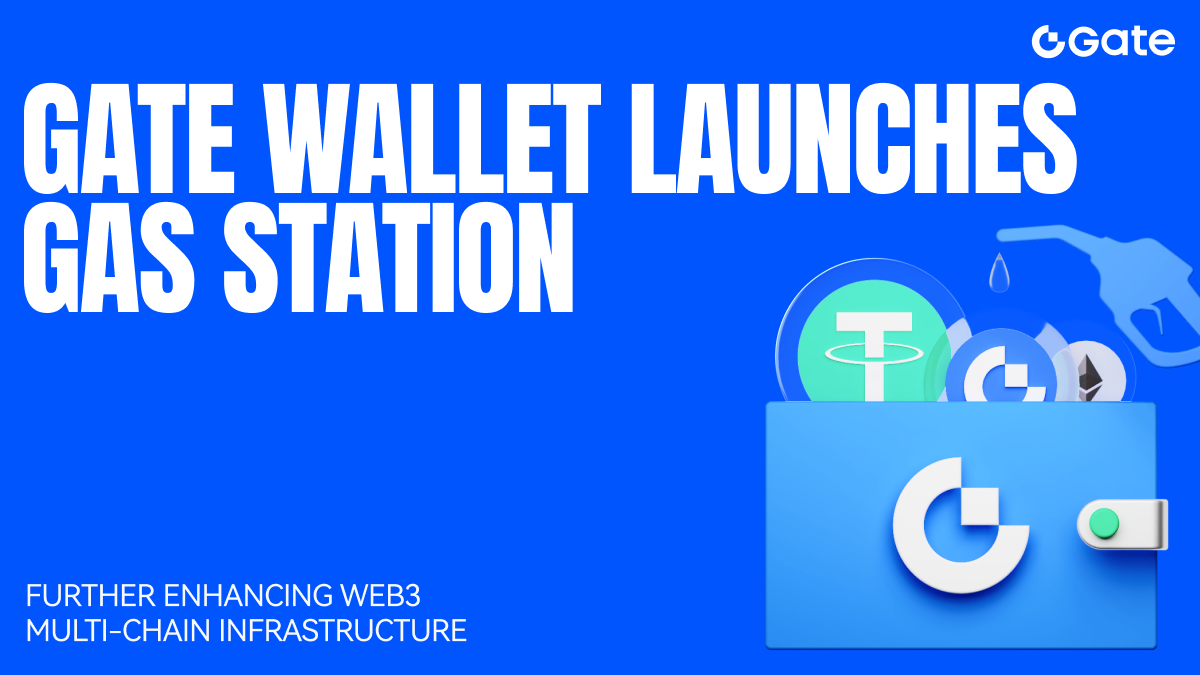
Gate Wallet’s Gas Station is a fundamental feature designed to address the frequent issue of insufficient gas that users encounter when operating across multiple blockchains. By linking a dedicated gas account to every EVM wallet, the system automatically covers network fees whenever a user’s native gas balance runs low, ensuring transactions complete smoothly.

This mechanism shifts gas from a prerequisite for blockchain operations to an automated platform capability, dramatically streamlining multi-chain interactions.

Pain Points of Gas Usage in Multi-Chain Environments

As the Web3 ecosystem evolves, multi-chain operations have become standard. Users working with networks like Ethereum, BNB Smart Chain, Arbitrum, and Base must separately maintain native gas tokens for each chain. If any chain’s gas runs out, transactions are interrupted.

This fragmented approach to gas management drives up capital preparation costs and increases operational complexity. For new users, gas is often the first barrier to entering Web3.

Core Mechanism and Functional Design of Gas Station

Gate Wallet Gas Station enhances the gas experience in several ways:

  • One-to-one binding of a dedicated gas account to every user’s EVM wallet
  • Automatic payment of network fees when native gas is insufficient
  • No extra contract authorization required, reducing security risks
  • Transparent, traceable payment records for clear fund flows

This design minimizes transaction failures due to insufficient gas, delivering greater stability for users operating in multi-chain environments.

Supported Mainstream Networks and Rechargeable Assets

Currently, Gas Station supports a wide range of mainstream EVM networks, including:

Ethereum, BNB Smart Chain, Base, Arbitrum, Avalanche, Polygon, Optimism, Linea, GateChain EVM, and Gate Layer.

For deposits, users can recharge with over 100 popular cryptocurrencies, including GT, USDT, USDC, ETH, and BNB—eliminating the need to prepare native tokens for each network individually.

This cross-chain, cross-asset gas payment model provides unified foundational support for multi-chain operations.

How Gas Station Improves the Web3 Experience

From the user’s perspective, Gas Station delivers three key benefits:

  • Lowers entry barriers: New users can transact on-chain without mastering complex gas mechanisms
  • Reduces transaction interruptions: Prevents failures and delays caused by insufficient gas
  • Boosts fund management efficiency: Centralizes gas balance management and reduces frequent conversions

These improvements make Web3 more accessible and practical for everyday use.

Security and Transparency Features

Gate Wallet Gas Station maintains the platform’s high security standards. Users can track their gas account balances, payment history, and transaction details, and the feature does not require any additional contract authorizations.

This transparent and controllable mechanism enhances convenience while providing robust security for users.

Incentive Programs and User Benefits

With the launch of Gas Station, Gate has rolled out multiple incentive programs, including first-time gas deposit subsidies for new users, cashback for active users, and referral commissions.

These subsidies and cashback offers further reduce users’ actual gas costs in multi-chain environments, encouraging more active on-chain participation.

Conclusion: Gas Station’s Role in Gate’s Web3 Strategy

Gas Station is more than a feature update—it represents Gate’s ongoing commitment to infrastructure and user experience under its All in Web3 strategy. By reducing operational friction and centralizing complex underlying processes, Gate is building a more stable and highly available Web3 gateway.

As multi-chain operations become industry standard, enhancing core user experience will directly influence the platform’s long-term competitiveness. The launch of Gas Station reinforces Gate’s position as a key hub in the Web3 ecosystem and provides reliable support for broader user adoption of blockchain technology.

Author: Max
Disclaimer
* The information is not intended to be and does not constitute financial advice or any other recommendation of any sort offered or endorsed by Gate.
* This article may not be reproduced, transmitted or copied without referencing Gate. Contravention is an infringement of Copyright Act and may be subject to legal action.

Related Articles

What is Fartcoin? All You Need to Know About FARTCOIN
Intermediate

What is Fartcoin? All You Need to Know About FARTCOIN

Fartcoin (FARTCOIN) is a representative meme coin within the Solana ecosystem based on an AI-driven narrative. Its core concept originated from an experiment aimed at exploring the "boundaries between AI Agents and humor." More than just a digital asset with social attributes, the project deeply couples absurd humor culture with on-chain financial logic by integrating autonomous AI interaction models.
2026-04-04 22:01:19
Gold Price Forecast for the Next Five Years: 2026–2030 Trend Outlook and Investment Implications, Could It Reach $6,000?
Beginner

Gold Price Forecast for the Next Five Years: 2026–2030 Trend Outlook and Investment Implications, Could It Reach $6,000?

Analyze current gold price trends alongside authoritative five-year forecasts, integrating an evaluation of market risks and opportunities. This gives investors insight into the potential trajectory of gold prices and the main drivers expected to shape the market over the next five years.
2026-03-25 18:13:30
Aster vs Hyperliquid: Which Perp DEX Will Prevail?
Beginner

Aster vs Hyperliquid: Which Perp DEX Will Prevail?

Aster and Hyperliquid are the two representative protocols of the "purpose-built L1 path" within the current decentralized perpetual exchange (Perp DEX) sector. As a pioneer in the field, Hyperliquid has built a deep liquidity moat through its highly mature order book architecture and strong community consensus. Conversely, Aster, as a rising challenger, seeks to leapfrog the competition in high-performance trading through more aggressive multi-chain aggregation logic, private transaction modules, and an underlying execution environment optimized for 2026 market demands.
2026-03-24 11:58:33
2026 Silver Price Forecast: Bull Market Continuation or High-Level Pullback? In-Depth Analysis of Silver Candlestick Chart
Beginner

2026 Silver Price Forecast: Bull Market Continuation or High-Level Pullback? In-Depth Analysis of Silver Candlestick Chart

2026 Silver Price Forecast: Latest Outlook This article integrates current market trends, silver candlestick chart analysis, and momentum factors to assess the potential key support and resistance levels, upside targets, and pullback risks for silver prices. The goal is to help investors make informed, rational decisions.
2026-03-25 16:08:59
ASTER Tokenomics: Buybacks, Burns, and Staking as the Value Foundation of ASTER in 2026
Beginner

ASTER Tokenomics: Buybacks, Burns, and Staking as the Value Foundation of ASTER in 2026

ASTER is the native equity and governance token of the Aster ecosystem, with its core value built upon a radical "Deflationary Engine." Beyond serving as a governance tool, ASTER integrates multiple utilities including staking rewards, trading fee discounts, and liquidity incentives. Through its deep integration with the upcoming dedicated Layer 1 mainnet, it enables direct value capture from protocol cash flow to token holders.
2026-03-25 07:38:07
Crypto Future Profit Calculator: How to Calculate Your Potential Gains
Beginner

Crypto Future Profit Calculator: How to Calculate Your Potential Gains

Crypto Future Profit Calculator helps traders estimate potential earnings from futures contracts by considering entry price, leverage, fees, and market movement.
2026-04-03 23:27:09