QueenOfTheDay

vip
Age 1 Year
Peak Tier 1
No content yet
BTC
live-cover
25 views
2026-07-16 02:10
Ended • No Replay
  • Reward
  • Comment
  • Repost
  • Share
Market update
253 views
2026-07-16 01:21
  • Reward
  • Comment
  • Repost
  • Share
Market update
469 views
2026-07-15 16:25
  • Reward
  • Comment
  • Repost
  • Share
thank For the update
DragonFlyOfficial
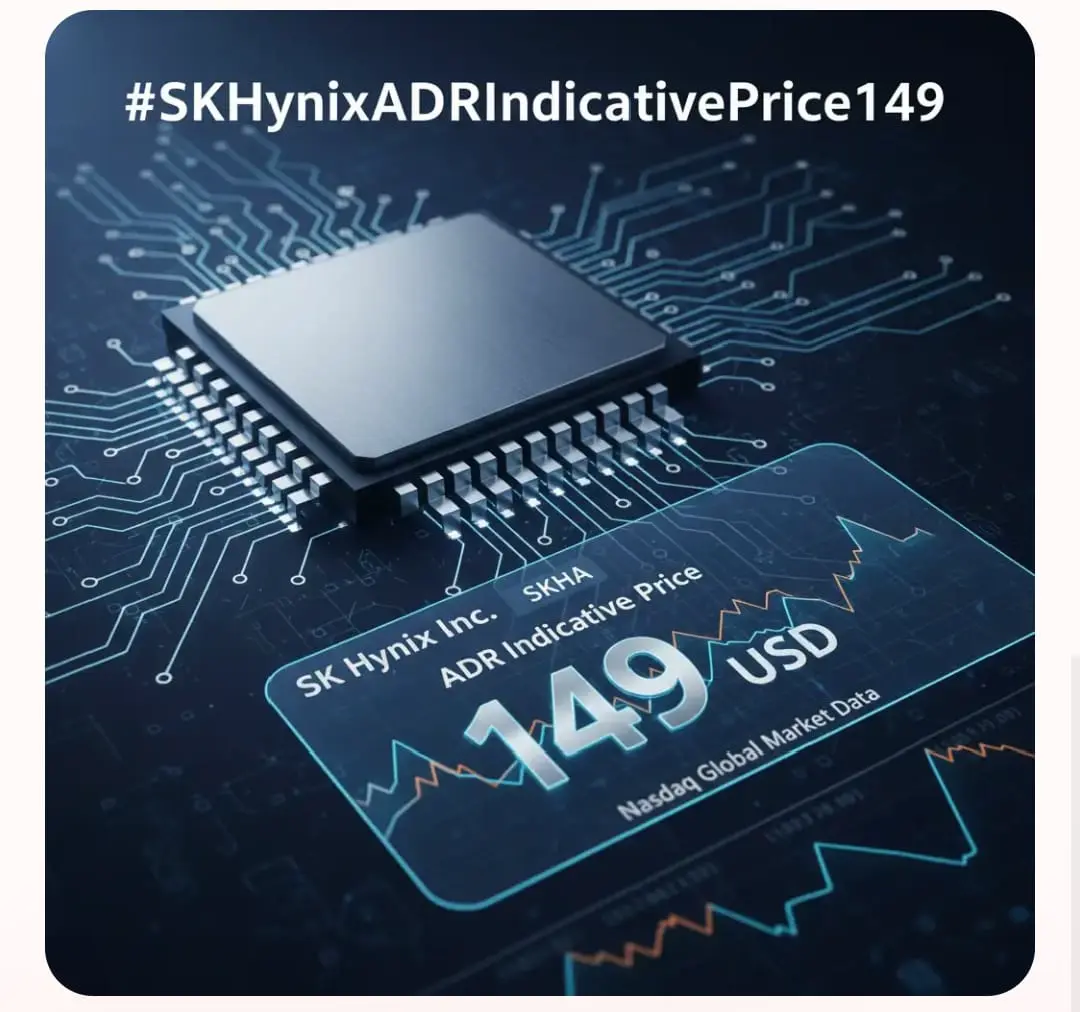
#SKHynixADRPremiumSurges
SK Hynix's 50% ADR Premium Isn't a Bubble. It's a Warning About Where AI Capital Is Going Next.
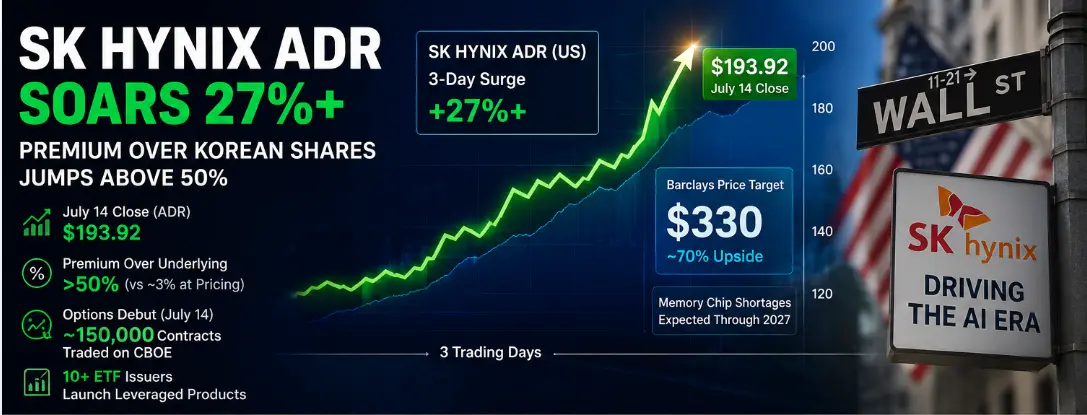
Most investors saw SK Hynix's U.S. ADR jump more than 27% in just three trading days and assumed it was another momentum rally. But the real story isn't the price. It's why the premium over the underlying Korean shares has exploded beyond 50%.
That kind of gap rarely appears without structural forces behind it.
The Real Driver Isn't Retail FOMO—It's Market Structure
Unlike many international stocks, converting Korean shares into SK Hynix ADRs isn't frictionless. That limited conversion mechanism restricts arbitrage, allowing the ADR to trade far above its underlying value when U.S. demand surges.
Normally, arbitrage would quickly erase such premiums. Here, structural constraints make the gap much harder to close.
Options Are Amplifying the Rally
The timing isn't random.
U.S. options trading on SK Hynix ADRs launched almost immediately after the listing, generating roughly 150,000 contracts on the first day. At the same time, more than ten ETF issuers introduced leveraged products tied to the stock.
Every options hedge, leveraged ETF rebalance, and momentum trade creates additional buying pressure. Instead of merely reflecting demand, derivatives can become a source of demand themselves.
That's why the ADR premium expanded so rapidly.
The Bigger AI Story
SK Hynix isn't just another semiconductor company.
It is one of the world's leading suppliers of High Bandwidth Memory (HBM), the advanced memory technology powering AI accelerators from companies like NVIDIA. As AI models grow larger, demand for high-performance memory continues to outpace supply.
This is why many institutional investors aren't valuing SK Hynix based on today's earnings alone. They're pricing in years of AI infrastructure expansion.
Wall Street Is Looking Beyond 2026
Barclays recently raised its target to $330, implying significant upside from current ADR levels. The investment thesis isn't based on short-term excitement but on expectations that memory shortages could persist through 2027 as hyperscale cloud providers continue investing aggressively in AI infrastructure.
If that outlook proves correct, today's valuation could reflect expectations for future cash flows rather than current market conditions.
But There Are Risks Investors Shouldn't Ignore
A 50% premium also increases downside risk.
If conversion rules change, supply expands, AI infrastructure spending slows, or semiconductor demand weakens, the premium could compress much faster than it expanded.
Options-driven rallies can reverse quickly once positioning changes.
Long-term optimism doesn't eliminate short-term volatility.
The Bottom Line
The extraordinary ADR premium isn't simply about SK Hynix. It's a signal that global capital is aggressively chasing scarce AI infrastructure assets wherever liquidity exists.
Whether this premium remains justified will depend on two factors: the durability of AI investment and the persistence of memory shortages over the next several years.
For now, Wall Street appears to be betting that the AI boom is still in its early innings.
Dragon Fly Official
Question: Do you think SK Hynix's ADR premium reflects genuine long-term AI demand, or has derivatives-driven enthusiasm pushed prices too far ahead of fundamentals?
repost-content-media
  • Reward
  • Comment
  • Repost
  • Share
good post
DragonFlyOfficial
#BTCBouncesTo65K
Bitcoin Just Reclaimed $65K. But the Real Story Isn't the Rally—It's What Triggered It.
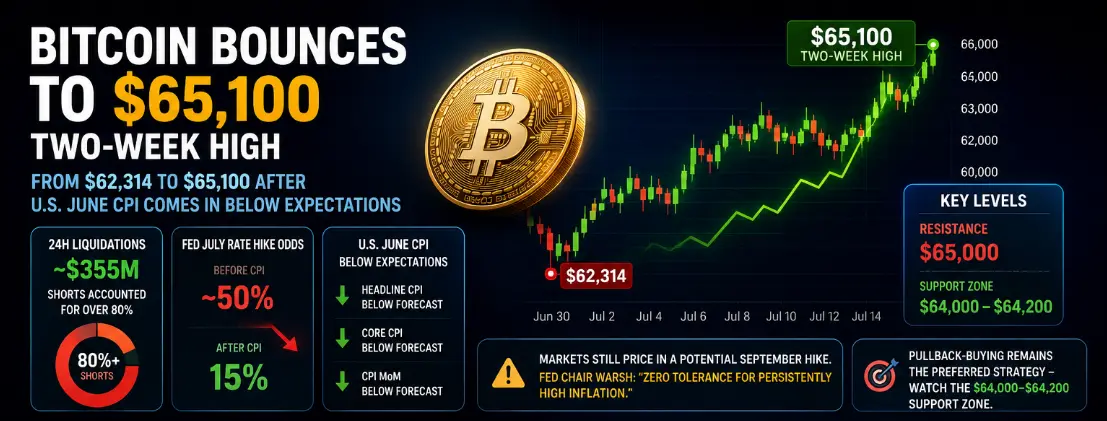
When Bitcoin jumped from $62,314 to $65,100, many traders celebrated another breakout. Yet the price action wasn't driven by hype alone. It was the result of a powerful combination of softer U.S. inflation data, a dramatic shift in Federal Reserve expectations, and a massive short squeeze that rippled across global risk assets.
This wasn't just a crypto rally. It was a macro-driven repricing event.
A Cooler CPI Changed the Market Narrative
June's U.S. CPI came in below expectations across the board, immediately changing how investors viewed the Fed's next move.
Before the inflation report, markets were assigning nearly a 50% probability to a July rate hike. Within hours, those odds collapsed to roughly 15%.
Lower inflation reduces pressure on the Federal Reserve to tighten monetary policy, improving liquidity expectations and boosting demand for risk assets such as Bitcoin, technology stocks, and AI-related companies.
The Short Squeeze Added Fuel to the Move
The rally accelerated as leveraged bearish positions were forced out of the market.
Approximately $355 million in crypto positions were liquidated within 24 hours, with more than 80% coming from short sellers.
When short traders are liquidated, they are forced to buy back Bitcoin to close their positions. That buying pressure often pushes prices even higher, creating a self-reinforcing rally.
The move above $65K was driven by both improving macro sentiment and aggressive short covering.
This Wasn't Just a Bitcoin Story
The market reaction extended far beyond crypto.
Ethereum climbed more than 5%, reclaiming $1,890.
The Nasdaq approached a three-week high as investors rotated back into growth assets.
Meanwhile, SK Hynix ADR surged over 27%, highlighting that AI infrastructure stocks remain one of the market's strongest themes.
This synchronized move across crypto, AI, and equities suggests investors are once again embracing risk after the inflation surprise.
The Next Battle Is $65,000
Despite the breakout, Bitcoin hasn't fully escaped danger.
The $65,000 region remains an important resistance level where sellers could become active.
At the same time, markets continue pricing in the possibility of a September rate hike, while Fed Chair Kevin Warsh reiterated a "zero tolerance" approach toward persistently high inflation.
That means one encouraging CPI report doesn't necessarily signal the end of monetary tightening.
Strategy Matters More Than Emotion
Chasing green candles after a sharp rally has historically carried significant risk.
If bullish momentum remains intact, the $64,000–$64,200 area could become an important support zone where buyers may attempt to defend the trend.
Watching price reaction around support is often a more disciplined approach than buying after an extended breakout.
The Bottom Line
Bitcoin's rebound wasn't simply another volatile crypto move. It reflected how quickly macroeconomic expectations can reshape global markets.
The inflation report improved liquidity expectations, triggered a large-scale short squeeze, and reignited demand across cryptocurrencies, AI stocks, and technology sectors.
The next few sessions will reveal whether this is the beginning of a sustained trend—or just a powerful relief rally before the market's next major catalyst.
Dragon Fly Official
Question: Do you think Bitcoin can turn $65K into support, or will macro uncertainty send it back toward the $64K zone before the next breakout?
repost-content-media
  • Reward
  • Comment
  • Repost
  • Share
good post
DragonFlyOfficial
#GateSpotGrowthRankedFirstGlobally
Gate Just Became the Fastest-Growing Major Crypto Exchange. Here's Why That Matters More Than the Numbers.
After months of slowing activity across the crypto market, June marked an important turning point. According to CoinDesk's latest Exchange Review, global centralized exchange (CEX) spot trading volume rebounded 15.3% month-over-month, ending a five-month decline. While the industry recovered, one exchange stood out far above the rest.
Gate's spot trading volume surged 50.8% to $66.1 billion, giving it the highest spot growth rate among all major centralized exchanges. Even more importantly, its market share climbed to 5.95%, the highest level since October 2025, pushing Gate back into the global top three spot exchanges.
Growth Is More Important Than Size
Many investors focus only on total trading volume, but professional traders pay closer attention to market share growth.
When an exchange gains market share while the overall industry is recovering, it suggests users are actively choosing that platform over competitors—not simply benefiting from a broader market rally.
Gate's 1.55 percentage-point increase in spot market share indicates it captured a meaningful portion of new trading activity during June.
The Derivatives Business Tells the Same Story
Spot trading wasn't the only area showing strength.
Gate processed approximately $369 billion in derivatives trading volume during June, representing a 9.52% global market share, while maintaining its position as the fourth-largest derivatives exchange.
Open interest reached 9.20% of the global market, placing Gate among the top three exchanges worldwide.
Strong open interest suggests traders are keeping positions open rather than simply making short-term trades, often reflecting deeper market participation.
Why Liquidity Matters
Higher trading volume isn't just a headline.
It generally improves liquidity, narrows bid-ask spreads, supports faster order execution, and makes it easier for both retail and institutional traders to transact efficiently.
As liquidity grows, the platform becomes more attractive to larger participants, creating a positive feedback loop that can reinforce long-term growth.
The Bigger Industry Picture
The timing is equally important.
Crypto trading activity had been declining for five consecutive months before June's recovery.
Gate didn't simply benefit from the market's rebound—it significantly outperformed the industry's average growth rate.
That distinction suggests competitive momentum rather than passive participation in a rising market.
Can This Momentum Continue?
Sustaining leadership will depend on several factors:
Continued user growth.
Strong liquidity across major trading pairs.
Expansion of institutional participation.
Successful product launches, including innovations such as Gate's expanding ecosystem.
The overall health of the crypto market.
If market activity continues improving, exchanges that gained share during the recovery phase could be well positioned for the next cycle.
The Bottom Line
June wasn't just another strong month for Gate.
It marked a significant shift in competitive positioning.
Leading the industry in spot trading growth, returning to the global top three in spot markets, maintaining a top-four position in combined trading volume, and remaining one of the world's largest derivatives platforms all point to increasing influence in the global digital asset ecosystem.
For traders, market share often tells a more meaningful story than volume alone—and Gate's latest numbers suggest it is becoming one of the strongest competitors in the next phase of the crypto market.
Dragon Fly Official
Question: As crypto trading activity recovers, which factor matters most to you when choosing an exchange: liquidity, security, product innovation, or low trading fees?
repost-content-media
  • Reward
  • Comment
  • Repost
  • Share
nice information
DragonFlyOfficial
#GateJuneTransparencyReport
Gate's June Report Isn't Just About Bigger Numbers. It Shows the Platform Is Expanding on Every Front.
Crypto exchanges are often judged by trading volume alone. But long-term leadership depends on something much broader: financial strength, user protection, product innovation, regulatory progress, and liquidity. Gate's June Transparency Report suggests the company isn't growing in just one area—it's building across its entire ecosystem.
While many platforms focus on a single metric, Gate's latest report shows simultaneous progress in reserves, trading activity, TradFi integration, compliance, and new investment products.
Strong Reserves Build Long-Term Confidence
One of the most important figures in the report is $8.18 billion in total reserves with a 115% reserve ratio, covering nearly 500 user assets.
A reserve ratio above 100% means the platform reports holding more assets than required to cover customer balances. While Proof of Reserves is only one measure of financial transparency, maintaining strong reserve coverage helps reinforce user confidence during both bull and bear markets.
Trading Activity Continues to Accelerate
June marked one of Gate's strongest trading months.
Spot trading volume climbed 50.8% month-over-month to $66.1 billion, making it the fastest-growing major centralized exchange during the period.
Meanwhile, derivatives continued expanding, with open interest market share reaching 10.8%, strengthening Gate's position as the world's third-largest derivatives exchange.
Higher liquidity generally attracts more traders, improves order execution, and creates a stronger trading environment across the platform.
TradFi Expansion Is Becoming a Major Growth Engine
Perhaps the biggest strategic development wasn't crypto at all.
Gate significantly expanded its traditional finance ecosystem by launching:
Real stock trading for U.S., Hong Kong, and Korean markets.
Its first Direct IPO Access project featuring SpaceX.
Gate Wealth, bringing additional investment products to users.
This shows the platform is moving beyond being a crypto exchange toward becoming a broader digital investment ecosystem where users can access multiple asset classes from a single platform.
New Products Are Driving Higher Engagement
User activity wasn't limited to spot and futures trading.
The report highlights approximately $280 million in monthly prediction market volume, while ETF monthly trading volume approached $20 billion.
Growing participation across multiple product categories suggests users are spending more time within the ecosystem instead of relying on a single trading service.
Diversification like this can strengthen platform resilience during changing market conditions.
Global Compliance Remains a Competitive Advantage
Expansion means little without regulatory progress.
Gate now reports compliance coverage across multiple major jurisdictions, including MiCA in Europe, VARA in Dubai, FSA in Japan, 47 U.S. jurisdictions, and AUSTRAC registration in Australia.
As global crypto regulation continues evolving, exchanges with broader regulatory footprints may be better positioned to attract both institutional and retail participants.
The Bigger Picture
The June report isn't simply a collection of statistics.
It reflects a strategy built around three pillars:
Strengthening financial transparency through robust reserves.
Expanding liquidity across spot and derivatives markets.
Building a multi-asset investment platform that combines crypto, traditional finance, wealth management, ETFs, and innovative products under one ecosystem.
If execution continues at this pace, Gate could become more than a leading crypto exchange—it could evolve into one of the industry's most comprehensive digital financial platforms.
The Bottom Line
Markets often reward platforms that can grow across multiple dimensions simultaneously.
Gate's June Transparency Report highlights progress in reserves, trading volume, derivatives, traditional finance, product innovation, and global compliance—all within a single month.
The challenge now isn't proving momentum. It's sustaining that momentum as competition intensifies and the next phase of crypto adoption unfolds.
Dragon Fly Official
Question: Which development do you believe will have the biggest long-term impact on Gate's growth: stronger Proof of Reserves, TradFi expansion, Direct IPO Access, or global regulatory expansion?
repost-content-media
  • Reward
  • Comment
  • Repost
  • Share
thanks for the update
DragonFlyOfficial
#WarshReaffirms2PercentInflationTarget
One Soft Inflation Report Won't Change the Fed. Warsh Just Reminded Markets Why.
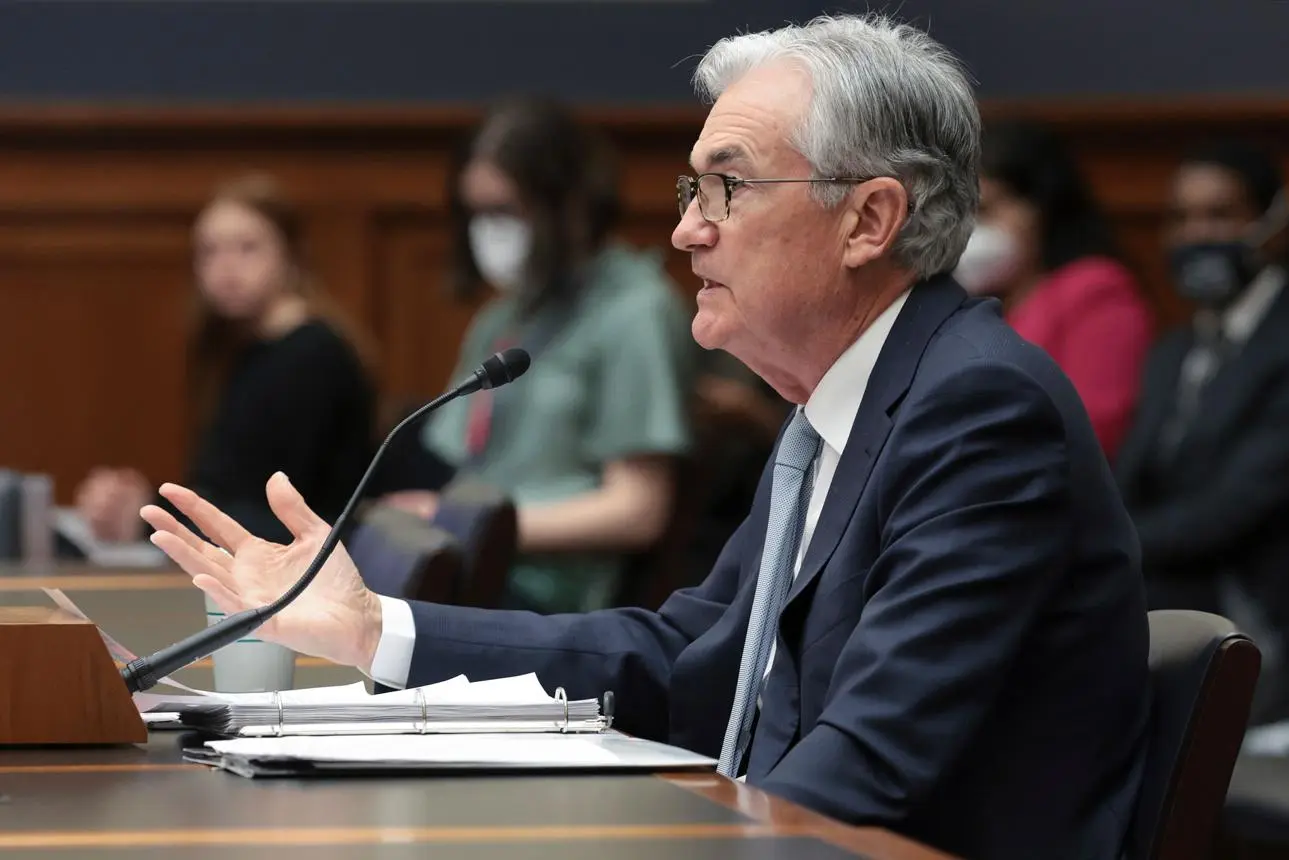
Financial markets celebrated after June's softer-than-expected CPI report. Bitcoin surged, technology stocks rallied, Treasury yields eased, and traders rapidly reduced expectations for an immediate rate hike. But just as optimism began spreading across global markets, Fed Chair Kevin Warsh delivered a message that investors couldn't afford to ignore.
His position was clear: the fight against inflation is not over.
One Good CPI Report Doesn't Equal Victory
Markets often react quickly to economic data, but central banks don't make policy decisions based on a single month's numbers.
While June's CPI showed encouraging progress, Warsh emphasized that declaring victory over inflation would be premature. His statement that "mission accomplished is not my view" signals the Federal Reserve remains focused on long-term price stability rather than short-term market enthusiasm.
For policymakers, sustainable evidence matters far more than a single positive report.
The 2% Inflation Target Remains Non-Negotiable
Warsh reaffirmed the Federal Reserve's commitment to its 2% inflation target, describing persistent inflation as unacceptable.
This matters because inflation expectations influence everything from consumer spending to corporate investment and wage negotiations. If businesses and households begin believing inflation will remain elevated, controlling prices becomes significantly more difficult.
Maintaining credibility is therefore just as important as adjusting interest rates.
Fed Independence Sends an Important Message
Perhaps the most significant part of Warsh's testimony wasn't about inflation—it was about the Federal Reserve's independence.
Amid public calls from President Trump for lower interest rates, Warsh responded simply: "I'll do my job."
By describing Fed independence as "sacrosanct," he reinforced a principle that financial markets closely monitor. Independent central banks are generally viewed as more credible because policy decisions are expected to reflect economic conditions rather than political pressure.
That credibility helps anchor long-term market confidence.
Why Markets Shouldn't Become Complacent
Following the CPI release, expectations for a near-term rate hike dropped sharply, encouraging investors to rotate back into higher-risk assets.
However, Warsh's comments suggest the Federal Reserve is unlikely to pivot based on one encouraging inflation report alone.
Future decisions will depend on additional data covering inflation, employment, wage growth, consumer demand, and broader economic conditions.
Markets may have become more optimistic—but the Fed remains cautious.
What This Means for Investors
For equities, cryptocurrencies, and other risk assets, monetary policy continues to be one of the most influential drivers of market direction.
If inflation continues declining over the coming months, expectations for a more accommodative policy could strengthen.
But if inflation stalls or begins rising again, markets may need to reassess current pricing, particularly in sectors that have recently benefited from expectations of easier monetary policy.
Patience may prove more valuable than chasing short-term optimism.
The Bottom Line
Warsh's testimony wasn't designed to surprise markets—it was designed to reinforce credibility.
The Federal Reserve's commitment to the 2% inflation target, its emphasis on policy independence, and its refusal to overreact to a single month's data all point toward one conclusion:
The inflation battle has improved, but it hasn't been won.
For investors, the next few inflation reports may matter far more than the last one.
Dragon Fly Official
Question: Do you believe the Federal Reserve will maintain its cautious stance through the next few meetings, or could continued cooling inflation eventually shift policymakers toward a more accommodative approach?
repost-content-media
  • Reward
  • Comment
  • Repost
  • Share
nice information
DragonFlyOfficial
#USCoreCPIMissesExpectations
U.S. Inflation Is Cooling. But Don't Mistake That for an Immediate Fed Pivot.
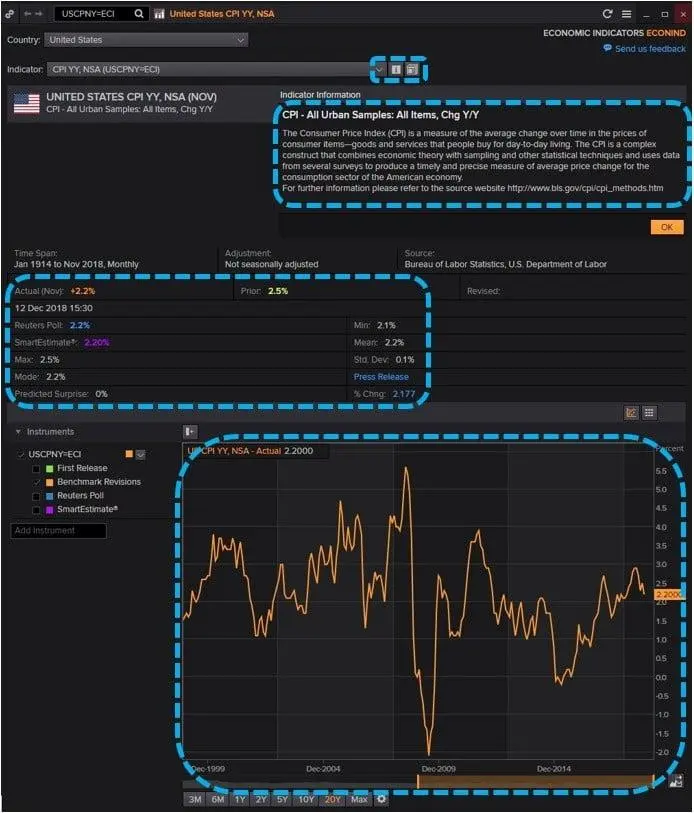
The latest U.S. inflation report delivered welcome news for financial markets. Core CPI slowed to 2.7% year-over-year, beating expectations of 2.8%, while headline CPI unexpectedly fell 0.1% month-over-month—the first monthly decline since 2020. Investors immediately interpreted the data as a sign that inflationary pressure is easing.
But beneath the headline numbers, the picture is far more complex.
The Headline Looks Better Than the Underlying Reality
At first glance, inflation appears to be moving in the right direction.
Headline CPI dropped from 4.2% to 3.8% annually, helped primarily by lower energy prices. Falling fuel costs provided consumers with some relief and pulled the overall inflation rate lower.
However, central banks rarely base policy decisions on energy prices alone because they are highly volatile. Instead, policymakers pay much closer attention to core inflation, which excludes food and energy to reveal longer-term pricing trends.
While core CPI improved, it remains well above the Federal Reserve's 2% inflation target, meaning the battle isn't over.
Sticky Services Inflation Remains the Fed's Biggest Challenge
The most important detail in the report wasn't what became cheaper—it was what didn't.
Core services inflation continues to remain stubbornly high, with housing costs and auto insurance showing persistent price pressure.
These categories tend to reflect broader wage growth and domestic demand rather than temporary commodity fluctuations. As long as service-sector inflation remains elevated, the Federal Reserve has limited room to declare victory.
This explains why policymakers continue emphasizing patience despite improving headline numbers.
Markets Reacted Exactly as Expected
Financial markets quickly repriced expectations after the report.
The probability of a July rate hike declined sharply from around 50%, while U.S. Treasury yields moved lower as investors anticipated a less aggressive monetary policy path.
Risk assets responded positively, with cryptocurrencies and growth stocks benefiting from expectations that borrowing costs may stabilize sooner than previously feared.
This reaction highlights how sensitive today's markets remain to every inflation release.
The Bigger Question Isn't July—It's the Rest of the Year
While July rate hike expectations have eased, investors are now shifting their attention toward the timing of future policy changes.
If inflation continues trending lower over the next several months, the Federal Reserve could gain greater flexibility.
However, if core services inflation remains sticky or energy prices rebound, markets may once again need to adjust expectations.
One encouraging inflation report doesn't establish a trend—it starts a conversation.
What Investors Should Watch Next
The next phase of the market will depend on more than CPI alone.
Key indicators include:
Employment and wage growth.
Consumer spending.
Producer Price Index (PPI).
Core services inflation.
Future Federal Reserve guidance.
Together, these data points will determine whether inflation is truly moving toward the Fed's long-term objective or simply experiencing a temporary slowdown.
The Bottom Line
June's inflation report was unquestionably a positive development for financial markets.
Cooling inflation reduced immediate pressure on the Federal Reserve and supported a rally across equities, cryptocurrencies, and other risk assets.
Yet the underlying message remains balanced: headline inflation is improving, but core price pressures haven't disappeared.
Until services inflation moves closer to the Fed's 2% target, policymakers are likely to remain cautious—even if markets become increasingly optimistic.
Dragon Fly Official
Question: Do you believe cooling inflation is enough to change the Fed's policy path, or will persistent services inflation keep interest rates higher for longer?
repost-content-media
  • Reward
  • Comment
  • Repost
  • Share
great post
DragonFlyOfficial
#Web3SecurityGuide The Biggest Threat in Web3 Isn't Hackers. It's Small Mistakes That Can Freeze Your Funds.
Most people assume losing crypto only happens because of sophisticated hackers or exchange breaches. In reality, many users face problems much earlier—during everyday deposits, withdrawals, or account verification. A single mistake can trigger security reviews, delay transactions, or even result in a temporary account restriction.
In Web3, protecting your assets isn't just about security. It's about understanding how risk controls work.
Why Deposits and Withdrawals Trigger Risk Controls
Crypto platforms continuously monitor transactions to protect users and comply with global anti-money laundering (AML) regulations.
Large or unusual transfers, deposits from high-risk wallet addresses, rapid movement of funds between multiple platforms, or inconsistent account activity can all trigger automated reviews.
These checks aren't necessarily signs that you've done something wrong—they're designed to identify unusual behavior before fraud or illicit activity occurs.
Common Mistakes That Create Unnecessary Problems
Many account restrictions are caused by avoidable errors rather than malicious activity.
Some of the most common include:
Sending assets through the wrong blockchain network.
Depositing funds from unknown or high-risk wallet addresses.
Frequently moving large amounts without a clear transaction history.
Sharing account access or using suspicious third-party services.
Falling victim to phishing websites that imitate legitimate platforms.
Most of these risks can be avoided with careful verification before every transaction.
What to Do If Your Account Is Restricted
If your account enters a security review, avoid making repeated withdrawal attempts or creating multiple support requests.
Instead:
Verify your identity if requested.
Prepare proof of fund ownership when necessary.
Respond promptly to official support inquiries.
Keep records of transaction hashes and wallet addresses.
Cooperating with the verification process is usually much faster than trying to bypass security controls.
How to Make Withdrawals More Safely
Safe withdrawals begin before you click the confirmation button.
Good practices include:
Double-check every wallet address.
Confirm the receiving network matches the sending network.
Enable two-factor authentication (2FA).
Whitelist trusted withdrawal addresses when available.
Send a small test transaction before transferring large amounts.
Never approve wallet permissions you don't fully understand.
A few extra minutes of verification can prevent costly mistakes.
Security Is More Than Technology
The strongest security systems cannot protect users who unknowingly authorize fraudulent transactions.
Scammers increasingly rely on fake websites, phishing messages, social engineering, and malicious wallet approvals instead of technical exploits.
This is why personal awareness remains one of the most effective security tools in Web3.
The Bottom Line
Web3 gives users greater control over their assets—but with that control comes greater responsibility.
Most security incidents don't begin with a sophisticated cyberattack. They begin with rushed decisions, overlooked details, or unfamiliar transactions.
Building safe habits around deposits, withdrawals, wallet management, and account security is one of the best long-term investments any crypto user can make.
Dragon Fly Official
Question: In your experience, what is the biggest Web3 security risk today: phishing scams, fake wallet approvals, incorrect transfers, or social engineering attacks?
repost-content-media
  • Reward
  • Comment
  • Repost
  • Share
Market update
400 views
2026-07-15 15:36
  • Reward
  • Comment
  • Repost
  • Share
#GateSpotGrowthRankedFirstGlobally
The global cryptocurrency industry is becoming more competitive than ever, yet Gate has achieved a remarkable milestone by ranking first globally in spot trading growth. This accomplishment reflects the platform's rapid expansion, increasing user activity, and strong commitment to providing a secure, efficient, and innovative trading experience for millions of users worldwide.
Spot trading remains one of the most important indicators of an exchange's overall health because it represents real buying and selling activity. Gate's impressive growth demonstrates t
post-image
  • Reward
  • 1
  • Repost
  • Share
HighAmbition:
good information 👍
#BTCBouncesTo65K
Bitcoin has once again captured the attention of the global financial market as it rebounds to the $65,000 level, signaling a potential shift in market momentum after a period of uncertainty and price fluctuations. The recovery has renewed confidence among traders, investors, and institutions who believe Bitcoin could be preparing for its next major move. While the crypto market remains volatile, this bounce demonstrates that strong buying interest continues to exist whenever BTC approaches key support zones.
Several factors appear to be supporting Bitcoin's latest rally. Ins
BTC-0.11%
ETH2.37%
post-image
  • Reward
  • 3
  • Repost
  • Share
ybaser:
2026 GOGOGO 👊
View More
#SKHynixADRPremiumSurges
SK Hynix has captured the spotlight as its U.S.-listed ADRs surged to a significant premium over the company's South Korean-listed shares, highlighting the intense global demand for AI-related semiconductor investments. The rapid rise reflects strong investor confidence in SK Hynix's leadership in High Bandwidth Memory (HBM), a critical technology powering next-generation AI accelerators and data centers.
The rally is being fueled by optimism surrounding the AI infrastructure boom, expectations of continued memory shortages, and bullish analyst outlooks. As demand for
SK Hynix-11.52%
SKHY-8.93%
SKHYV-0.98%
post-image
  • Reward
  • 3
  • Repost
  • Share
ybaser:
2026 GOGOGO 👊
View More
#USDTDepositEarningsDoublePlay
Looking for a smarter way to make your USDT work harder? The USDT Deposit Earnings Double Play campaign is designed for users who want to combine security, flexibility, and attractive earning opportunities in one place.
By participating in this campaign, users can deposit USDT and potentially unlock multiple layers of rewards. Instead of letting stablecoins sit idle, this initiative encourages participants to maximize the value of their holdings while exploring additional earning opportunities. Whether you're a long-term crypto investor or someone just starting y
post-image
  • Reward
  • 4
  • Repost
  • Share
ybaser:
2026 GOGOGO 👊
View More
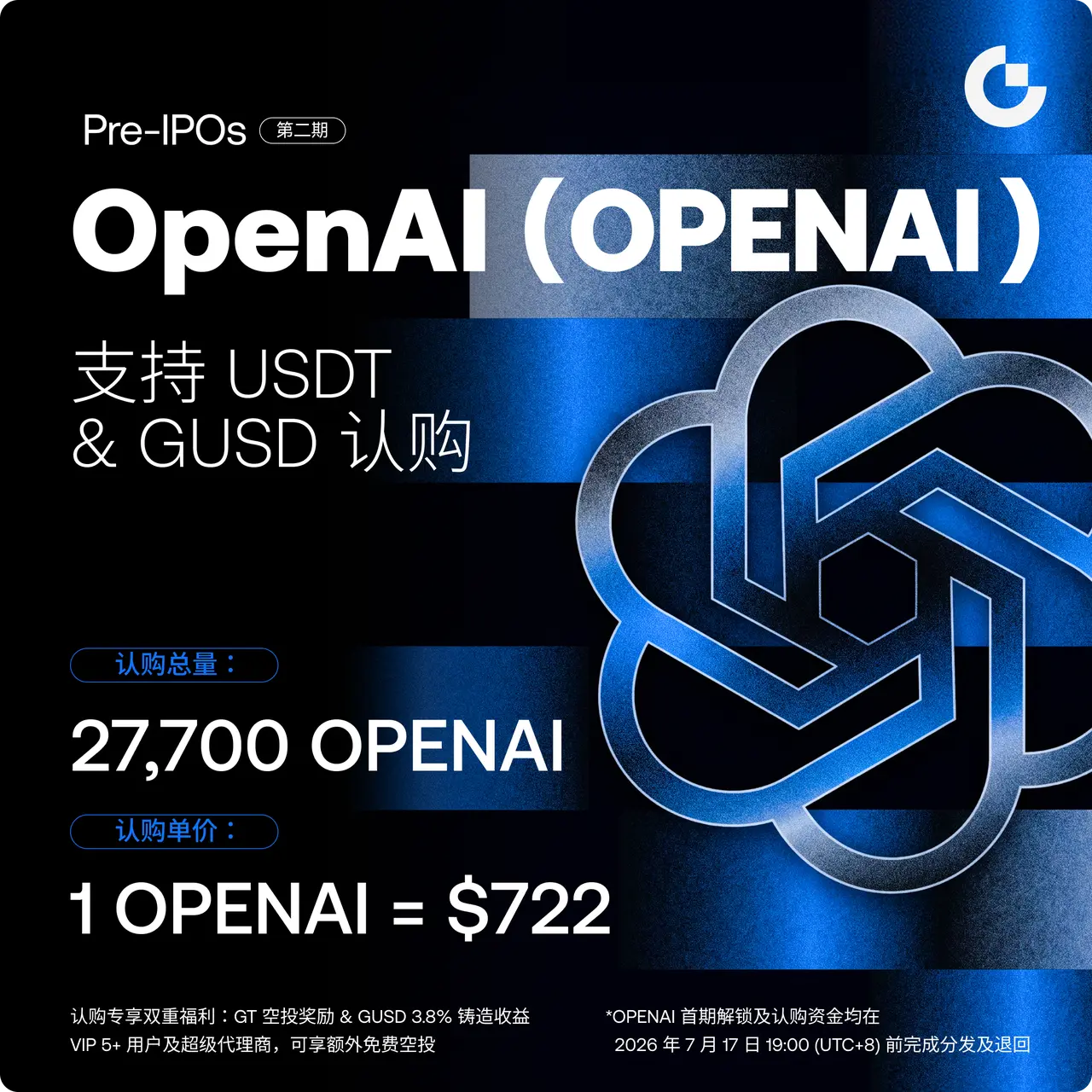
#PreIPOsSeason2OpenAISubscription
The race to invest in the next generation of AI innovation is accelerating, and interest in private technology companies has never been stronger. As artificial intelligence continues to transform industries around the world, many investors are searching for opportunities to gain exposure to promising companies before they become publicly traded.
OpenAI has emerged as one of the most influential names in the AI revolution. Its breakthroughs in generative AI have reshaped the way individuals and businesses interact with technology, driving rapid adoption across
post-image
  • Reward
  • 1
  • Repost
  • Share
HighAmbition:
To The Moon 🌕
market update
177 views
2026-07-15 02:26
  • Reward
  • 1
  • Repost
  • Share
Raveena:
2026 GOGOGO 👊
Morning update
361 views
2026-07-15 01:42
  • Reward
  • 1
  • Repost
  • Share
Raveena:
2026 GOGOGO 👊
Market update
443 views
2026-07-14 16:44
  • Reward
  • 2
  • Repost
  • Share
Raveena:
To The Moon 🌕
View More
#USCoreCPIMissesExpectations
The latest U.S. Core Consumer Price Index (Core CPI) has come in below market expectations, providing fresh evidence that inflationary pressures may be easing. Since Core CPI excludes the more volatile food and energy categories, it is widely regarded as one of the most reliable indicators of underlying inflation and plays a significant role in shaping the Federal Reserve's monetary policy decisions.
A softer-than-expected Core CPI suggests that price increases across the broader economy are slowing. This is encouraging news for investors because lower inflation r
BTC-0.11%
ETH2.37%
post-image
  • Reward
  • 5
  • Repost
  • Share
Raveena:
2026 GOGOGO 👊
View More
  • Pinned