#Web3SecurityGuide
Web3 Security Guide, Essential Practices for Protecting Your Digital Assets in the Decentralized World
Web3 has transformed the way people interact with the internet by introducing decentralized applications, blockchain technology, digital ownership, and peer-to-peer financial systems. Instead of relying on centralized institutions, users can directly control their assets, identities, and online activities through crypto wallets and smart contracts. While this innovation creates exciting opportunities, it also places greater responsibility on individuals to protect their own digital assets. Unlike traditional banking systems, blockchain transactions are generally irreversible, making security one of the most important aspects of participating in the Web3 ecosystem.
A strong understanding of Web3 security is essential for anyone using cryptocurrencies, decentralized finance, NFTs, blockchain games, or decentralized applications. Following proven security practices can significantly reduce risks and help users confidently navigate the growing digital economy.
Understanding Web3 Security
Web3 security refers to the practices, technologies, and habits used to protect digital assets, wallets, private keys, and blockchain accounts from unauthorized access or malicious activity.
Unlike centralized platforms where customer support may be able to reverse certain actions, Web3 users are largely responsible for securing their own accounts. This makes personal security awareness just as important as technological security.
The goal is not only to protect funds but also to safeguard digital identities and maintain control over blockchain assets.
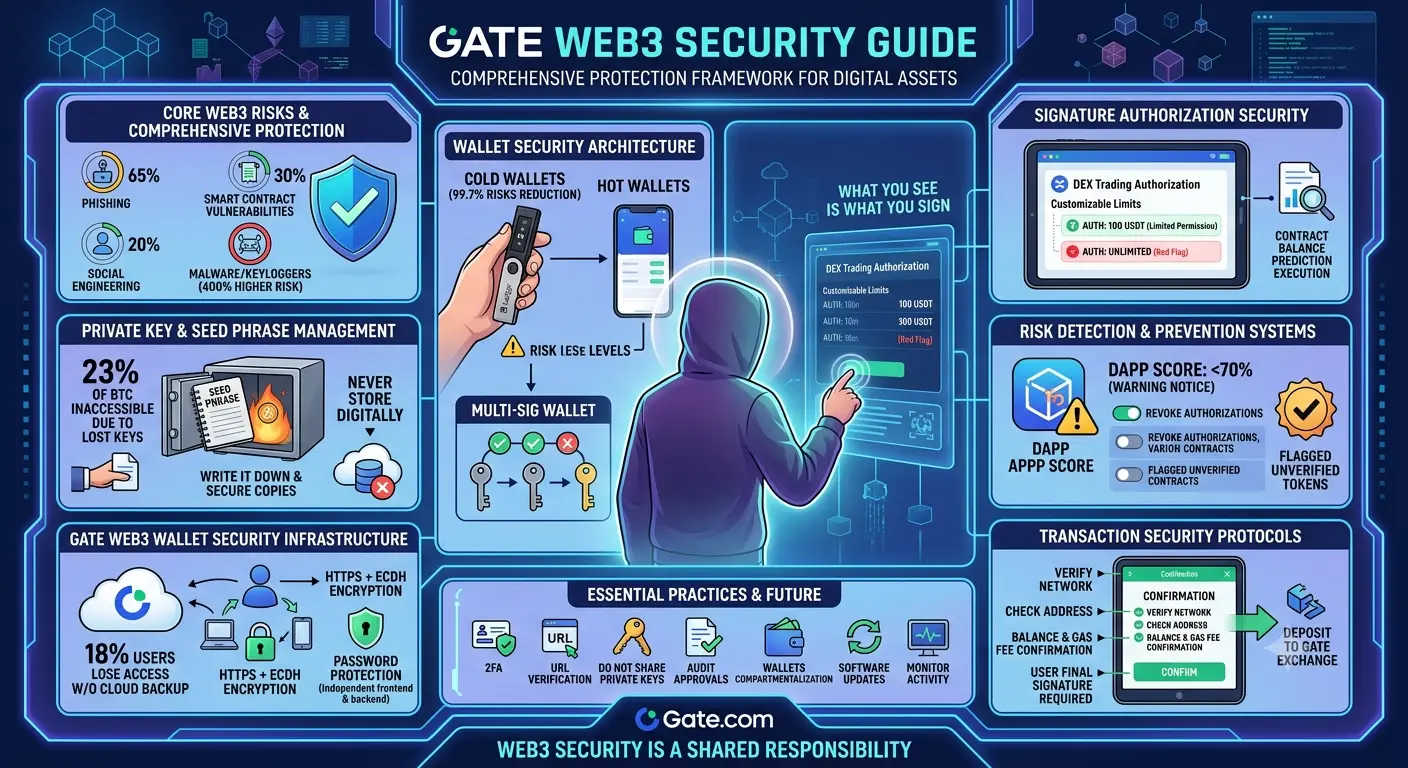
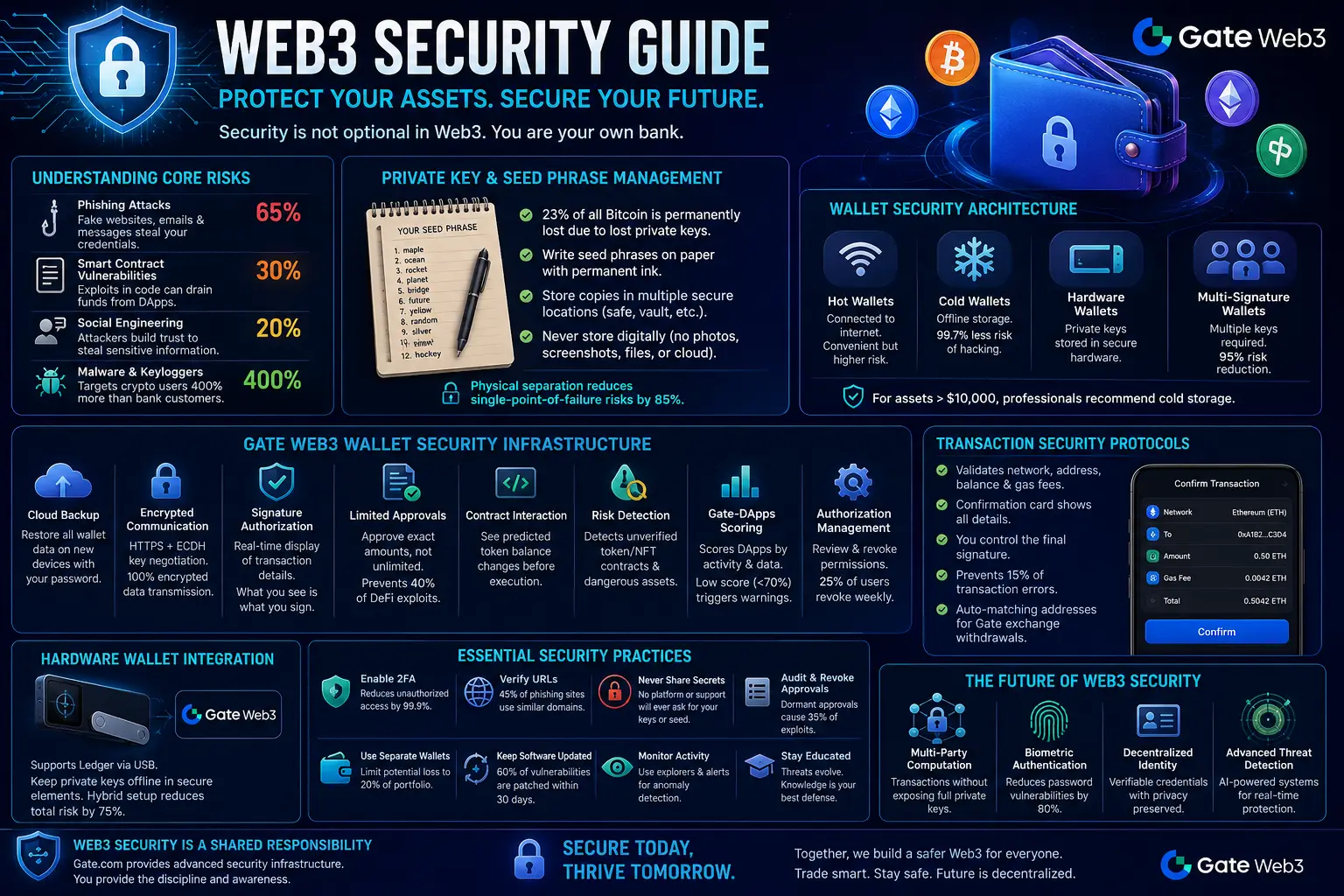
Protect Your Recovery Phrase
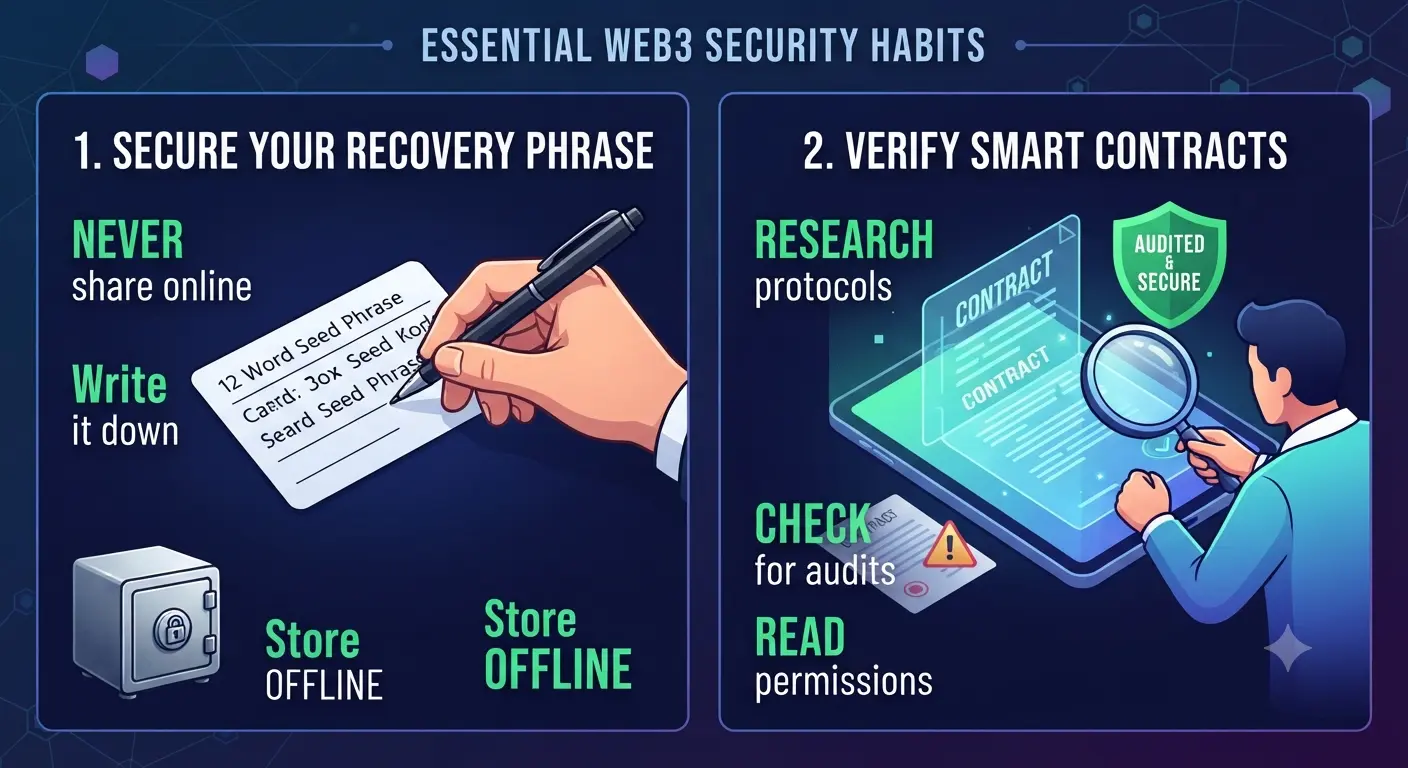
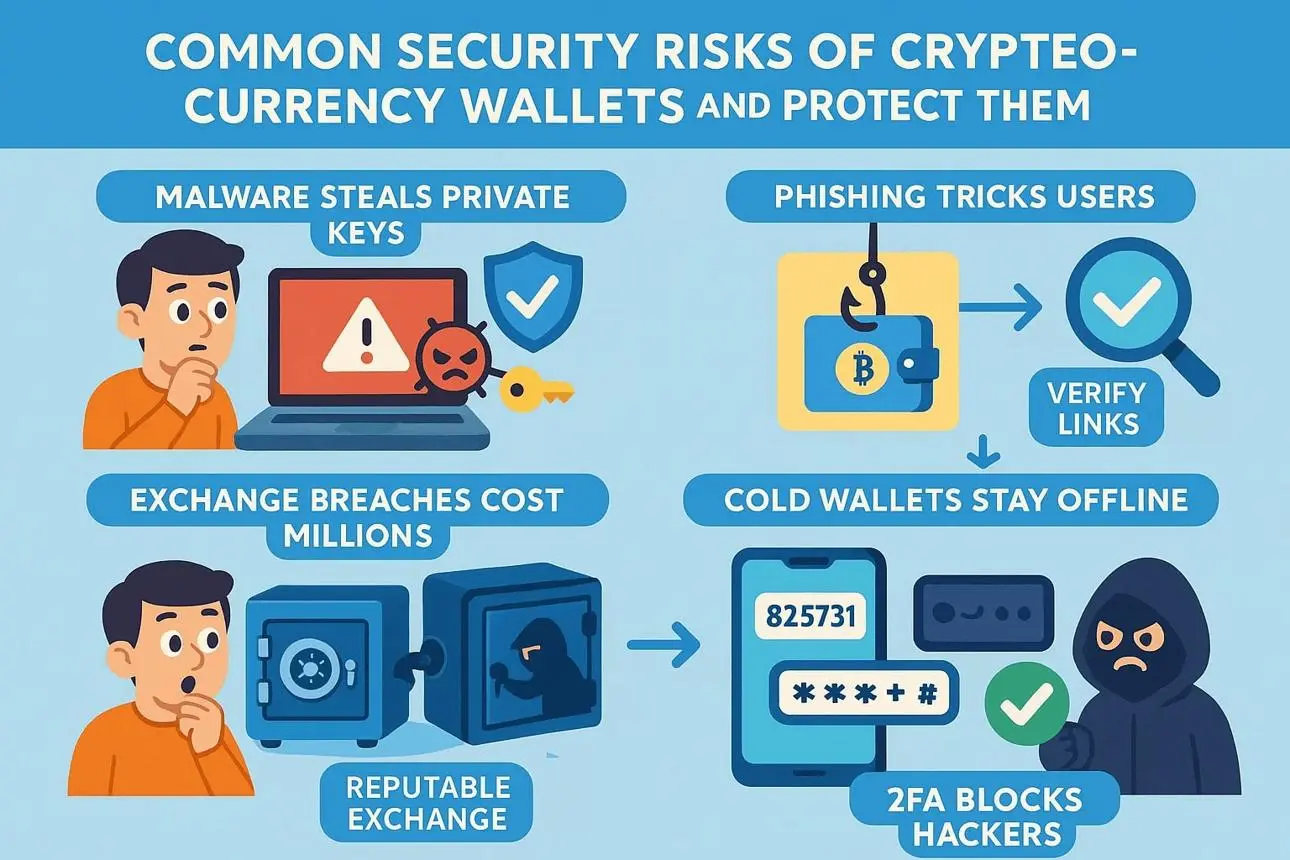
The recovery phrase, sometimes called a seed phrase, is the master key to a crypto wallet.
Anyone who gains access to this phrase can control the wallet and its contents.
For maximum security:
- Write the recovery phrase on paper.
- Store it in multiple secure offline locations.
- Never share it with anyone.
- Never save it in cloud storage or messaging applications.
- Avoid taking screenshots or digital photographs of the phrase.
Legitimate wallet providers will never ask users to reveal their recovery phrase.
Use Strong Wallet Security
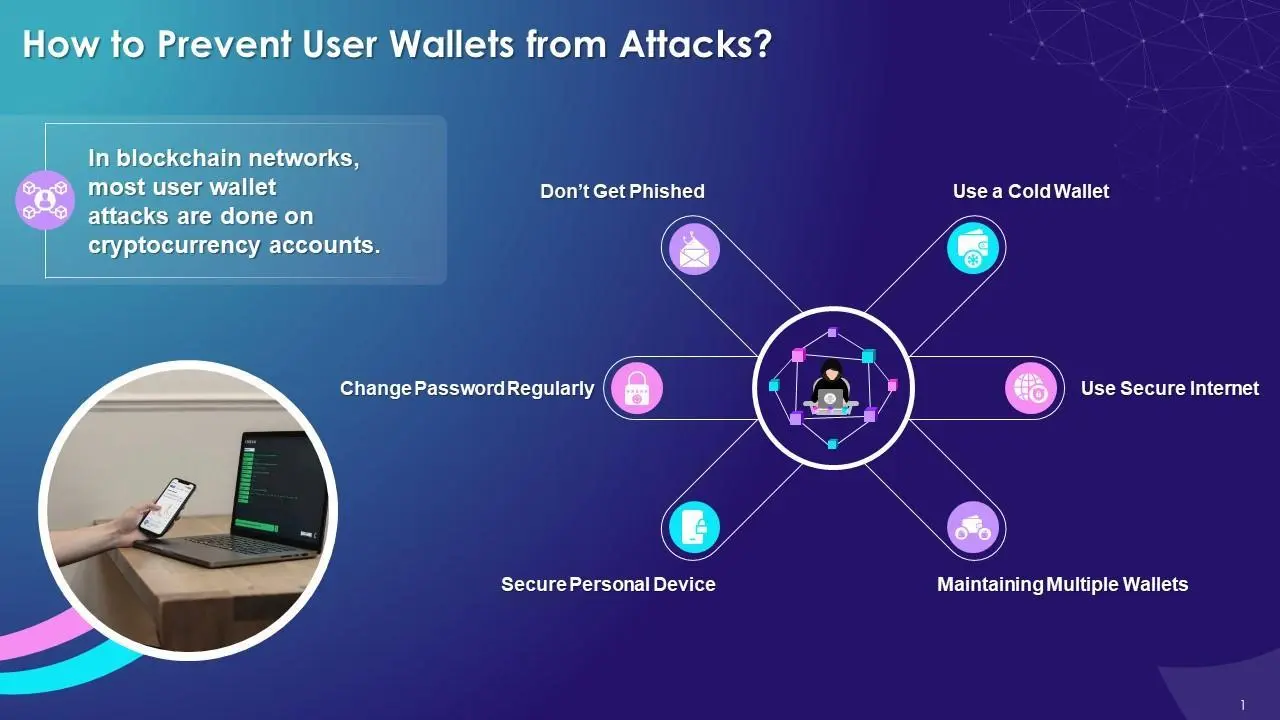
Creating strong passwords remains one of the simplest yet most effective security measures.
Users should:
- Create long and unique passwords.
- Avoid reusing passwords across different platforms.
- Enable two-factor authentication wherever available.
- Use reputable password managers if necessary.
These practices help prevent unauthorized account access.
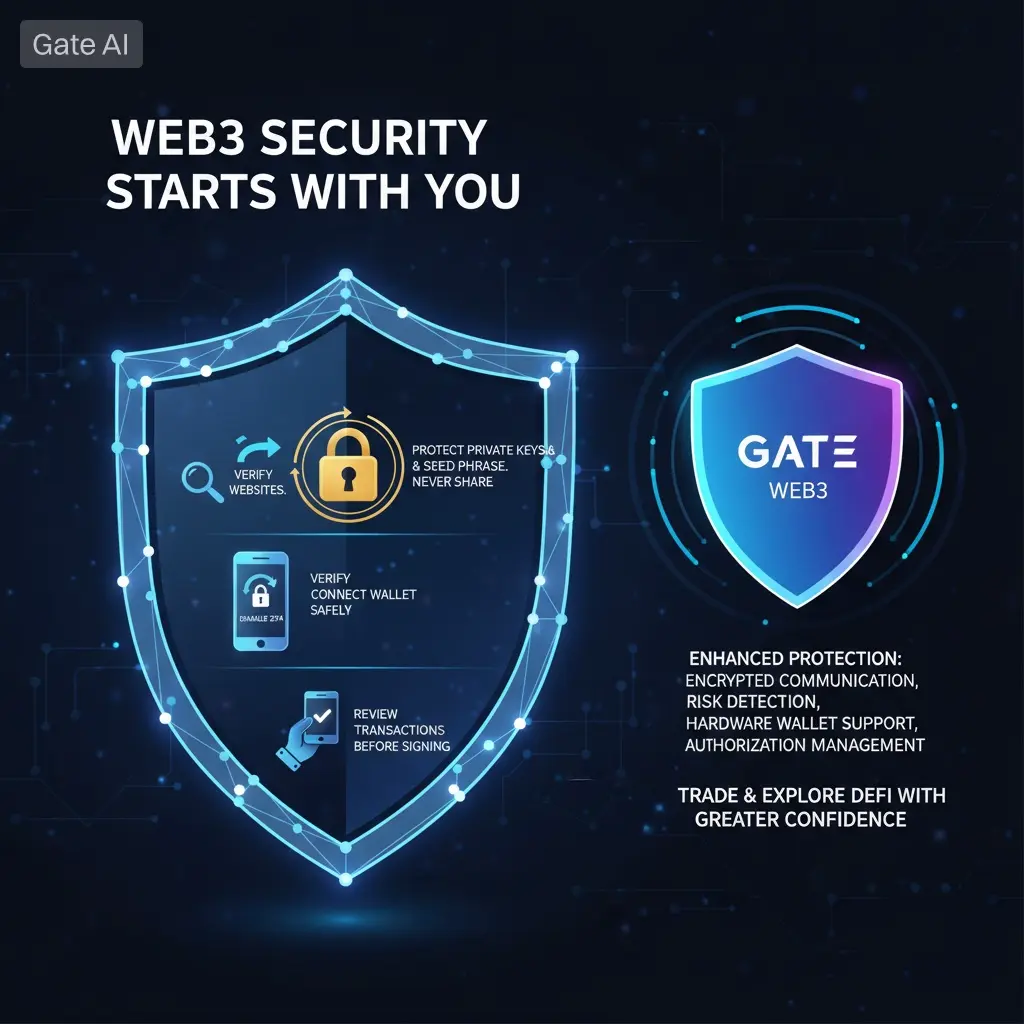
Verify Every Website
One of the most common threats in Web3 involves fake websites designed to imitate legitimate platforms.
Before connecting a wallet:
- Carefully check the website address.
- Bookmark trusted platforms.
- Avoid clicking unknown links received through social media or messaging apps.
- Confirm official announcements through verified communication channels.
Taking a few extra seconds to verify a website can prevent significant financial losses.
Be Careful With Wallet Connections
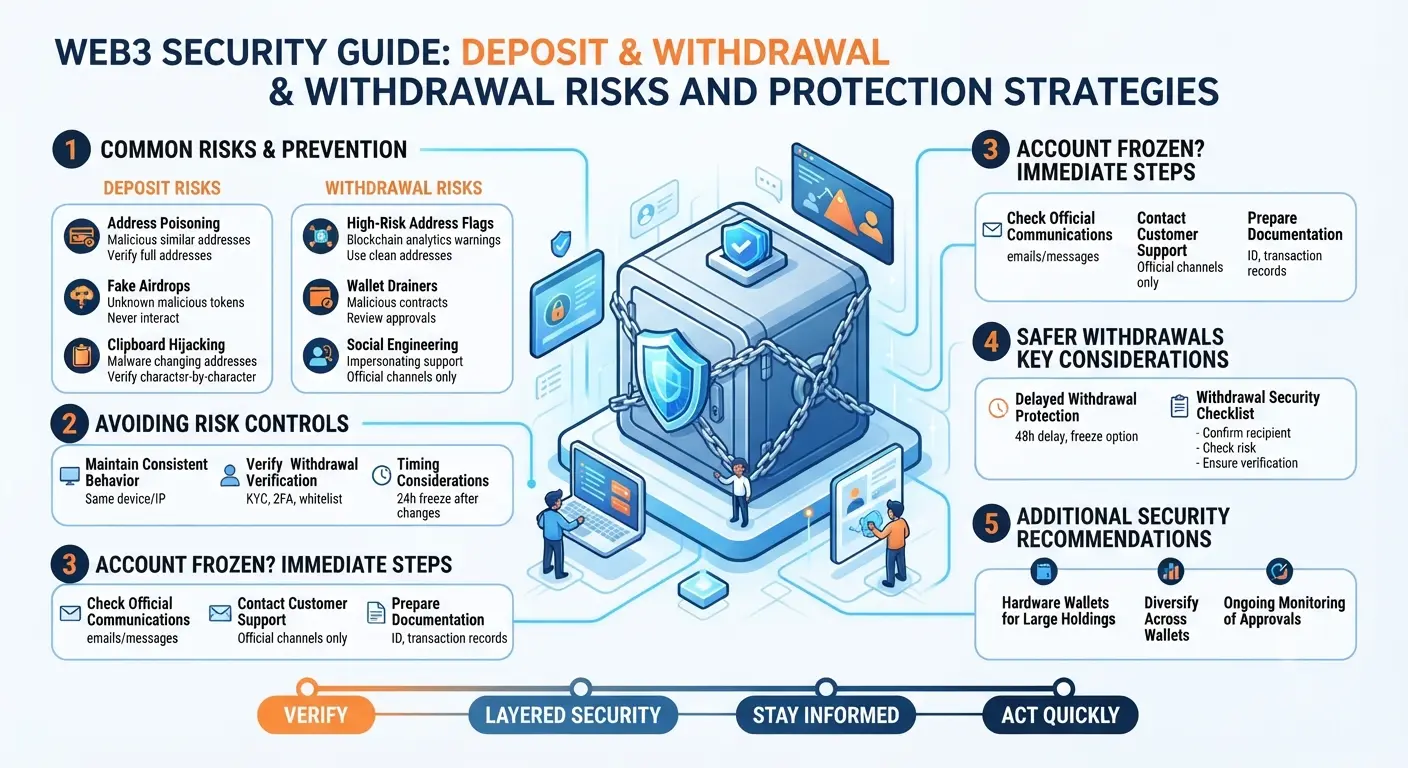
Every time a wallet connects to a decentralized application, permissions may be granted to interact with digital assets.
Users should:
- Connect only to trusted applications.
- Review requested permissions carefully.
- Disconnect wallets from unused applications.
- Regularly review and revoke unnecessary smart contract approvals.
Managing permissions reduces unnecessary exposure.
Understand Smart Contracts
Smart contracts automate blockchain transactions without intermediaries.
Although they provide powerful functionality, users should remember that not every smart contract has undergone independent security audits.
Before participating in decentralized finance protocols or new blockchain projects:
- Research the development team.
- Review available security audits.
- Understand how the protocol operates.
- Evaluate community reputation.
Informed decisions reduce unnecessary risk.
Watch for Social Engineering
Many security incidents begin with psychological manipulation rather than technical attacks.
Scammers often create urgency by claiming:
- Your wallet requires immediate verification.
- Funds are at risk.
- Limited-time rewards are available.
- Exclusive investment opportunities exist.
Users should remain calm and independently verify all requests before taking action.
Healthy skepticism is an important security tool.
Keep Software Updated
Software updates often contain important security improvements.
Users should regularly update:
- Wallet applications.
- Browsers.
- Mobile devices.
- Operating systems.
- Hardware wallet firmware.
Running current software reduces exposure to known vulnerabilities.
Consider Hardware Wallets
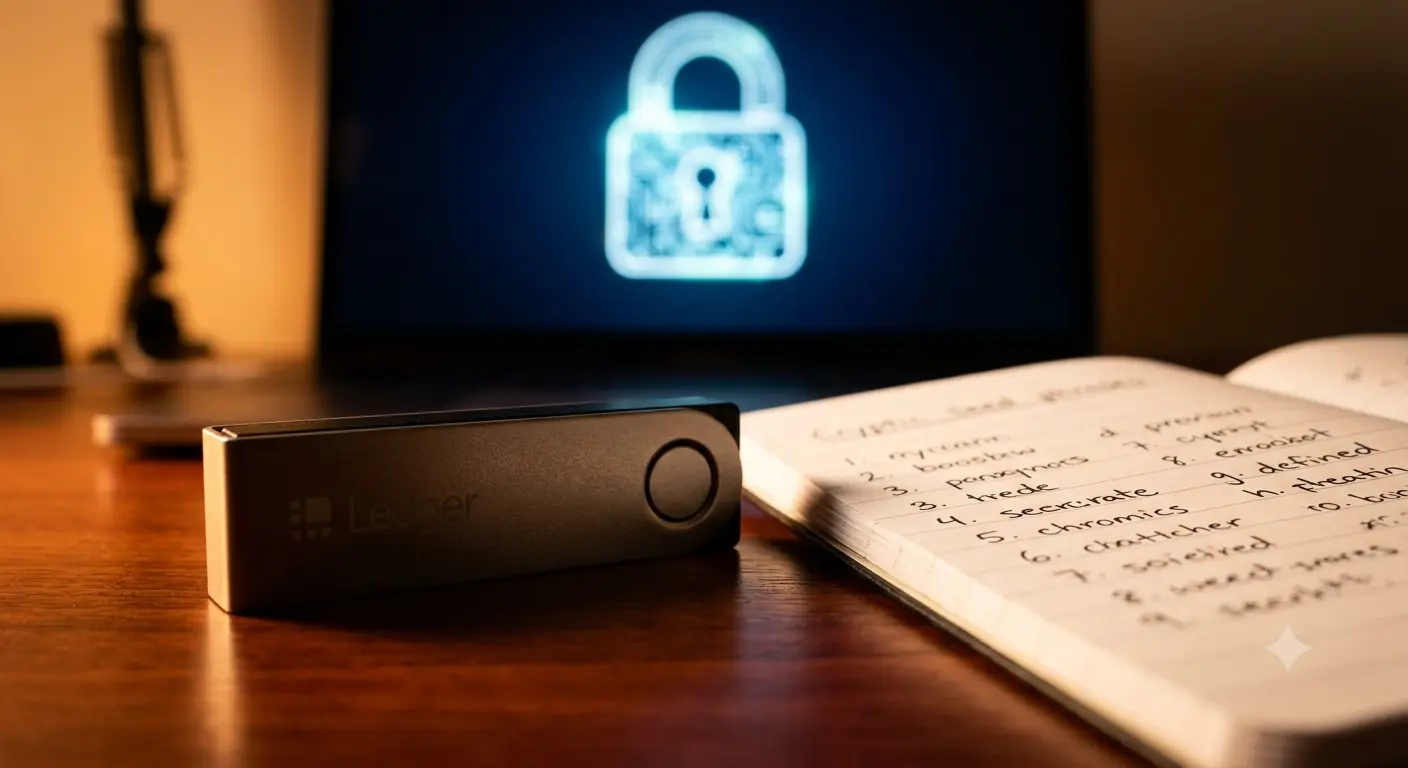
For users holding significant digital assets, hardware wallets provide an additional layer of protection.
These devices store private keys offline, making them less vulnerable to online attacks.
Hardware wallets are particularly valuable for long-term investors who do not require constant access to their funds.
Offline storage significantly improves overall security.
Diversify Asset Storage
Keeping all digital assets in one wallet increases potential risk.
Many experienced users separate funds into different wallets based on purpose.
For example:
- Daily transactions.
- Long-term investments.
- NFT collections.
- DeFi participation.
- Experimental projects.
Diversification limits potential exposure if one wallet becomes compromised.
Stay Informed
The blockchain industry evolves rapidly.
New technologies, security practices, and potential threats emerge regularly.
Users should continue learning through:
- Official blockchain documentation.
- Educational resources.
- Security research.
- Community discussions.
- Platform announcements.
Education remains one of the strongest forms of protection.
Think Before Every Transaction
Blockchain transactions are generally permanent.
Before approving any transfer:
- Verify recipient addresses carefully.
- Double-check transaction details.
- Confirm token amounts.
- Review network fees.
- Ensure the transaction matches your intentions.
Small mistakes can become irreversible.
Taking time before approving transactions helps avoid costly errors.
Building Long-Term Security Habits
Strong Web3 security is built through consistent habits rather than one-time actions.
Successful users develop routines that include:
- Regular wallet reviews.
- Secure backup management.
- Careful transaction verification.
- Continuous education.
- Responsible risk management.
These habits strengthen protection over time while supporting confident participation in decentralized finance.
The Future of Web3 Security
As blockchain adoption expands globally, security technologies continue improving.
Future innovations may include:
- Advanced wallet recovery methods.
- Improved smart contract auditing.
- AI-powered threat detection.
- Stronger authentication systems.
- Better decentralized identity solutions.
These developments aim to make Web3 both more secure and more accessible for users worldwide.
Final Thoughts
The growth of Web3 represents one of the most significant technological transformations of the digital age. Decentralized finance, blockchain applications, tokenized assets, and digital ownership continue creating new opportunities across multiple industries. However, with greater control comes greater responsibility.
Practicing strong Web3 security is essential for protecting digital assets and maintaining confidence in the decentralized ecosystem. By safeguarding recovery phrases, verifying websites, using trusted wallets, understanding smart contracts, enabling strong authentication, and continuously learning about emerging threats, users can significantly reduce risks while fully benefiting from everything the Web3 ecosystem has to offer.
Security is not a single tool or application. It is a mindset built through preparation, awareness, and responsible decision-making. As blockchain technology continues evolving, those who prioritize security today will be best positioned to participate safely in the future of decentralized digital finance.
Web3 Security Guide, Essential Practices for Protecting Your Digital Assets in the Decentralized World
Web3 has transformed the way people interact with the internet by introducing decentralized applications, blockchain technology, digital ownership, and peer-to-peer financial systems. Instead of relying on centralized institutions, users can directly control their assets, identities, and online activities through crypto wallets and smart contracts. While this innovation creates exciting opportunities, it also places greater responsibility on individuals to protect their own digital assets. Unlike traditional banking systems, blockchain transactions are generally irreversible, making security one of the most important aspects of participating in the Web3 ecosystem.
A strong understanding of Web3 security is essential for anyone using cryptocurrencies, decentralized finance, NFTs, blockchain games, or decentralized applications. Following proven security practices can significantly reduce risks and help users confidently navigate the growing digital economy.
Understanding Web3 Security
Web3 security refers to the practices, technologies, and habits used to protect digital assets, wallets, private keys, and blockchain accounts from unauthorized access or malicious activity.
Unlike centralized platforms where customer support may be able to reverse certain actions, Web3 users are largely responsible for securing their own accounts. This makes personal security awareness just as important as technological security.
The goal is not only to protect funds but also to safeguard digital identities and maintain control over blockchain assets.
Protect Your Recovery Phrase
The recovery phrase, sometimes called a seed phrase, is the master key to a crypto wallet.
Anyone who gains access to this phrase can control the wallet and its contents.
For maximum security:
- Write the recovery phrase on paper.
- Store it in multiple secure offline locations.
- Never share it with anyone.
- Never save it in cloud storage or messaging applications.
- Avoid taking screenshots or digital photographs of the phrase.
Legitimate wallet providers will never ask users to reveal their recovery phrase.
Use Strong Wallet Security
Creating strong passwords remains one of the simplest yet most effective security measures.
Users should:
- Create long and unique passwords.
- Avoid reusing passwords across different platforms.
- Enable two-factor authentication wherever available.
- Use reputable password managers if necessary.
These practices help prevent unauthorized account access.
Verify Every Website
One of the most common threats in Web3 involves fake websites designed to imitate legitimate platforms.
Before connecting a wallet:
- Carefully check the website address.
- Bookmark trusted platforms.
- Avoid clicking unknown links received through social media or messaging apps.
- Confirm official announcements through verified communication channels.
Taking a few extra seconds to verify a website can prevent significant financial losses.
Be Careful With Wallet Connections
Every time a wallet connects to a decentralized application, permissions may be granted to interact with digital assets.
Users should:
- Connect only to trusted applications.
- Review requested permissions carefully.
- Disconnect wallets from unused applications.
- Regularly review and revoke unnecessary smart contract approvals.
Managing permissions reduces unnecessary exposure.
Understand Smart Contracts
Smart contracts automate blockchain transactions without intermediaries.
Although they provide powerful functionality, users should remember that not every smart contract has undergone independent security audits.
Before participating in decentralized finance protocols or new blockchain projects:
- Research the development team.
- Review available security audits.
- Understand how the protocol operates.
- Evaluate community reputation.
Informed decisions reduce unnecessary risk.
Watch for Social Engineering
Many security incidents begin with psychological manipulation rather than technical attacks.
Scammers often create urgency by claiming:
- Your wallet requires immediate verification.
- Funds are at risk.
- Limited-time rewards are available.
- Exclusive investment opportunities exist.
Users should remain calm and independently verify all requests before taking action.
Healthy skepticism is an important security tool.
Keep Software Updated
Software updates often contain important security improvements.
Users should regularly update:
- Wallet applications.
- Browsers.
- Mobile devices.
- Operating systems.
- Hardware wallet firmware.
Running current software reduces exposure to known vulnerabilities.
Consider Hardware Wallets
For users holding significant digital assets, hardware wallets provide an additional layer of protection.
These devices store private keys offline, making them less vulnerable to online attacks.
Hardware wallets are particularly valuable for long-term investors who do not require constant access to their funds.
Offline storage significantly improves overall security.
Diversify Asset Storage
Keeping all digital assets in one wallet increases potential risk.
Many experienced users separate funds into different wallets based on purpose.
For example:
- Daily transactions.
- Long-term investments.
- NFT collections.
- DeFi participation.
- Experimental projects.
Diversification limits potential exposure if one wallet becomes compromised.
Stay Informed
The blockchain industry evolves rapidly.
New technologies, security practices, and potential threats emerge regularly.
Users should continue learning through:
- Official blockchain documentation.
- Educational resources.
- Security research.
- Community discussions.
- Platform announcements.
Education remains one of the strongest forms of protection.
Think Before Every Transaction
Blockchain transactions are generally permanent.
Before approving any transfer:
- Verify recipient addresses carefully.
- Double-check transaction details.
- Confirm token amounts.
- Review network fees.
- Ensure the transaction matches your intentions.
Small mistakes can become irreversible.
Taking time before approving transactions helps avoid costly errors.
Building Long-Term Security Habits
Strong Web3 security is built through consistent habits rather than one-time actions.
Successful users develop routines that include:
- Regular wallet reviews.
- Secure backup management.
- Careful transaction verification.
- Continuous education.
- Responsible risk management.
These habits strengthen protection over time while supporting confident participation in decentralized finance.
The Future of Web3 Security
As blockchain adoption expands globally, security technologies continue improving.
Future innovations may include:
- Advanced wallet recovery methods.
- Improved smart contract auditing.
- AI-powered threat detection.
- Stronger authentication systems.
- Better decentralized identity solutions.
These developments aim to make Web3 both more secure and more accessible for users worldwide.
Final Thoughts
The growth of Web3 represents one of the most significant technological transformations of the digital age. Decentralized finance, blockchain applications, tokenized assets, and digital ownership continue creating new opportunities across multiple industries. However, with greater control comes greater responsibility.
Practicing strong Web3 security is essential for protecting digital assets and maintaining confidence in the decentralized ecosystem. By safeguarding recovery phrases, verifying websites, using trusted wallets, understanding smart contracts, enabling strong authentication, and continuously learning about emerging threats, users can significantly reduce risks while fully benefiting from everything the Web3 ecosystem has to offer.
Security is not a single tool or application. It is a mindset built through preparation, awareness, and responsible decision-making. As blockchain technology continues evolving, those who prioritize security today will be best positioned to participate safely in the future of decentralized digital finance.