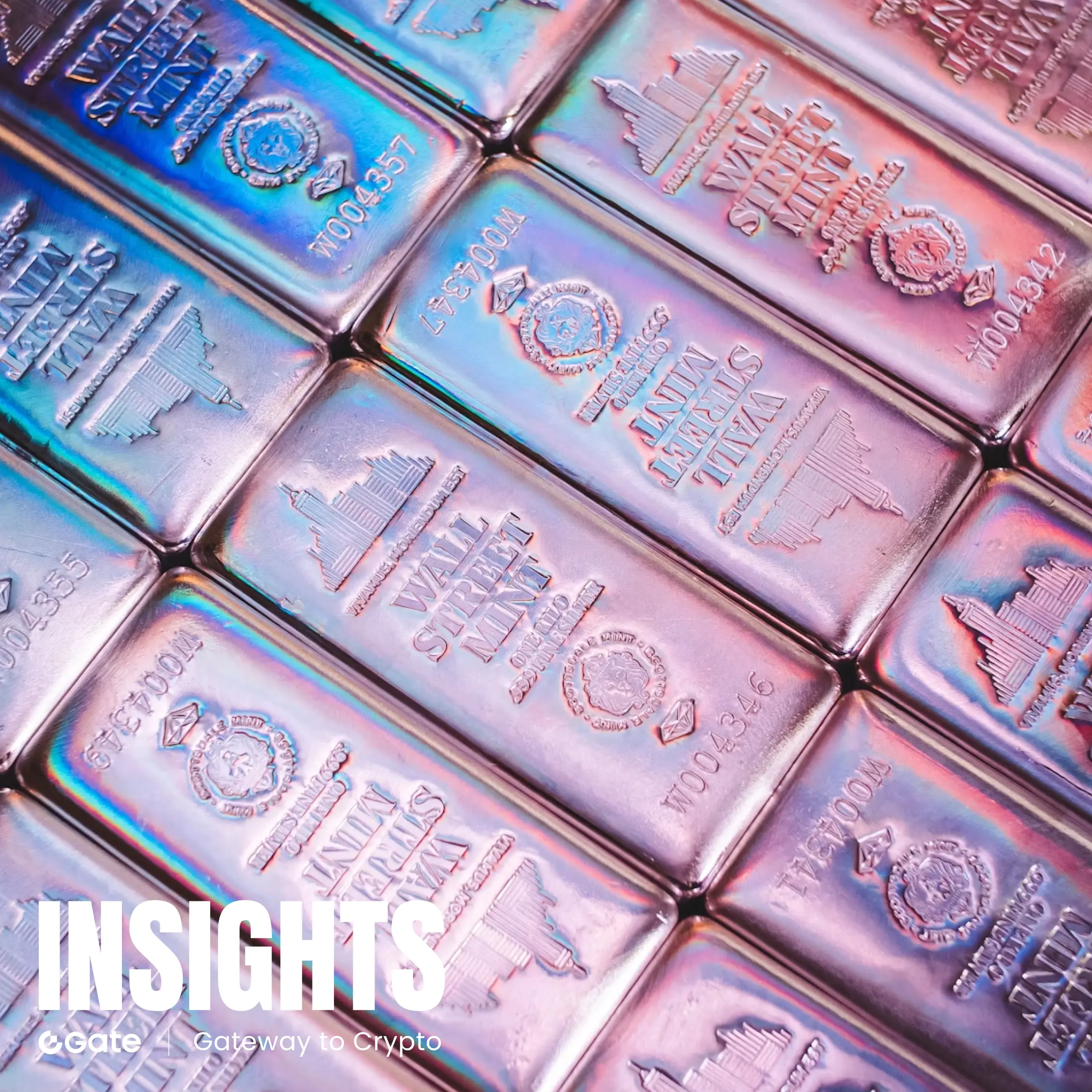
 In May 2026, the silver market is undergoing a pricing revaluation driven by a high degree of convergence in institutional views. In recent research reports, UBS, HSBC, and Macquarie have collectively released bearish signals—a situation that is uncommon in the precious metals space. As of May 28, 2026, according to [Gate TradFi](https://www.gate.com/zh/tradfi) market data, XAG is quoted at $73.9, slightly rebounding from the intraday low of $71.7, with the 24-hour decline narrowing to 1%. Compared with the extreme volatility on January 28, 2026, when it broke above $120 per troy ounce and then crashed by nearly 30% in a single day, the current price has fallen back into a relatively low range.
The bearish logic from the three institutions differs in emphasis. UBS argues from the perspective of industrial demand that the roughly 140% rally in 2025 has already formed real headwinds for downstream manufacturing. HSBC, meanwhile, offers a valuation-based view, saying “the fundamentals are overestimated” and that silver’s upside potential is extremely limited. Macquarie takes a macro-policy angle, expecting the Fed to raise rates again in the first half of 2027, which would exert systemic pressure on precious metals from the interest-rate side.
Why the surge in silver prices backfires on industrial demand
Silver has dual attributes: it is both a precious metal and an industrial raw material. About 50% of silver demand comes from industrial sectors such as photovoltaic power, electronics, and electric vehicles. After silver prices surged from a low level to $120 in 2025—an increase of about 140%—the move has been historically extreme. UBS explicitly states in its report that this rally has clearly suppressed downstream industrial demand.
Industrial users are highly sensitive to raw-material prices. When silver prices double or more in the short term, manufacturing companies face intense pressure from sharply rising costs. Many end-product contracts use quarterly or annual pricing, making it difficult for manufacturers to pass the sudden spike in raw-material costs immediately to downstream customers. This means corporate profit margins are compressed substantially; some firms are forced to cut purchases, look for substitute materials, or delay order deliveries.
UBS further warns that as long as silver prices remain at the current level above $70 to $80, the demand contraction trend may persist. This reverses the market expectation formed before the 2025 price surge—that “a high price equals high optimism in demand.” The price jump not only failed to validate demand resilience, but instead exposed the industrial side’s limited ability to tolerate high prices.
Why silver lacks the strategic demand anchor that gold has
In its analysis, UBS raises a key distinction: the demand structure of silver and gold is fundamentally different. In gold demand, central bank gold buying, ETF holdings, and physical investment account for a substantial share. Since 2022, central banks worldwide have continued to add to their gold reserves, creating a stable strategic buying base. This demand is less sensitive to price volatility, and in some cases actually accelerates purchases during upward price cycles.
Silver, however, lacks this “strategic demand anchor.” Central banks globally hardly treat silver as a reserve asset. Silver’s industrial attributes tie its demand closely to global manufacturing cycles, and manufacturing conditions themselves are extremely sensitive to interest rates, the trade environment, and inventory cycles. When silver prices rise, industrial users reduce purchases; when silver prices fall, investment demand may recover, but its scale and stability are far inferior to central bank gold purchases.
This structural difference means that, in rotations among precious metals, silver often plays the role of an “amplifier”—greater elasticity on the way up, but lacking a cushioning mechanism on the way down. UBS therefore judges that, in the current environment, silver is a “lackluster” allocation choice. This conclusion also serves as a clear risk warning for investors holding net long silver positions.
How a shift in macro policy suppresses precious metals valuations
Macquarie’s view provides a macro-level analytical framework. The firm expects the Fed may raise rates again in the first half of 2027. This sharply diverges from earlier market expectations that the Fed would enter a rate-cut cycle.
Rate hikes affect precious metals mainly through two transmission channels. First, rising real interest rates increase the opportunity cost of holding non-yielding assets like silver. When bond yields rise, capital tends to flow out of precious metals and into fixed-income assets. Second, a strong U.S. dollar is typically negatively correlated with precious metal prices. Rate-hike expectations support the dollar exchange rate, creating additional pressure on silver priced in USD.
Macquarie further warns that under scenarios where the macro backdrop deteriorates further, silver prices face significant downside risk. “Macroeconomic deterioration” here could point to an inflation rebound, an overheated job market, or supply-chain secondary shocks triggered by geopolitical conflicts. Whatever the trigger, rate-hike expectations alone have already changed the risk-pricing logic in the silver market. Investors need to reassess the risk-reward ratio of holding silver during an interest-rate rising cycle.
What expanding the gold-silver ratio implies
In its report, HSBC presents another key judgment: the gold-silver ratio may widen in the future, and silver may weaken relative to gold. The gold-silver ratio measures the ratio of the gold price per troy ounce to the silver price. The ratio is currently at a relatively high level versus its historical median, but HSBC believes there is still upside room for the ratio.
The basis for a wider gold-silver ratio lies in the fact that the drivers for gold and silver are diverging. Gold benefits from central bank gold buying, geopolitical safe-haven demand, and a trend toward de-dollarization—factors that are less price-sensitive and more persistent. Silver, on the other hand, faces dual pressure from weakening industrial demand and rate-hike expectations, and it lacks support from strategic buying. When gold can remain relatively firm, silver may accelerate its decline due to worsening fundamentals, thereby widening the ratio.
For cross-asset allocators, a wider gold-silver ratio expectation implies two potential action directions: first, consider a relative-value strategy—go long gold while shorting silver; second, reassess silver’s weight in a precious-metals portfolio and reduce silver exposure moderately when the macro environment turns unfavorable. HSBC’s view is not aimed at short-term trading, but rather a structural mid-term forecast of relative strength/weakness.
What silver volatility can teach about crypto assets
Can the institutional bearish logic behind silver provide a reference for risk management of digital assets?
Silver and crypto assets share several similarities. Both lack strategic buying support at a central-bank level, and price volatility is highly sensitive to liquidity and market sentiment. Silver’s industrial-demand logic and crypto assets’ application/utility demand both fall under the category of “fundamental validation.” When prices rise away from fundamentals too quickly, the subsequent demand-validation period is often accompanied by sharp pullbacks—silver’s 2025 to 2026 trajectory is a typical example.
In addition, the impact direction of Fed rate-hike expectations on both silver and crypto assets tends to align. Both are non-yielding assets, so they face valuation pressure during interest-rate rising cycles. The logic chain proposed by Macquarie—“macro deterioration → rate hikes → precious metals under pressure”—can similarly be applied to scenario analysis for crypto assets’ risks.
But there are also fundamental differences. Silver has established futures, ETF, and physical settlement markets, with relatively transparent liquidity depth and market structure. The crypto market is still in the process of building its underlying infrastructure, and the regulatory environment and custody mechanisms continue to evolve. This means the way crypto assets manifest risk differs from silver, but the analytical framework for macro transmission mechanisms can be partially transferred and used.
Outlook
The silver market is undergoing a round of pricing revaluation driven by collective institutional bearishness. UBS points to the adverse feedback effect of price spikes from the angle of shrinking industrial demand; HSBC judges that “fundamentals are overestimated” from a valuation perspective; and Macquarie warns of rate-hike risks amid a macro policy shift. Although the three institutions emphasize different angles in their frameworks, their core conclusion is highly consistent: silver has limited upside potential in the current environment, and downside risks are accumulating.
Silver’s key feature that differentiates it from gold is the lack of a strategic demand anchor, which leaves it under dual pressure in an environment of rising rates and slowing manufacturing. Expanding expectations for the gold-silver ratio further reinforces the assessment that silver is relatively weaker. For crypto investors, silver’s volatility case provides an important reference for the “fundamentals validation period” and macro transmission mechanisms, but the two markets differ fundamentally in market structure and risk characteristics.
FAQ
Q1:How do UBS, HSBC, and Macquarie’s bearish logics for silver differ?
UBS focuses on weakening industrial demand, noting that the roughly 140% rally in 2025 has already suppressed downstream procurement willingness. HSBC judges “fundamentals are overestimated” from a valuation perspective, believing upside is limited. Macquarie focuses on macro policy and expects the Fed may raise rates in the first half of 2027, exerting systemic pressure on precious metals.
Q2:What are the core differences in demand structure between silver and gold?
Gold has strategic demand anchors such as central bank gold buying and ETF holdings, making it less sensitive to price. About 50% of silver demand comes from the industrial sector; it lacks stable, central-bank-level buying, and price volatility is highly sensitive to the manufacturing cycle.
Q3:What does an expanding gold-silver ratio mean for investors?
An expanding gold-silver ratio means silver weakens relative to gold. Investors may consider relative-value strategies, or re-evaluate silver’s weight in a precious-metals portfolio. HSBC believes there is upside room for the gold-silver ratio.
Q4:How do Fed rate hikes affect silver prices?
Rate hikes transmit through two channels: first, they raise the opportunity cost of holding non-yielding assets, shifting capital toward fixed income; second, they support the U.S. dollar exchange rate, creating pressure on silver priced in USD.


