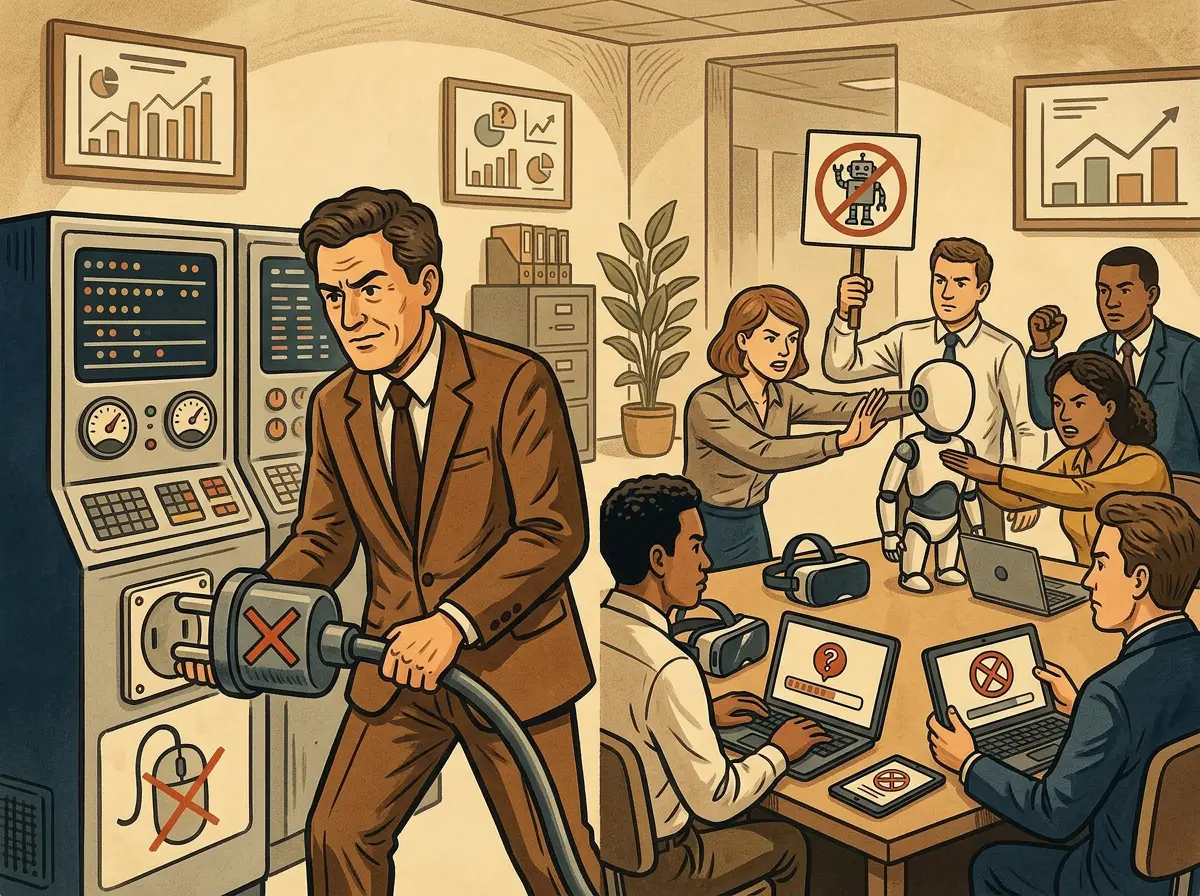
Meta’s Vice President of the Supervised Intelligence Lab, Steven Castriel, announced in an internal memo on June 2 that Meta is partially rolling back its employee mouse movement and keyboard input tracking program. Employees can now pause the tracking software for up to 30 minutes at a time, and can apply for a full exemption. The program originally began on April 22, using software installed on U.S. employees’ laptop computers for training AI agent systems.
Original Monitoring Plan: Started on April 22, No Opt-Out Option
On April 22, Meta installed monitoring software on U.S. employees’ laptops that could track mouse movement, clicks, and keystrokes. When the program went live, employees had no option to opt out. Some employees described the plan as “training their own successor,” and expressed concerns about personal data privacy.
A Meta spokesperson said regarding the purpose of the program: “If we are building agents to help people use computers to accomplish their everyday tasks, then our model needs real examples of people using them in practice.”
Employee Resistance: Flyers, Petitions, and UTAW Union Involvement
Resistance actions were carried out through multiple channels. Flyers appeared in conference rooms, vending machines, and restrooms across several U.S. offices, directing employees to an online petition opposing the program. Both the flyers and the petition cited the National Labor Relations Act, stating that workers are legally protected when organizing to improve working conditions. According to a report by The New York Times, hundreds of employees also voiced opposition through Meta’s internal channels.
In the UK, Meta employees began working with the Communications Workers Union (CBU) and the Union of Technical and Related Industries Workers Association (UTAW) to push organizing efforts. UTAW organizer Eleanor Payne publicly said that employees faced “devastating layoffs, harsh surveillance, and being forced to train on inefficient systems that will replace them.”
Three Adjustments Announced by Meta: Pause Mechanism, Exemption Application, and Software Optimization
In a Tuesday internal memo, Steven Castriel confirmed the following changes:
Pause mechanism: Employees can pause the tracking software for up to 30 minutes at a time
Exemption application: Employees can submit an application to be fully exempt from joining the program
Software optimization: Technical optimization has been made to address issues reported by employees, including reduced battery life and increased home network data usage
Castriel said in the memo: “We’ve also heard your concerns about personal data on work equipment, battery life, and your desire to better control the timing of data collection.” Meta has not announced a complete cancellation of the program, and the monitoring software continues to be deployed.
Frequently Asked Questions
Why does Meta track employees’ mouse movements and keyboard input?
According to Meta’s official statement, this behavioral data is used to train AI agent systems so they can mimic how real users perform everyday computer tasks, helping AI agents learn how to independently complete computerized work tasks.
What specific results did employee resistance achieve, and was the program fully canceled?
Employee resistance led Meta to announce three adjustments: allowing a 30-minute pause of tracking each time, allowing applications for full exemption, and optimizing the software to reduce battery consumption and network traffic. The program was not fully canceled, and the monitoring software continues to be deployed on U.S. employees’ laptop computers.
How do union organizing actions by Meta employees in the UK differ from those by employees in the U.S.?
Meta employees in the UK carried out formal union organizing actions through UTAW (the Union of Technical and Related Industries Workers Association), while employee resistance in the U.S. mainly took the form of flyers, petitions, and opposition through internal channels, and cited the National Labor Relations Act to protect workers’ right to organize. The combination of resistance efforts in both places ultimately pushed Meta to adjust its policy.


