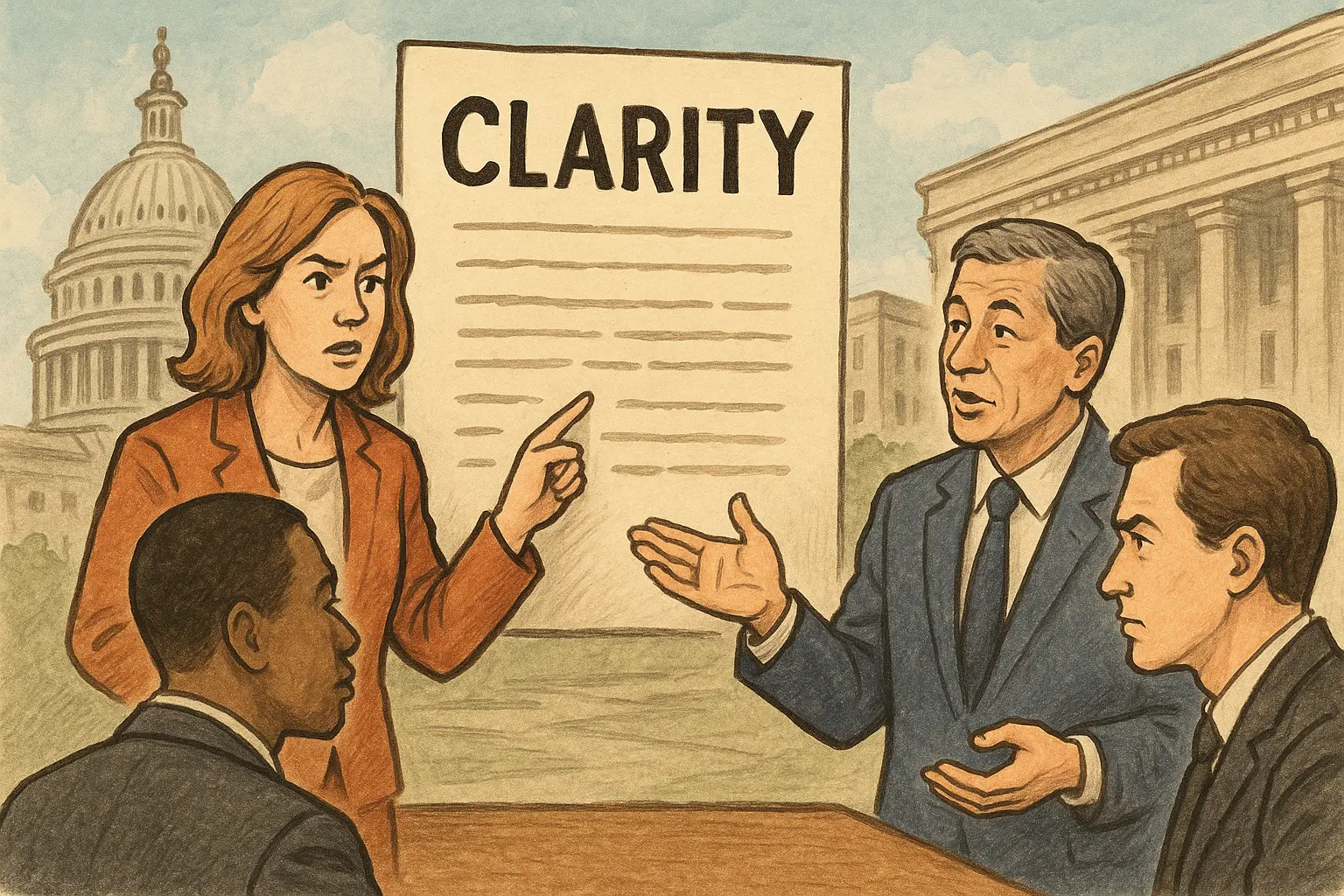
JPMorgan Chase published a report on Wednesday saying that negotiations on the U.S. “CLARITY Act” are nearing the end, and that the number of disputed items—originally as many as a dozen—has been reduced to “2 to 3”; the report also noted that the issue of “stablecoin yield” is moving in a more optimistic direction. The “CLARITY Act” is intended to establish a regulatory framework for the cryptocurrency industry, including delineations of jurisdiction between the SEC and CFTC, stablecoin rules, and more.
Key Findings from the JPMorgan Chase Report
According to JPMorgan Chase’s report released on Wednesday, discussions between lawmakers and regulators show that disputed items have been reduced from the original dozen-plus to “2 to 3.” A statement from a Senate staffer cited in the report said that the legislative draft “is nearing completion,” and that the remaining disputes mainly focus on DeFi regulation and token classification. JPMorgan Chase said in its report that the latest version of the draft may gain support from both the cryptocurrency industry and traditional financial institutions.
The Three Core Regulatory Issues of the CLARITY Act
Based on publicly available information, the core regulatory direction of the “CLARITY Act” is:
Jurisdictional split: clearly defining the boundary of responsibilities between the SEC and the CFTC in regulating crypto assets
Stablecoin rules: covering compliance requirements for stablecoin issuers, including whether it’s allowed to offer yield incentives to users
DeFi platform rules: setting regulatory standards for decentralized finance platforms
Background on the Stablecoin Yield Dispute and Legislative Timeline Risks
According to the JPMorgan Chase report, the stablecoin yield issue previously faced opposition from the traditional banking sector. Banks believed that allowing stablecoin issuers to offer yield incentives to users, without equivalent regulatory requirements, amounts to a disguised deposit-taking business. JPMorgan Chase’s latest report said that the issue is currently moving in a more optimistic direction.
Regarding legislative timeline risks, JPMorgan Chase said in its report that the final text of the “CLARITY Act” has not been released, and Congress has not scheduled a specific voting timeline. The report also mentioned that there is uncertainty surrounding the 2026 midterm elections, and based on market expectations, Democrats could potentially regain control of the House of Representatives, which may affect the legislative priority order for crypto-related legislation at that time.
Frequently Asked Questions
What are the main findings of the JPMorgan Chase report?
According to the report JPMorgan Chase published on Wednesday, negotiations on the “CLARITY Act” are nearing the end, with disputed items reduced from more than a dozen to “2 to 3.” A Senate staffer statement cited in the report said the draft is “nearing completion,” and that the remaining disputes focus on DeFi regulation and token classification.
What core regulatory issues does the “CLARITY Act” cover?
Based on publicly available information, the core regulatory direction of the “CLARITY Act” includes: the jurisdictional split between the SEC and CFTC for crypto asset oversight; compliance rules for stablecoin issuers (including the yield issue); and regulatory standards for DeFi platforms.
What is the main focus of the stablecoin yield dispute?
According to the JPMorgan Chase report, the traditional banking sector believes that allowing stablecoin issuers to offer yield incentives to users, without equivalent regulatory requirements, constitutes disguised deposit-taking; JPMorgan Chase’s latest report said that the issue is currently moving in a more optimistic direction.


