Data as of July 20, 2026 (based on the latest S-1/A)
Executive Summary
-
The IPO is primarily a capital-structure transaction: Jersey Mike’s offering is mainly intended to repay debt incurred in connection with Blackstone’s acquisition and provide liquidity for existing shareholders, rather than raise capital to fund business expansion. Blackstone is expected to retain control following the IPO.
-
The franchise model is attractive, but growth is becoming more mature: Approximately 99% of the system is franchised, supporting an asset-light model and strong cash generation. The company still has room to expand in the United States, while digital membership and international expansion provide longer-term growth opportunities. However, revenue growth, same-store sales growth, and new store openings have already begun to slow.
-
GAAP earnings are distorted by acquisition accounting and leverage: Following Blackstone’s acquisition, purchase accounting under pushdown accounting significantly increased depreciation and amortization expense. Combined with the high interest expense associated with approximately $2.1 billion of acquisition-related debt, reported net income does not fully reflect underlying operating performance. Adjusted EBITDA is therefore a more useful measure of the company’s core earnings capacity.
-
Franchisee unit economics remain attractive: In 2025, average unit volume was approximately $1.36 million, store-level margin was about 16%, cash-on-cash return was approximately 42%, and the estimated payback period was around 2.4 years. These economics support continued expansion by existing franchisees, although the figures are largely based on franchisee-reported data.
-
Leverage will decline after the IPO but remain elevated: Following the offering, net debt is expected to fall to approximately $1.6 billion, implying net leverage of roughly 4.0x–4.7x EBITDA. This represents an improvement from pre-IPO levels, but leverage would still remain above that of most asset-light franchised restaurant companies.
-
Valuation appears slightly rich, although $21 is acceptable: The author estimates a reasonable valuation range of 18x–22x EV/Adjusted EBITDA. Based on the current offering price range, $21 per share falls within the reasonable valuation range but sits slightly above its midpoint.
Introduction
Jersey Mike’s is a U.S. submarine sandwich chain built primarily around a franchise model. Its IPO is better characterized as a private-equity exit and deleveraging transaction than as a conventional growth-capital raise. The company filed its S-1 registration statement with the SEC on July 2, 2026, and submitted Amendment No. 1 on July 20. The current indicative offering price range is $21–$25 per share, and the IPO had not yet been formally priced as of the date of this report.
Blackstone is the company’s controlling shareholder following its acquisition of Jersey Mike’s in 2025 and is expected to retain control after the IPO. Based on the currently disclosed offering structure, the proceeds will be used primarily to repay securitized debt incurred in connection with the acquisition, while a significant portion of the shares offered will be sold by existing shareholders. The transaction therefore primarily reflects balance-sheet optimization and shareholder liquidity arrangements, rather than a substantial capital raise to support business expansion. As the IPO has not yet been finally priced, all valuation analysis in this report is based on the current indicative price range.
1. Business Quality: An Attractive Asset-Light Franchise Model, but Growth Is Entering a More Mature Phase
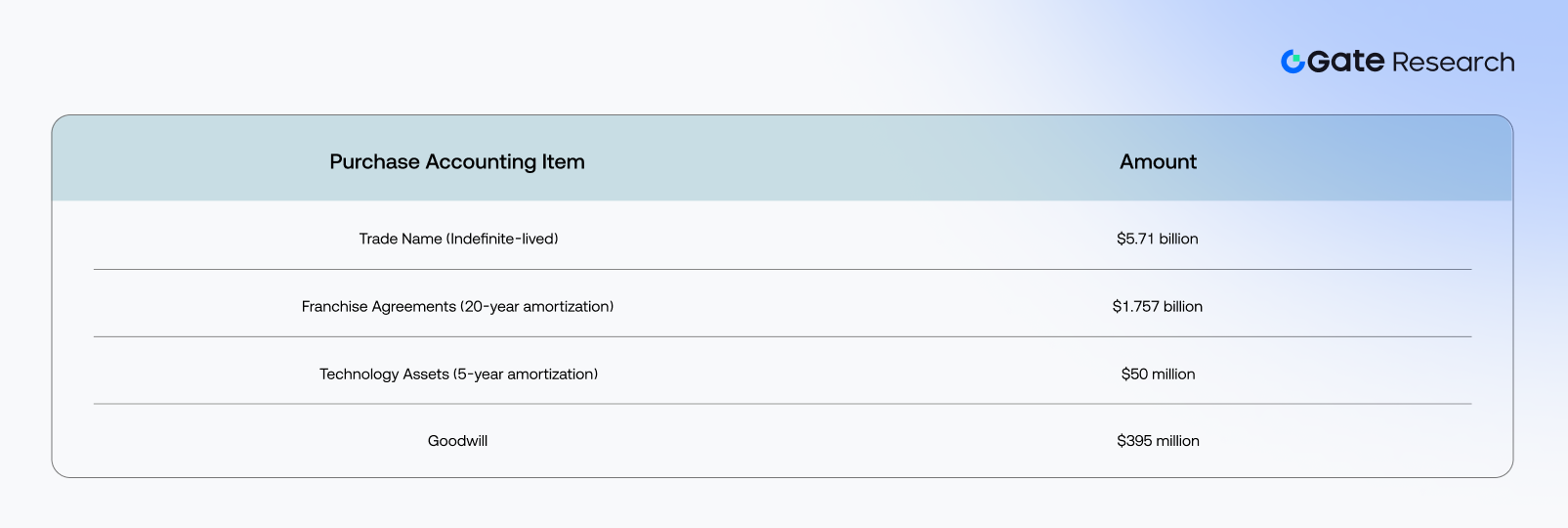
Jersey Mike's traces its origins to 1956. Founder Peter Cancro acquired the original store in 1975 and launched the company's franchising program in 1987. The business remained founder-controlled until November 2024, when Blackstone announced the acquisition of a majority stake. The transaction reflected a purchase accounting value of $6.317 billion, while the founders retained a 10% non-controlling interest with a fair value of $632 million, leaving Blackstone with a 90% controlling interest. In announcing the acquisition, Blackstone highlighted domestic and international expansion, as well as investments in technology and digital capabilities, as key strategic priorities.
Following the acquisition, Jersey Mike's adopted pushdown accounting, under which the company's assets and liabilities were remeasured to fair value as of the acquisition date. This largely explains why depreciation and amortization expense increased from approximately $10 million in 2024 to roughly $96 million in 2025. As a result, reported net income is not directly comparable with pre-acquisition periods, making the P/E multiple a less meaningful valuation metric. Accordingly:
Jersey Mike's is not a traditional restaurant operator but rather a highly franchised restaurant system. As of the end of June 2026, the company operated only 36 company-owned restaurants, which primarily serve as facilities for training, product development, equipment testing, and operational innovation. Approximately 99% of the system is franchised. The company's revenue is derived primarily from franchise fees and recurring royalty income, resulting in relatively low capital expenditures and higher-quality operating cash flow than company-operated restaurant chains. Over the past three years, the business has maintained steady growth.
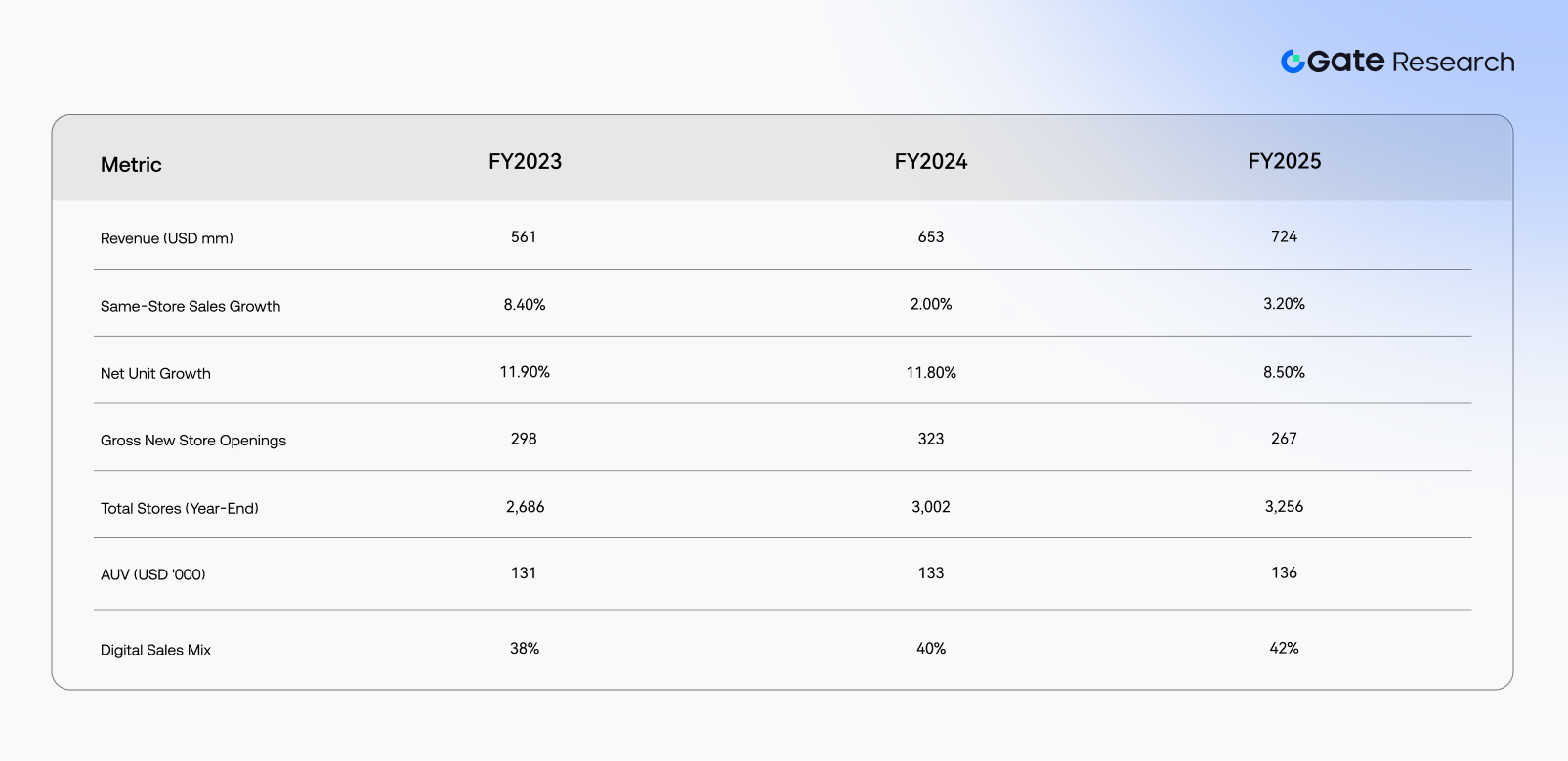
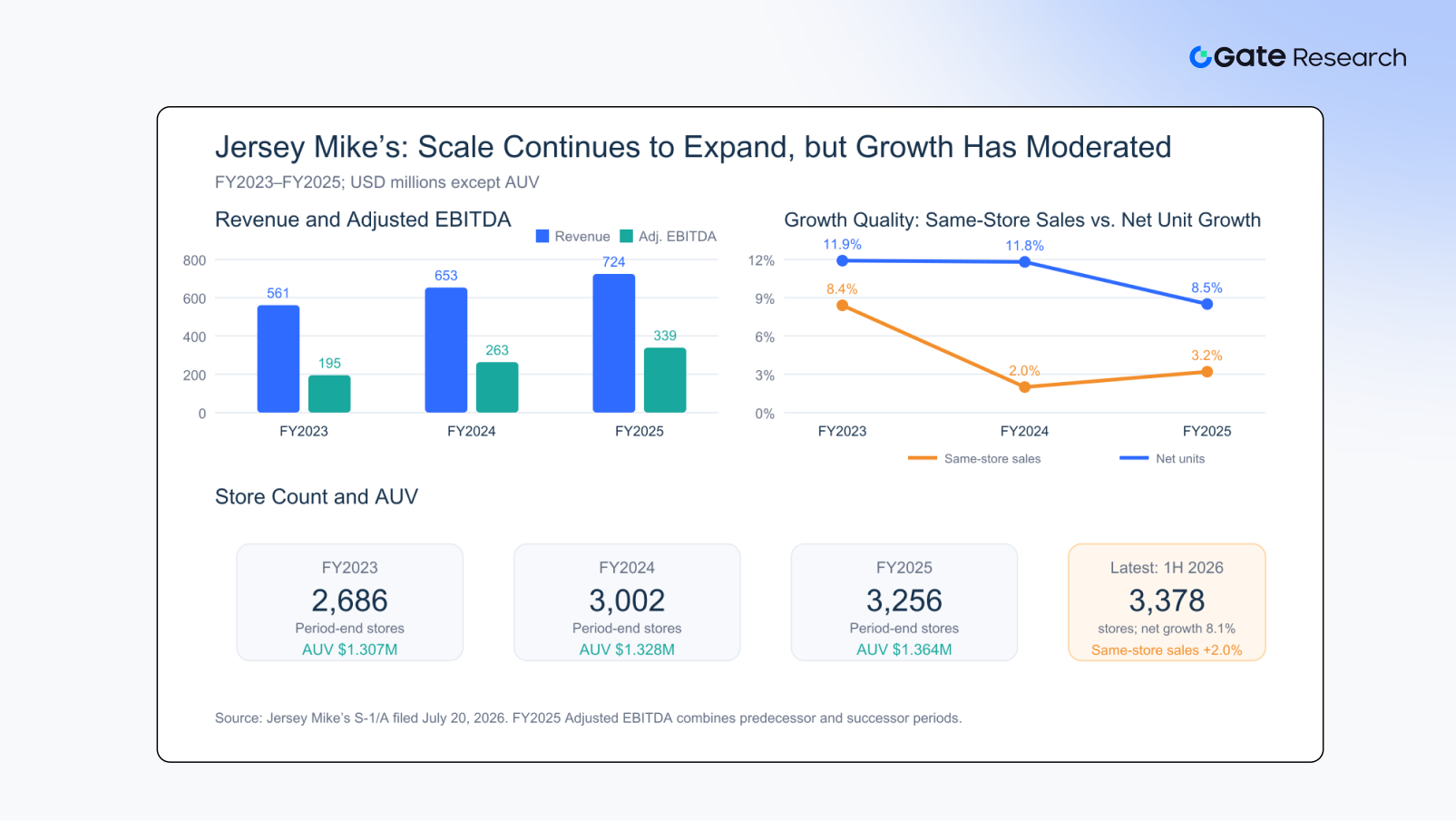
Revenue increased by approximately 29% cumulatively over the past two years, driven primarily by continued unit expansion and positive same-store sales growth. Compared with the rapid post-pandemic expansion period, however, 2025 saw moderation in revenue growth, same-store sales growth, and net new unit additions, indicating that the company is gradually transitioning toward the more typical growth profile of a mature restaurant franchise brand.
1.1 Future Growth Drivers
Management identifies four primary growth drivers for the business:
-
U.S. Unit Expansion: Management believes the U.S. market can ultimately support approximately 7,500 restaurants, with a long-term global target of around 15,000 locations.
-
Same-Store Sales Growth: Continued brand premium, menu innovation, pricing initiatives, and digital marketing are expected to support comparable-store sales growth.
-
Digital Ecosystem and Loyalty Program: Digital sales accounted for 42% of system sales in 2025, while the MyMike's loyalty program surpassed 12.5 million active members, representing approximately 62% growth since 2021.
-
International Expansion: In Canada, the company has signed a development agreement covering 300 restaurants, with early locations generating annualized sales of approximately $1.6 million. Separate master franchise agreements covering 300 restaurants have also been signed for the United Kingdom and Ireland.
Among these growth initiatives, U.S. unit expansion remains the most visible and verifiable growth opportunity. International expansion offers meaningful long-term potential, but it is worth noting that the master franchise rights for the United Kingdom and Ireland are held by an entity controlled by founder Peter Cancro, making them related-party arrangements. Consequently, the economic interests associated with these markets are not fully aligned with those of the company's public minority shareholders.
Overall, Jersey Mike's franchise model continues to demonstrate strong scalability and attractive unit economics. The company should be viewed as a high-quality, steadily growing franchise business, rather than a high-growth restaurant company.
2. Profitability Analysis: GAAP Earnings Are Distorted by Acquisition Accounting and High Leverage
2.1 Income Statement ($ mm)
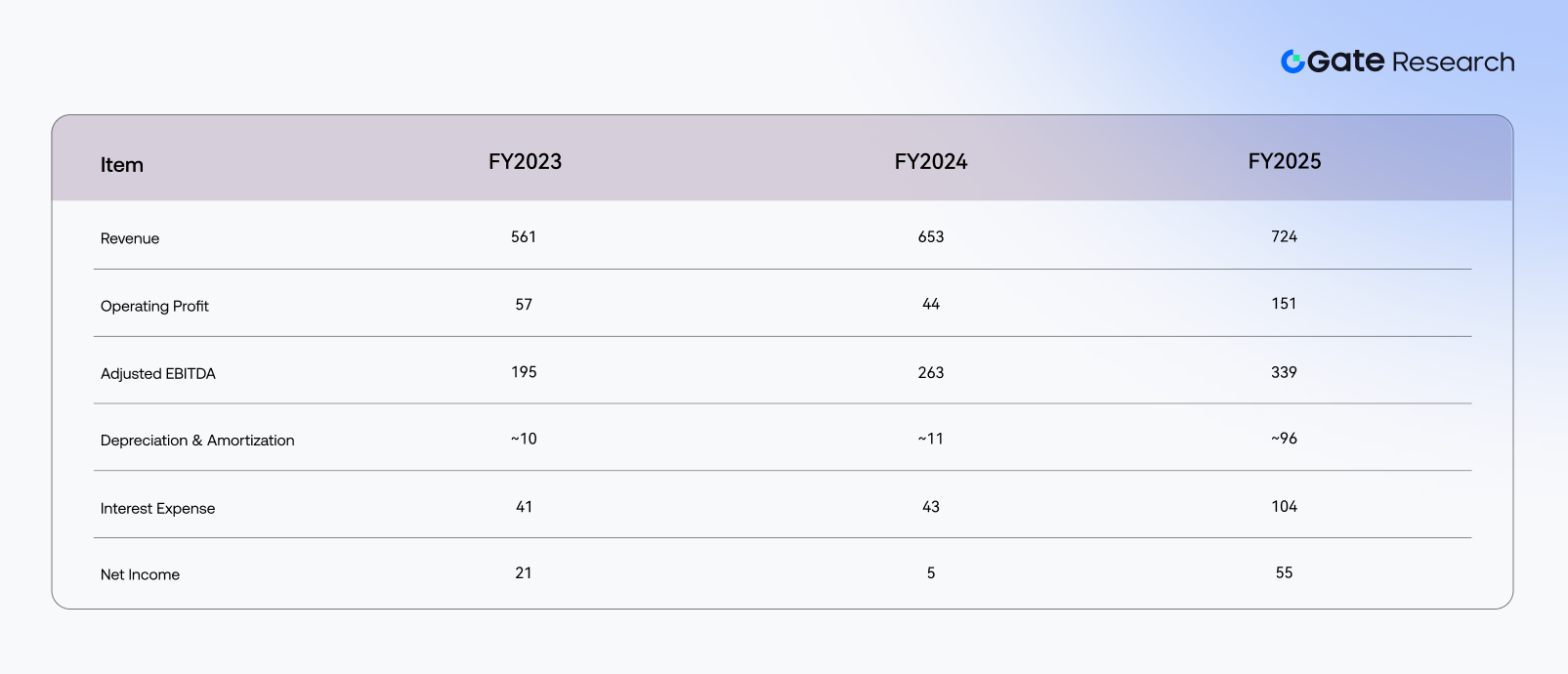
The most significant change in Jersey Mike's FY2025 income statement stems from purchase accounting following Blackstone's acquisition. After the transaction closed, intangible assets such as trademarks and franchise agreements were remeasured at fair value, resulting in depreciation and amortization expense increasing sharply from approximately $10 million to around $96 million. These expenses are non-cash accounting charges and are expected to continue over the coming years, placing ongoing pressure on GAAP net income without directly affecting operating cash flow.
At the same time, the approximately $2.1 billion acquisition financing was structured as a Whole Business Securitization (WBS), causing FY2025 interest expense to rise to approximately $104 million. Consequently, the company's relatively low reported net income reflects not only non-cash amortization charges but also substantial cash interest payments associated with its acquisition debt.
As a result, Adjusted EBITDA provides a more representative measure of the company's underlying operating performance than GAAP net income. However, investors should also recognize that Adjusted EBITDA is not equivalent to free cash flow, as the interest burden associated with the company's elevated leverage represents a real and ongoing cash outflow.
2.2 Franchisee Unit Economics
The standard franchise agreement includes the following key terms:
-
Area development fee: typically $10,000
-
Initial franchise fee per restaurant: typically $20,000
-
Ongoing royalty fee: 6.5% of gross restaurant sales
-
Advertising fund contribution: 5.0% of gross restaurant sales
-
Initial franchise term: generally 10 years, with an additional 10-year renewal option subject to meeting applicable requirements
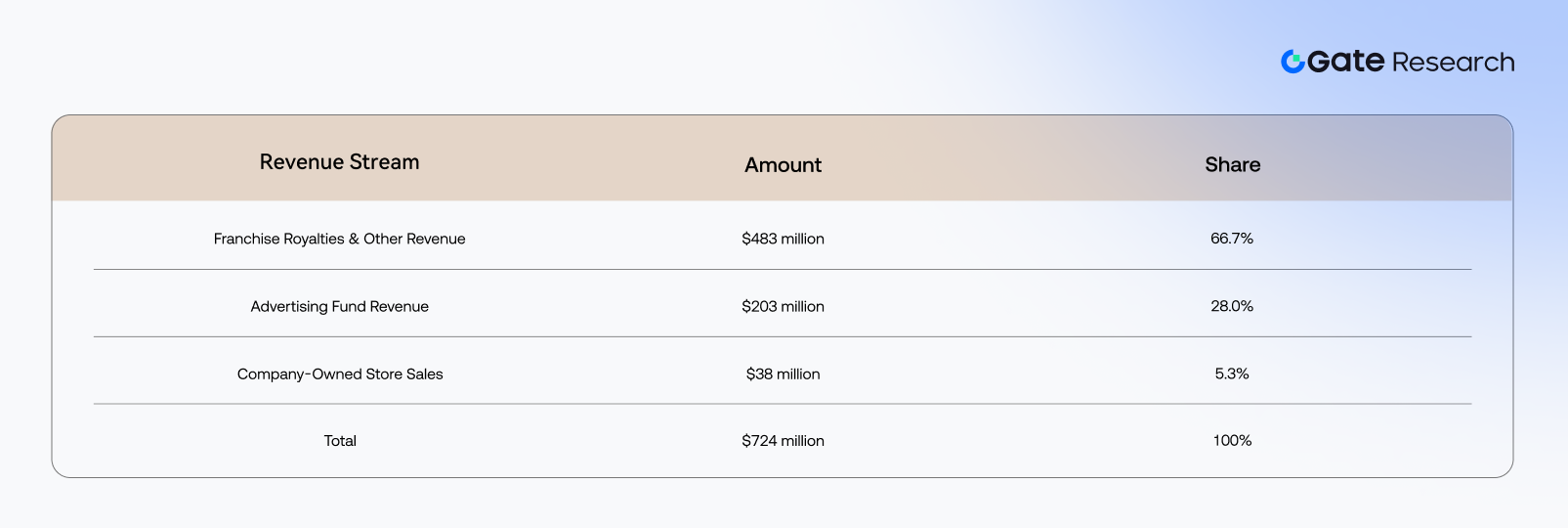
The company's 2025 revenue mix is shown below:
Management disclosed the following 2025 franchisee unit economics:
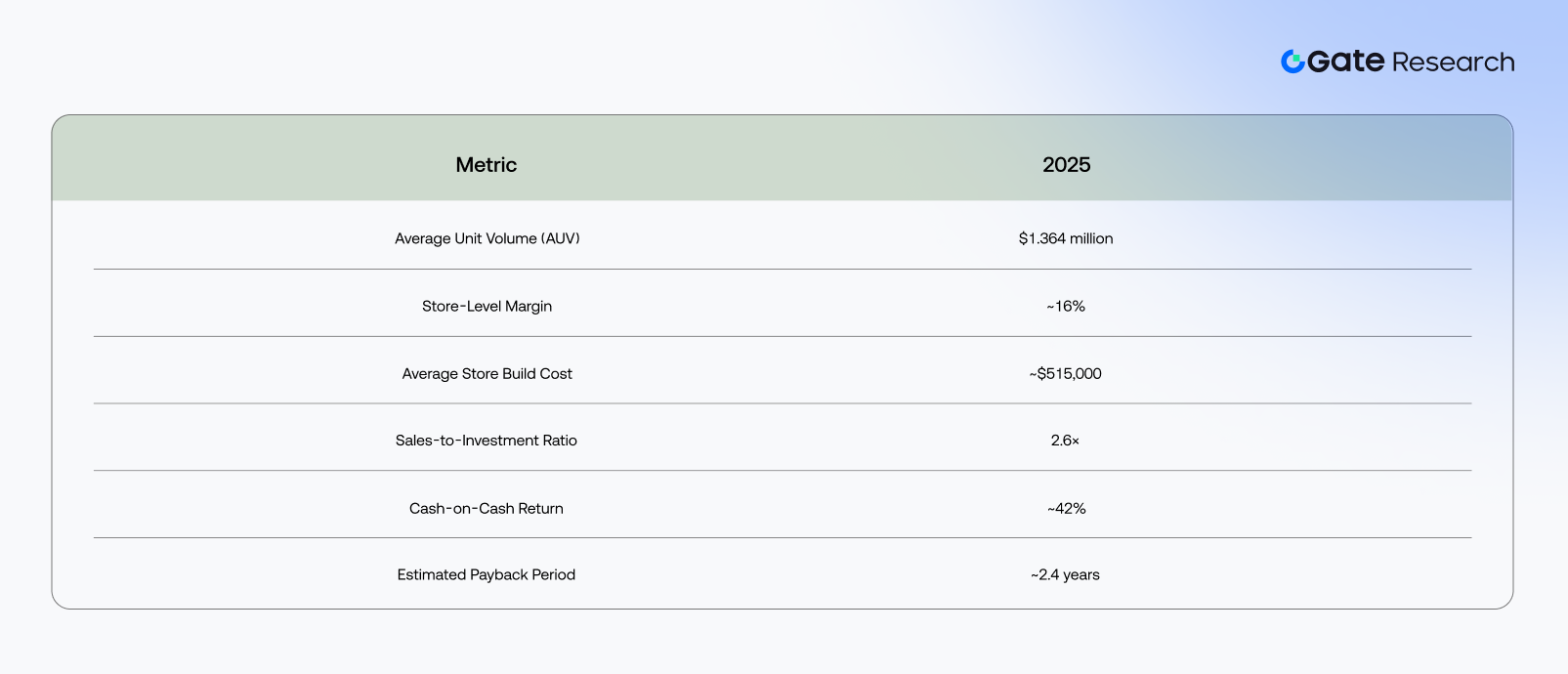
These unit economics represent one of Jersey Mike's strongest competitive advantages. Even after paying a 6.5% royalty and a 5.0% advertising contribution, franchisees are still able to generate an estimated 16% store-level margin, providing sufficient returns to support continued reinvestment and multi-unit expansion. As of the end of June 2026, the company reported a development pipeline of more than 1,600 committed restaurants, with over 90% to be developed by existing franchisees, indicating continued confidence in the brand's economic returns.
However, investors should note that the reported cash-on-cash returns, store development costs, and store-level EBITDA are based on franchisee-reported information and have not been independently audited. Furthermore, rising labor costs, rents, meat prices, and construction costs mean that historical returns should not necessarily be viewed as representative of returns for newly opened restaurants.
2.3 2026 Jersey Mike's Earnings Forecast
Management expects the following results for the first half of 2026:
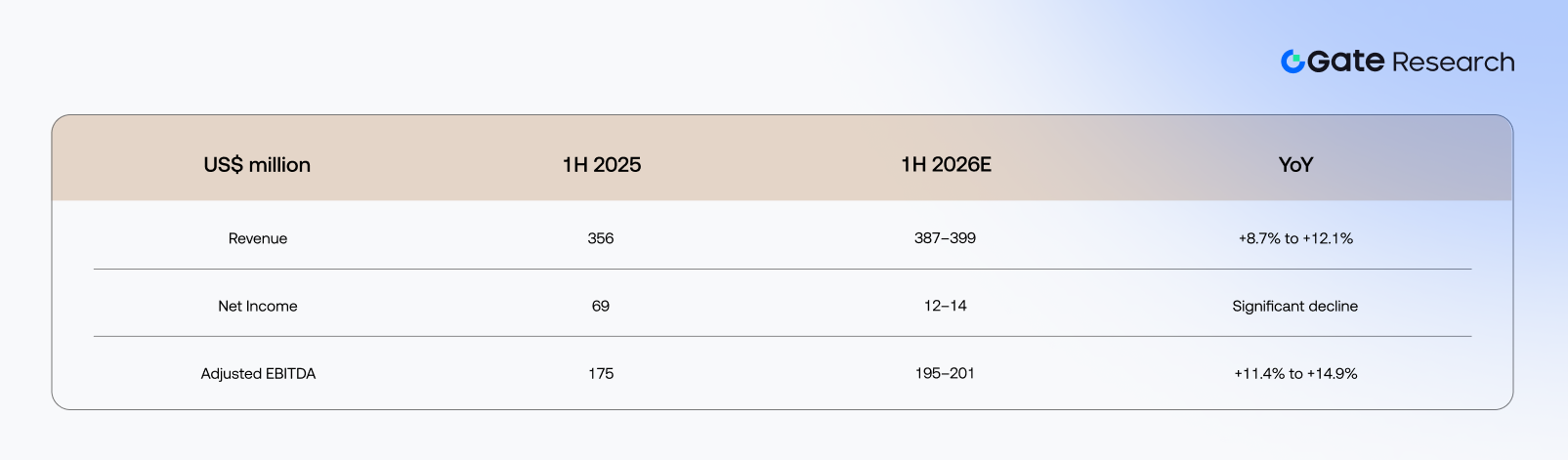
The divergence between declining net income and rising Adjusted EBITDA is primarily attributable to the $51–53 million Area Director buyout expense, which is added back in the company's Adjusted EBITDA calculation. While this expense is transitional in nature and may eventually be replaced by a lower-cost internal regional management structure, the associated cash payments have already been made and therefore remain a genuine cash outflow when evaluating cash flow.
Based on the following assumptions:
-
Approximately 9.3% systemwide sales growth in 2026H1;
-
Approximately 8.1% net unit growth;
-
Approximately 2.0% same-store sales growth;
-
2026H1 Adjusted EBITDA of approximately $195–201 million; and
-
No material deterioration in macroeconomic conditions during the second half of the year,
We estimate FY2026 Adjusted EBITDA at $390–410 million, with a base-case estimate of $400 million.
This forecast represents the author's estimate for the purposes of this report and should not be interpreted as official company guidance.
3. Capital Structure: Whole Business Securitization and Private Equity Financial Engineering
3.1 Debt Structure Before the IPO
Prior to the IPO, Jersey Mike's carried approximately $2.122 billion of total debt and $232 million of cash, resulting in net debt of approximately $1.89 billion. Since 2019, the company has financed itself through a Whole Business Securitization (WBS) structure, under which its trademarks, software, franchise agreements, area development agreements, and related cash flows are transferred into a bankruptcy-remote special purpose vehicle (SPV) that serves as collateral for fixed-rate notes.
As of the end of March 2026, the company's debt profile was as follows:
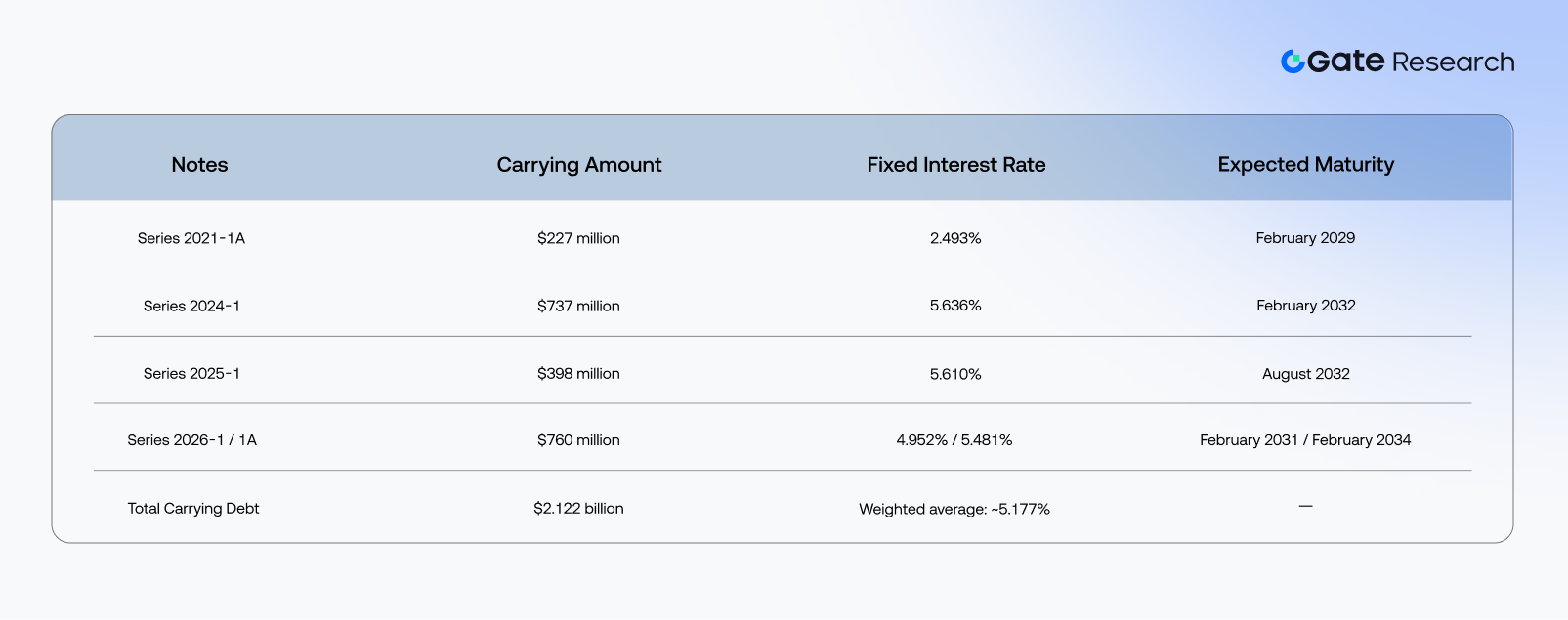
The company's primary financing consists of the Series 2026-1 Whole Business Securitization notes, carrying funding costs ranging from approximately 2.5% to 5.6%.
Under this financing structure, the company's brand assets, franchise agreements, and future royalty cash flows are transferred into an SPV, which then issues asset-backed securities to investors. Because these franchise-related cash flows are highly stable and predictable, WBS financing typically offers a lower borrowing cost than conventional corporate debt. However, when these notes mature, refinancing costs will ultimately depend on prevailing market interest rates, exposing the company to future refinancing and interest-rate repricing risk.
3.2 Debt Structure After the IPO
Based on the $23 per share midpoint of the current offering range and the company's pro forma financial statements:
-
Total debt is expected to decline from $2.122 billion to approximately $1.827 billion;
-
Cash is expected to remain at approximately $232 million, or approximately $220 million after adjusting for roughly $12 million of unpaid offering expenses;
-
Adjusted net debt is estimated at approximately $1.607 billion;
-
Relative to FY2025 Adjusted EBITDA of $339 million, net leverage would be approximately 4.7x;
-
Relative to our estimated FY2026 Adjusted EBITDA of $400 million, net leverage would decline to approximately 4.0x.
The IPO is therefore expected to reduce the company's leverage. While this level of debt remains manageable given the stability of Jersey Mike's recurring franchise cash flows, its capital structure will still be meaningfully more leveraged than that of most asset-light franchised restaurant companies. Consequently, the IPO improves—but does not eliminate—the company's financial risk.
Furthermore, if the approximately $250 million of contingent consideration that is likely to be paid in the future is treated as debt-like, the company's economic net debt would be closer to $1.857 billion.
4. IPO Proceeds: Debt Repayment, Shareholder Liquidity, and Capital Structure Optimization
According to the latest prospectus calculations:
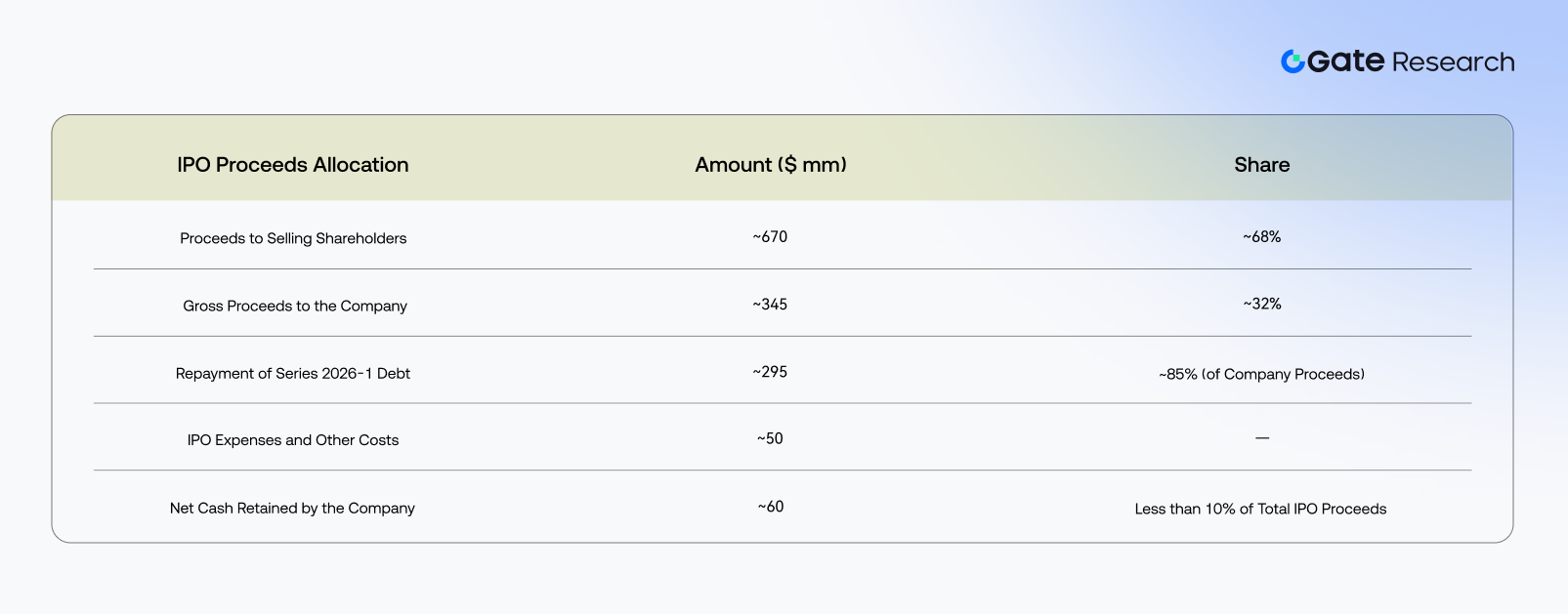
From a proceeds allocation perspective, only a relatively small portion of the IPO proceeds will remain on the balance sheet to support future business expansion. A substantial share of the capital raised will instead be used to repay acquisition-related debt. In addition, a meaningful portion of the overall offering consists of secondary shares sold by existing shareholders.
Accordingly, beyond supporting the company's ongoing operations, the primary objectives of this IPO are capital structure optimization, deleveraging, and providing liquidity for existing shareholders, rather than raising significant growth capital for future expansion.
5. Valuation Analysis
5.1 IPO Implied Valuation
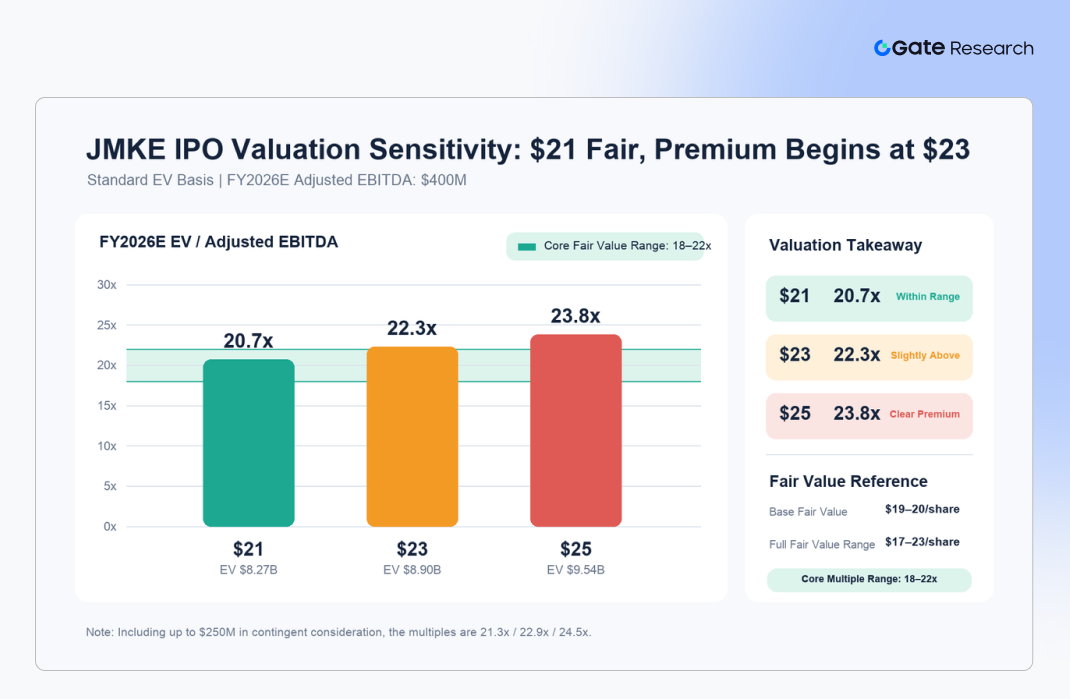
Based on our FY2026E Adjusted EBITDA base-case estimate of approximately $400 million:
-
Implied Enterprise Value (EV): approximately $7.2–8.8 billion;
-
After deducting approximately $1.595 billion of post-IPO net debt, the implied equity value is approximately $5.61–7.21 billion;
-
Based on the fully exchanged share count of approximately 317.6 million shares, the implied fair value is approximately $17.6–22.7 per share.
If the maximum $250 million of contingent consideration is treated as debt-like, the adjusted implied equity value declines to approximately $5.36–6.96 billion, corresponding to a fair value of approximately $16.9–21.9 per share.
Based on the current proposed offering price range:
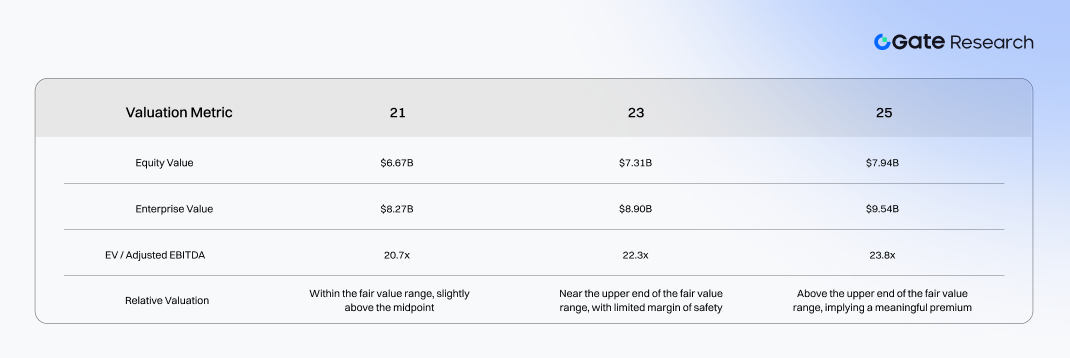
Using FY2026E Adjusted EBITDA as the primary valuation metric, $21 per share falls within our estimated fair value range and appears reasonably priced. At $23 per share, the valuation moves modestly above the upper end of our fair value range, implying a noticeable premium. $25 per share appears meaningfully expensive, suggesting that a substantial portion of the company's future growth expectations has already been priced into the offering.
5.2 Comparable Company Valuation: Between Wingstop and Restaurant Brands
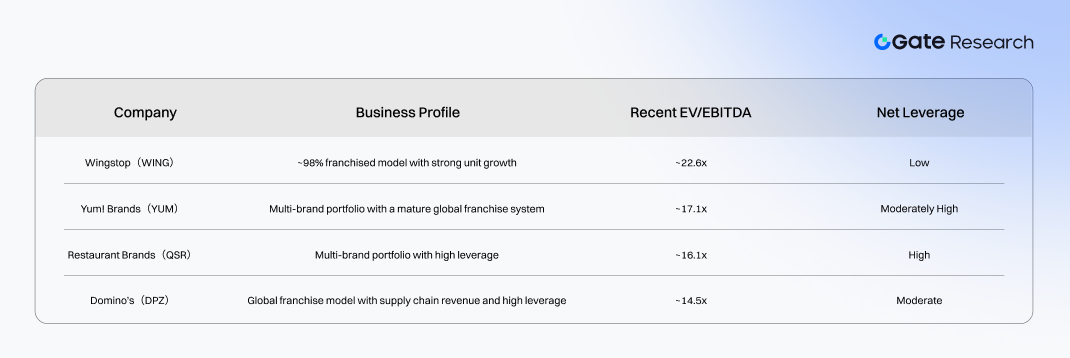
Market data is based on the public valuation metrics of Wingstop, Yum! Brands, Restaurant Brands, and Domino's as of mid-July 2026. Because EBITDA definitions and lease liability treatments vary across data providers, this report adopts a valuation range rather than a single-point estimate.
JMKE deserves to trade at a premium to mature franchise operators given its approximately 8% unit growth, continued AUV expansion, and expected double-digit EBITDA growth in 2026E. However, it should not consistently command a higher valuation than Wingstop for several reasons:
-
Wingstop is currently delivering approximately 17% systemwide unit growth, significantly faster than JMKE's 8.1%;
-
JMKE's comparable sales growth is only around 2%, having moderated meaningfully from its 2023 peak;
-
JMKE's net leverage, TRA obligations, related-party transactions, and controlling shareholder structure warrant a valuation discount;
-
A portion of JMKE's projected 2026 EBITDA growth is expected to come from restructuring initiatives and the transition away from the Area Director model, rather than being driven entirely by comparable sales and new restaurant openings.
Jersey Mike's has a franchise mix and asset-light business model comparable to Wingstop, but its growth profile is meaningfully slower while leverage remains higher than that of most peers. As a result, it should not command Wingstop's premium growth multiple, nor should it be valued entirely in line with more mature operators such as Restaurant Brands.
Taking into account the company's growth profile, earnings quality, and capital structure, we estimate a reasonable valuation range of:
| 18x–22x FY2026E EV / Adjusted EBITDA
6. Key Risks
-
High proportion of secondary shares. Approximately 68% of the IPO proceeds are associated with shares sold by existing shareholders, meaning only a limited portion of the offering will provide new capital to the company.
-
Primary proceeds are mainly used for debt repayment. Approximately $295 million of the company’s proceeds will be used to repay securitized debt, leaving relatively little new capital available to support future growth.
-
Blackstone will retain control. Following the IPO, the controlling shareholder is expected to maintain significant influence over the company, while further share sales may occur over time.
-
Refinancing risk associated with securitized debt. The company’s currently favorable borrowing costs could be repriced as interest-rate conditions change, potentially increasing its future interest burden.
-
Slowing growth despite a relatively high valuation. Revenue growth, comparable sales, and restaurant expansion have all moderated. An IPO price of $21–$25 implies approximately 20.7x–23.8x FY2026E EV/Adjusted EBITDA, with the upper half of the range exceeding our estimated fair valuation range of 18x–22x.
7. Catalysts and Monitoring Framework for the Next 12–24 Months
7.1 Upside Catalysts
-
The final IPO price is set at $21 or below, providing a meaningful valuation discount;
-
Comparable sales growth reaccelerates to 3%–4%, driven primarily by customer traffic rather than price increases;
-
Net new restaurant growth remains above 8%, with the pipeline of approximately 1,600 committed restaurants converting as planned;
-
2026 Adjusted EBITDA reaches or exceeds $410 million;
-
Following the completion of the Area Director buyout, SG&A declines meaningfully and operating cash flow begins to converge with Adjusted EBITDA;
-
Canadian restaurants continue to generate AUV above the U.S. system average, while the first UK restaurants open successfully.
7.2 Downside Catalysts
-
The final IPO price is set near or above $25;
-
The first post-IPO earnings report shows comparable sales growth below 2% or negative customer traffic;
-
New restaurant openings slow to below 6%;
-
Franchisee development costs increase, while cash-on-cash returns fall materially below 40%;
-
Additional debt financing is used to fund sponsor distributions;
-
Governance concerns arise from the TRA, related-party transactions, or the UK and Ireland master franchise rights;
-
Significant share sales occur following the expiration of the lock-up period.
7.3 Key Quarterly Metrics to Monitor
-
Comparable sales growth, with a breakdown between traffic and average ticket;
-
Gross openings, closures, and net new restaurant openings;
-
First-year AUV for new restaurants versus AUV for mature restaurants;
-
Franchisee development costs, restaurant-level margins, and cash-on-cash returns;
-
The impact of advertising fund over- or under-spending on Adjusted EBITDA;
-
Cash payments related to Area Director buyouts and the cost of internal regional operations;
-
Net debt, note repayments, and sponsor distributions;
-
Actual TRA liabilities recognized and related cash payments;
-
Future share sales by Blackstone, ADIA, and the founders.
8. Overall Assessment
Jersey Mike's is a mature, asset-light restaurant brand with a well-established franchise system, strong cash flow generation, and fundamentals that compare favorably with most traditional restaurant operators. The company continues to offer long-term expansion potential through its strong brand, scalable franchise model, and solid profitability. From a business quality perspective, Jersey Mike's possesses clear competitive advantages across brand strength, franchise operations, and earnings power. However, from an IPO investment perspective, the offering is primarily driven by private equity monetization and balance sheet deleveraging rather than growth capital. Most of the IPO proceeds are not being reinvested into the business, meaning new shareholders are primarily funding a more optimized capital structure while assuming the company's long-term operating risks, rather than participating in a new phase of capital-driven expansion.
From a valuation perspective, we estimate a reasonable FY2026E EV/Adjusted EBITDA multiple range of 18x–22x. Based on our forecast of approximately $400 million in FY2026E Adjusted EBITDA, an IPO price of $21 implies a valuation within our fair value range and appears reasonably priced. $23 represents a modest premium to the upper end of our estimated range, while $25 exceeds our core fair value range, suggesting that much of the company's expected future growth has already been priced in.
Reference:
-
Jersey Mike’s S-1/A,https://www.sec.gov/Archives/edgar/data/2127043/000119312526308260/ck0002127043-20260720.htm
-
Jersey Mike’s S-1, https://www.sec.gov/Archives/edgar/data/2127043/000119312526293830/ck0002127043-20260702.htm
-
Prnewswire, https://www.prnewswire.com/news-releases/jersey-mikes-announces-launch-of-initial-public-offering-302829521.html
-
Blackstone, https://www.blackstone.com/news/press/jersey-mikes-to-partner-with-blackstone-to-accelerate-leading-franchisors-continued-growth/
-
Wingstop, https://ir.wingstop.com/financials/quarterly-results/
Gate Research is a comprehensive blockchain and cryptocurrency research platform that provides deep content for readers, including technical analysis, market insights, industry research, trend forecasting, and macroeconomic policy analysis.
Disclaimer
Investing in cryptocurrency markets involves high risk. Users are advised to conduct their own research and fully understand the nature of the assets and products before making any investment decisions. Gate is not responsible for any losses or damages arising from such decisions.
The data, financial information, and market statistics cited in this report are primarily derived from the Company's publicly disclosed filings, regulatory announcements, and other publicly available sources. While the author has made every reasonable effort to collect, compile, verify, and cross-check the information presented herein, the report may nevertheless contain inadvertent omissions, typographical errors, or inaccuracies due to limitations in data sources, reporting methodologies, the timing of information updates, and other objective factors. Accordingly, no representation or warranty, whether express or implied, is made regarding the accuracy, completeness, timeliness, or reliability of the information contained in this report. Any forecasts, valuations, opinions, and conclusions expressed herein represent the author's analysis based solely on publicly available information. They do not constitute guarantees of future performance and are subject to change without notice in response to changes in market conditions, company developments, or other relevant factors.
This report is provided solely for research and informational purposes. It does not constitute investment advice, a recommendation to buy or sell any security, or an offer or solicitation to engage in any investment transaction. Nothing contained herein should be relied upon as the sole basis for making investment decisions. Investors should conduct their own due diligence, exercise independent judgment, and consult professional advisers where appropriate, taking into account their own investment objectives and risk tolerance. The author and any affiliated parties accept no liability for any direct or indirect losses arising from the use of, or reliance upon, the contents of this report.