Leeessa

vip
Futures Trading Strategist
On-chain Analyst
Airdrop Hunter
My character is defined by respect, integrity, and a strong belief in equal opportunity for everyone
#EthereumPrivacyUpgradeRoadmap
Ethereum may now be entering one of the most important philosophical and technical transformations in its entire history. For years, blockchain privacy existed as a fragmented, controversial, and often isolated sector of crypto infrastructure. Privacy tools were treated as optional add-ons rather than foundational components of decentralized finance itself. Users who wanted stronger privacy protections were forced to rely on third-party mixers, external protocols, complicated wallet setups, or specialized chains that frequently faced regulatory pressure, liquidi
ETH-1.27%
MrFlower_XingChen
#EthereumPrivacyUpgradeRoadmap
Ethereum may now be entering one of the most important philosophical and technical transformations in its entire history. For years, blockchain privacy existed as a fragmented, controversial, and often isolated sector of crypto infrastructure. Privacy tools were treated as optional add-ons rather than foundational components of decentralized finance itself. Users who wanted stronger privacy protections were forced to rely on third-party mixers, external protocols, complicated wallet setups, or specialized chains that frequently faced regulatory pressure, liquidity fragmentation, censorship risks, and declining accessibility.
Vitalik Buterin’s May 2026 native privacy roadmap changes that direction completely.
Instead of treating privacy as a niche feature for advanced users, Ethereum is now moving toward integrating privacy directly into the protocol and access infrastructure itself. That distinction is critical because it fundamentally changes how privacy is positioned within the Ethereum ecosystem. Privacy is no longer being framed as a separate product layered on top of Ethereum. It is increasingly being treated as a core property required for digital self-sovereignty, censorship resistance, and long-term fungibility.
The roadmap connected to the upcoming Hegota hard fork in late 2026 represents a structural attempt to solve two of the biggest weaknesses in public blockchain systems:
• transaction censorship
• metadata leakage
Both problems have quietly become much larger threats than most users fully realize.
Public blockchains created radical transparency, but extreme transparency also introduced a new form of vulnerability. Wallet histories became permanently traceable. User behavior became profileable. Balances became publicly visible. Transaction relationships became analyzable by governments, corporations, analytics firms, competitors, and malicious actors simultaneously. Over time, blockchain transparency unintentionally created financial surveillance systems more visible than traditional banking itself.
Vitalik’s roadmap appears designed to reverse that trajectory before Ethereum’s long-term decentralization properties become compromised.
The first major pillar of the framework focuses on censorship resistance through the combination of Account Abstraction and FOCIL.
This addresses one of the most overlooked problems in crypto privacy: getting private transactions included on-chain at all.
Most people assume encryption alone creates privacy. But even perfectly encrypted transactions can still be censored before confirmation if block builders or validators decide to exclude them. Large infrastructure participants increasingly control transaction ordering across modern blockchain systems, creating the risk that private activity becomes selectively filtered out of the network entirely.
The proposed solution combines Account Abstraction with Forward Inclusion Lists, allowing private transactions to receive protocol-level inclusion guarantees. This effectively treats privacy-preserving transactions as first-class citizens within Ethereum itself rather than suspicious external activity vulnerable to silent exclusion.
That changes the power balance significantly.
Instead of relying on validators voluntarily accepting privacy transactions, Ethereum would structurally enforce their inclusion at the protocol layer. This is extremely important because censorship resistance is meaningless if certain categories of transactions can quietly disappear before reaching the chain.
The second pillar introduces EIP-8250 and keyed nonces, which target one of Ethereum’s biggest hidden privacy leaks: transaction sequencing.
Currently, Ethereum accounts use sequential nonces to prevent double-spending. While technically efficient, this creates a perfect behavioral fingerprint. Every outgoing transaction leaves a visible linear pattern that analytics firms can use to map wallet activity, behavioral timing, DeFi interactions, and spending habits across months or years.
This system effectively turns every Ethereum wallet into a publicly traceable behavioral timeline.
EIP-8250 attempts to break that structure entirely.
By introducing keyed nonces and parallel transaction processing, Ethereum transactions would no longer need to follow rigid sequential ordering. Multiple interactions could occur simultaneously using randomized key structures and nullifiers, dramatically reducing the ability of external observers to reconstruct user activity patterns.
That is a massive shift.
It moves Ethereum away from transparent account-chain identity mapping toward a much more privacy-preserving transaction architecture where behavioral reconstruction becomes significantly harder.
The third pillar may actually be the most important long term because it addresses something most crypto users never think about: access-layer surveillance.
Even before a transaction reaches Ethereum, massive amounts of user metadata are already exposed.
Every time users open a wallet, check balances, interact with DeFi protocols, or load smart contract data, their wallet communicates with RPC nodes. Those node providers can potentially observe:
• IP addresses
• wallet queries
• contract interactions
• balance lookups
• browsing behavior
• timing patterns
This means privacy can fail long before a transaction is even broadcast to the blockchain.
Vitalik’s roadmap directly targets this problem through the Kohaku wallet framework combined with ORAM and PIR technologies.
ORAM (Oblivious Random Access Machine) and PIR (Private Information Retrieval) are designed to allow users to query blockchain data and interact with smart contracts without revealing exactly what information they are requesting. Instead of exposing search patterns directly to infrastructure providers, requests become cryptographically obscured.
This is extraordinarily important because modern surveillance increasingly depends on metadata rather than transaction contents alone.
In many cases, knowing who accessed which information, at what time, from which location, can reveal just as much as the transaction itself.
The broader philosophical implications of this roadmap extend far beyond Ethereum alone.
Vitalik’s repeated emphasis on “computing self-sovereignty” signals a recognition that decentralization without privacy may ultimately become incomplete. If wallets can be profiled, screened, censored, scored, blacklisted, or behaviorally analyzed based on fully transparent histories, then digital assets lose an essential property of fungibility.
Money that carries visible historical baggage behaves differently from truly neutral money.
This becomes especially dangerous in a future where AI-driven analytics, regulatory monitoring systems, and chain surveillance tools continue growing more sophisticated. Without stronger native privacy protections, blockchain ecosystems risk evolving into hyper-transparent financial environments where users permanently sacrifice economic anonymity in exchange for decentralization.
Ethereum’s 2026 roadmap attempts to prevent that future before it becomes irreversible.
Importantly, this is not a return to total anonymity. The roadmap instead appears focused on selective privacy, metadata minimization, and censorship-resistant access while still preserving Ethereum’s broader programmability and compliance flexibility.
That balance may become one of the defining technological battles of the next crypto era:
How to preserve openness, decentralization, and financial sovereignty without turning blockchain systems into permanent public surveillance networks.
The Hegota upgrade may ultimately be remembered as the moment Ethereum stopped treating privacy as optional infrastructure and started treating it as a fundamental requirement for digital freedom itself.
$ETH
repost-content-media
  • Reward
  • Comment
  • Repost
  • Share
#ESPORTSPriceCrashesAfterWalletDump
The collapse of the ESPORTS token on May 25 is another brutal reminder that in crypto markets, liquidity structure and token distribution often matter far more than narratives, partnerships, or community hype. Within just four hours, ESPORTS collapsed more than 92%, crashing from approximately $0.75 to nearly $0.05 and wiping out over $110 million in market capitalization almost instantly. What initially appeared to be a normal correction rapidly turned into a full-scale liquidity event that exposed one of the most dangerous structural weaknesses inside low
ESPORTS41.44%
MrFlower_XingChen
#ESPORTSPriceCrashesAfterWalletDump
The collapse of the ESPORTS token on May 25 is another brutal reminder that in crypto markets, liquidity structure and token distribution often matter far more than narratives, partnerships, or community hype. Within just four hours, ESPORTS collapsed more than 92%, crashing from approximately $0.75 to nearly $0.05 and wiping out over $110 million in market capitalization almost instantly. What initially appeared to be a normal correction rapidly turned into a full-scale liquidity event that exposed one of the most dangerous structural weaknesses inside low- and mid-cap crypto markets: concentrated token control.
According to on-chain tracking data, approximately 198 million ESPORTS tokens — representing nearly 43% of the circulating supply — were suddenly sold into the market for an estimated $13.65 million. That number alone explains why the collapse became so violent. When nearly half of a token’s actively circulating supply hits the market in a compressed timeframe, liquidity depth disappears extremely quickly. Order books become thin, slippage expands aggressively, panic selling accelerates, and cascading liquidations amplify the downward move even further.
The most controversial part of the situation is the alleged connection between the selling wallets and DWF Labs, which market participants widely suspect was acting as the project’s market maker. Whether officially confirmed or not, the perception itself immediately intensified panic because it revived one of crypto’s longest-running concerns: the hidden power market makers and treasury-controlled wallets can have over price action in smaller-cap ecosystems.
This incident highlights a reality many retail traders still underestimate.
In traditional finance, publicly traded companies operate under strict disclosure rules regarding insider holdings, institutional ownership, lockups, and major shareholder transactions. Crypto markets often operate under far looser transparency standards. A project may appear decentralized publicly while a very small number of wallets quietly control massive portions of supply behind the scenes.
That creates a fragile market structure.
As long as buying pressure remains strong, concentrated ownership may stay hidden beneath rising prices. But once a major holder decides to exit aggressively, the illusion of liquidity can disappear almost instantly. Prices then stop reflecting organic market demand and instead become dominated by forced selling mechanics.
The ESPORTS collapse also exposes how dangerous market maker dependency can become for smaller tokens.
Market makers are supposed to improve liquidity, stabilize spreads, and support orderly trading environments. However, if a market maker simultaneously controls large inventory allocations, treasury access, or strategic token reserves, conflicts of interest can emerge very quickly. In extreme cases, the same entity responsible for supporting liquidity may also possess enough supply to destabilize the market entirely if liquidation begins.
This is especially dangerous in ecosystems with:
• low organic spot demand
• thin exchange liquidity
• highly concentrated wallets
• weak long-term holder distribution
• limited institutional participation
In those environments, price stability often depends less on real adoption and more on controlled liquidity management behind the scenes.
Another important factor is psychological contagion.
Once traders recognize that a major insider or whale may be exiting, fear spreads much faster than fundamentals can stabilize. Holders begin front-running each other trying to escape liquidity before it disappears completely. That transforms a normal selloff into a reflexive collapse where panic itself becomes the dominant market force.
The event also raises broader questions about tokenomics sustainability across the crypto industry.
Many smaller projects still launch with:
• highly concentrated treasury allocations
• oversized insider distributions
• opaque market maker agreements
• weak circulating supply structures
• artificial liquidity support mechanisms
During bullish periods, these weaknesses often remain hidden because momentum overshadows structural risk. But during stress events, token concentration becomes one of the single biggest determinants of survival.
The comparison to previous crypto collapses is unavoidable.
Again and again, the same pattern appears:
Narrative growth → concentrated ownership → artificial liquidity confidence → sudden large-wallet exit → liquidity collapse → panic cascade.
The problem is not limited to one project. It reflects a recurring structural vulnerability across large sections of the altcoin market.
For traders, the ESPORTS incident reinforces several important lessons.
First, market capitalization alone does not equal real liquidity. A token may appear valuable on paper while still remaining extremely fragile underneath.
Second, wallet concentration matters enormously. If a small number of addresses control large portions of supply, price stability becomes heavily dependent on those holders maintaining confidence.
Third, market maker relationships should never be ignored. Liquidity providers can significantly influence short-term market behavior, especially in smaller ecosystems where organic trading volume remains limited.
And finally, on-chain transparency is both crypto’s greatest advantage and its harshest warning system. Blockchain data often reveals structural risk long before price fully reacts — but only for traders paying close attention to wallet behavior, token flows, and liquidity movements.
The ESPORTS crash may eventually recover partially, or it may become another long-term example of how fragile concentrated token ecosystems can be. But regardless of what happens next, the event already delivered one clear message to the market:
In crypto, the biggest risk is often not volatility itself.
It is who controls the supply when liquidity disappears.
repost-content-media
  • Reward
  • Comment
  • Repost
  • Share
#CryptoMarketRecovery
The crypto market is beginning to show early signs of recovery again, but one of the biggest risks for investors right now may not be volatility itself — it may be narrative manipulation disguised as expertise.
Whenever markets recover after sharp corrections, social media quickly fills with analysts claiming they “predicted everything.” Suddenly, the same people who were bearish near the bottom become aggressively bullish after price rebounds, while others quietly rewrite old narratives to appear consistently correct in hindsight. This cycle repeats in every major marke
MrFlower_XingChen
#CryptoMarketRecovery
The crypto market is beginning to show early signs of recovery again, but one of the biggest risks for investors right now may not be volatility itself — it may be narrative manipulation disguised as expertise.
Whenever markets recover after sharp corrections, social media quickly fills with analysts claiming they “predicted everything.” Suddenly, the same people who were bearish near the bottom become aggressively bullish after price rebounds, while others quietly rewrite old narratives to appear consistently correct in hindsight. This cycle repeats in every major market phase, and inexperienced traders often mistake confidence for accuracy.
What makes crypto especially dangerous is the speed at which sentiment changes.
During downturns, timelines become dominated by fear, recession predictions, liquidation charts, and calls for further collapse. Then the moment Bitcoin or major altcoins rebound, the narrative instantly flips toward “bull market continuation,” “institutional accumulation,” and “new all-time highs incoming.” In reality, many of the loudest voices are not reacting to deep analysis — they are reacting emotionally to price itself.
This creates a powerful psychological trap for retail investors.
Humans naturally seek certainty during uncertainty. When volatility increases, people become more likely to follow strong opinions, especially from accounts with large followings or previous viral predictions. But financial markets rarely reward blind trust. Some analysts genuinely provide thoughtful macro analysis and data-driven insight, while others simply adjust their opinions after the market already moves, later presenting those reactions as foresight.
The danger of retroactive prediction culture is that it distorts risk perception.
If someone appears “always right” only because they constantly revise old narratives after the fact, followers may begin taking larger risks based on false confidence. Over time, this can lead investors into emotionally driven decisions, overleveraged positions, panic buying, or late-stage FOMO entries precisely when risk is already elevated.
The current market environment remains highly complex.
Yes, crypto sentiment has improved compared to recent fear-driven conditions. Bitcoin stabilized after macro pressure eased, altcoins are seeing selective rebounds, and liquidity conditions temporarily improved following geopolitical de-escalation and stronger institutional flows. But recovery signs alone do not automatically confirm a full long-term bullish reversal.
Markets are still heavily influenced by:
• Federal Reserve interest rate expectations
• Treasury yields and dollar liquidity
• ETF inflows and institutional participation
• geopolitical developments
• leverage concentration across derivatives markets
• stablecoin liquidity expansion
• broader global risk appetite
This means volatility can return extremely quickly if macro conditions deteriorate again.
Another important issue is survivorship bias in crypto analysis. Social media usually amplifies successful predictions while quietly ignoring failed calls. Traders who correctly guessed one move may suddenly gain massive influence even if most of their previous forecasts were inaccurate. In highly emotional markets, visibility often becomes disconnected from reliability.
That is why independent judgment remains critical.
Good investors do not blindly follow every bullish thread during rallies or every doom prediction during corrections. Instead, they build structured frameworks:
• understanding macro conditions
• studying liquidity flows
• analyzing market structure
• managing risk exposure
• controlling leverage
• maintaining emotional discipline
The strongest traders are usually not the loudest people online. They are often the ones reacting least emotionally while maintaining consistent risk management regardless of market direction.
Crypto markets are now maturing into globally interconnected financial systems. Bitcoin no longer trades purely on isolated blockchain narratives. Oil prices, central bank policy, bond markets, institutional capital flows, ETF demand, and geopolitical developments increasingly influence digital assets alongside on-chain activity. That complexity makes simplistic “up-only” or “crash incoming” narratives far less reliable than many influencers suggest.
Recovery periods are exciting because they restore optimism after stressful market conditions. But optimism without discipline can become dangerous very quickly. Chasing every rally, copying every viral analyst, or assuming every rebound guarantees new highs often leads to poor decision-making during later volatility.
The market may indeed continue recovering from here. Institutional adoption continues growing, tokenized finance is expanding rapidly, and blockchain infrastructure keeps evolving. But sustainable success in crypto rarely comes from following the loudest prediction cycle. It comes from balancing conviction with skepticism and maintaining the ability to think independently even when social sentiment becomes extremely emotional.
In bull markets, everyone looks like a genius.
In volatile markets, discipline matters far more than predictions...
repost-content-media
  • Reward
  • Comment
  • Repost
  • Share
#DailyPolymarketHotspot
Will the U.S. and Iran Reach a Nuclear Deal by the End of May?
The probability of some form of temporary framework or partial agreement before the end of May has increased significantly — but calling it a fully finalized nuclear deal may still be premature.
Recent comments from President Trump suggesting talks are “going well,” combined with reports that Washington may soften its position regarding Iran’s enriched uranium remaining inside the country under supervision, triggered a powerful reaction across global markets. Oil prices eased, risk assets stabilized, and cr
BTC-0.48%
MrFlower_XingChen
#DailyPolymarketHotspot
Will the U.S. and Iran Reach a Nuclear Deal by the End of May?
The probability of some form of temporary framework or partial agreement before the end of May has increased significantly — but calling it a fully finalized nuclear deal may still be premature.
Recent comments from President Trump suggesting talks are “going well,” combined with reports that Washington may soften its position regarding Iran’s enriched uranium remaining inside the country under supervision, triggered a powerful reaction across global markets. Oil prices eased, risk assets stabilized, and crypto markets immediately rebounded as traders began pricing in lower geopolitical risk.
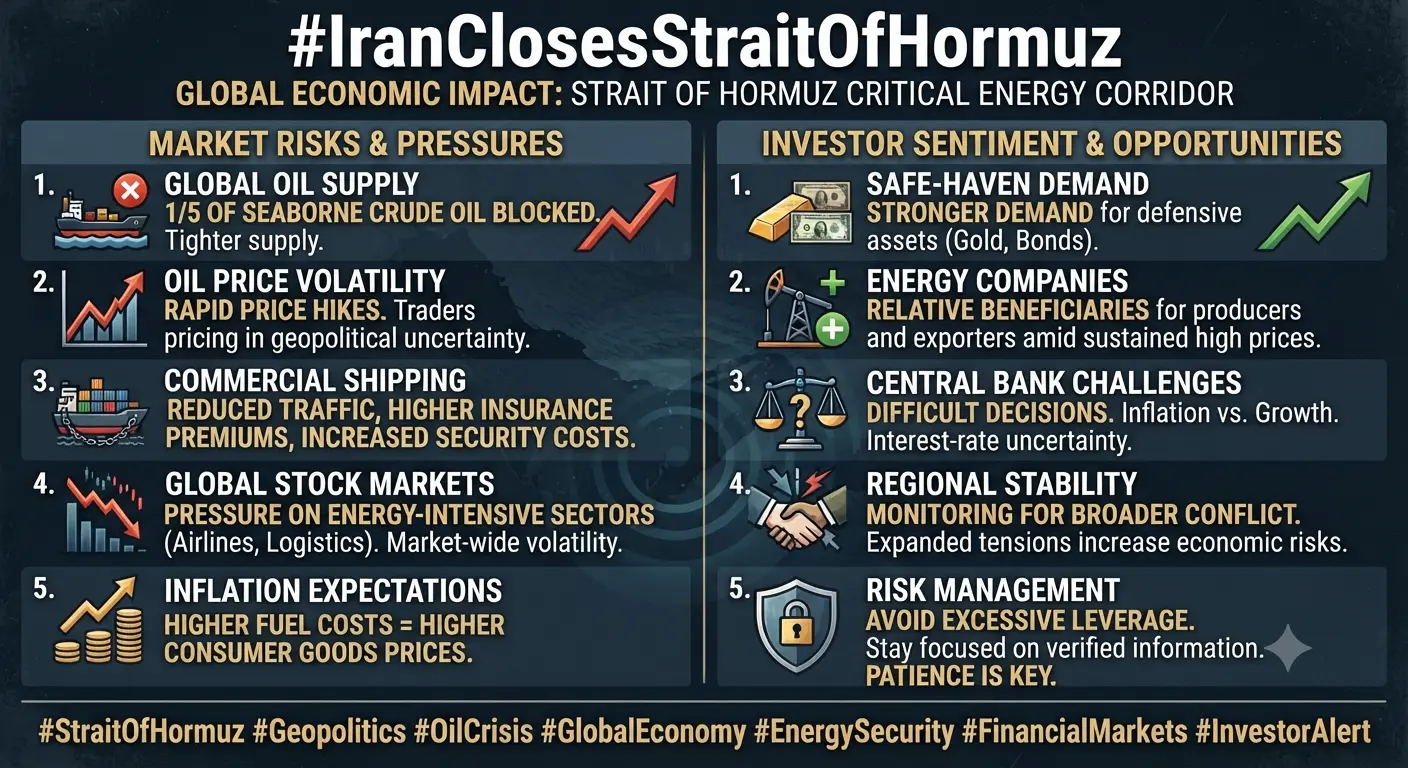
At the center of these negotiations is not just the nuclear issue itself, but the broader strategic importance of the Strait of Hormuz.
This narrow waterway controls a massive portion of global energy transportation. Any disruption there immediately impacts oil prices, inflation expectations, shipping routes, and global financial sentiment. That is why markets reacted so aggressively to reports suggesting a framework could reopen and stabilize Hormuz traffic.
But despite rising optimism, the situation remains extremely fragile.
The biggest obstacle is still uranium enrichment.
For years, the United States demanded that Iran either surrender or destroy highly enriched uranium stockpiles to reduce nuclear breakout risk. Recently, however, reports emerged suggesting the U.S. may accept a phased arrangement where enriched uranium temporarily remains inside Iran under international supervision while broader negotiations continue.
That shift matters enormously because it lowers the immediate barrier to reaching a temporary agreement.
However, conflicting reports show the situation is far from resolved. Some U.S. officials claim Iran agreed “in principle” to dispose of enriched uranium, while Iranian-linked sources strongly deny that any such final concession has been accepted.
This suggests what is currently developing is likely not a complete nuclear settlement, but rather a staged de-escalation framework.
The structure increasingly appears to look like this:
• first stabilize the ceasefire
• reopen the Strait of Hormuz
• reduce immediate war risk
• extend negotiations further into 2026
• postpone the hardest nuclear concessions for later phases
That approach would allow both sides to claim short-term diplomatic success without immediately forcing politically dangerous compromises.
From Trump’s perspective, even a partial agreement offers major advantages:
• lower oil prices
• reduced Middle East escalation risk
• improved market confidence
• geopolitical leverage ahead of elections
• stronger economic optics globally
For Iran, a temporary framework could:
• ease sanctions pressure
• restore export activity
• stabilize domestic conditions
• avoid immediate military escalation
• preserve negotiating leverage over uranium later
This is why both sides have incentives to reach at least some form of interim arrangement before May ends.
But several risks remain extremely serious.
First, internal divisions inside Iran appear unresolved regarding how much nuclear compromise is acceptable. Some factions reportedly oppose surrendering enrichment leverage entirely.
Second, military tensions have not fully disappeared. Reports of continued strikes and regional instability show how quickly negotiations could collapse if another escalation occurs.
Third, even U.S. officials are openly acknowledging that the nuclear details themselves are still unfinished. Marco Rubio recently stated that “very serious talks” about enrichment and uranium would still need to happen after reopening Hormuz.
That is why traders and investors should be careful about assuming a permanent resolution is already guaranteed.
Right now, the market is trading optimism faster than certainty.
My prediction:
There is a strong probability — roughly 60–70% — that the U.S. and Iran announce some type of temporary framework, ceasefire extension, or partial diplomatic breakthrough before the end of May. That framework will likely focus on:
• reopening the Strait of Hormuz
• reducing immediate military tensions
• extending negotiations
• creating phased nuclear discussions rather than instant full concessions
However, the probability of a complete, finalized, long-term nuclear agreement by May remains much lower.
The hardest issues are still unresolved:
• enriched uranium ownership
• enrichment rights
• inspection mechanisms
• sanctions relief
• regional military guarantees
• long-term enforcement structures
Those topics are politically explosive for both governments and unlikely to be fully solved within days.
For markets, though, perception may matter more than completion in the short term.
If a framework is announced:
• oil prices could continue easing
• crypto markets may extend relief rallies
• equities could strengthen temporarily
• risk sentiment may improve globally
But if talks collapse unexpectedly:
• oil could spike rapidly
• Bitcoin and risk assets may face sharp volatility
• safe-haven demand could return aggressively
The market is currently betting that diplomacy will temporarily outrun escalation.
The real question is whether that optimism survives once negotiations move from headlines into difficult enforcement details.
@Gate_Square
repost-content-media
  • Reward
  • Comment
  • Repost
  • Share
  • Reward
  • 2
  • Repost
  • Share
CryptoDiscovery:
To The Moon 🌕
View More
  • Reward
  • 2
  • Repost
  • Share
CryptoDiscovery:
To The Moon 🌕
View More
Cash-In Thursday: Earn 110 MON per Referral and Unlock a 1,000 USDT Mystery Box https://www.gate.com/campaigns/4878?ref_type=132&utm_cmp=BDvPfpQK
post-image
  • Reward
  • 2
  • Repost
  • Share
CryptoDiscovery:
2026 GOGOGO 👊
View More
  • Reward
  • 3
  • Repost
  • Share
CryptoDiscovery:
To The Moon 🌕
View More
  • Reward
  • 1
  • Repost
  • Share
discovery:
2026 GOGOGO 👊
Gate Live Pizza Day Carnival · Win Exclusive Gift Boxes https://www.gate.com/campaigns/4825?ref=VQBGAVPABQ&ref_type=132
post-image
  • Reward
  • Comment
  • Repost
  • Share
  • Reward
  • Comment
  • Repost
  • Share
To further enhance the payment experience for users, Gate Card is launching a limited-time spending rewards campaign. During the campaign period, users who successfully apply for a Gate Card and complete designated spending tasks will have the opportunity to earn GT rewards. Rewards are limited and available on a first-come, first-served basis. https://www.gate.com/campaigns/4834?ch=2724&ref=VQBGAVPABQ&ref_type=132
post-image
  • Reward
  • Comment
  • Repost
  • Share
#AprilCPIComesInHotterAt3.8%
🚨 𝐔𝐒 𝐈𝐧𝐟𝐥𝐚𝐭𝐢𝐨𝐧 𝐈𝐬 𝐇𝐞𝐚𝐭𝐢𝐧𝐠 𝐔𝐩 𝐀𝐠𝐚𝐢𝐧 — 𝐌𝐚𝐫𝐤𝐞𝐭𝐬 𝐀𝐫𝐞 𝐑𝐚𝐩𝐢𝐝𝐥𝐲 𝐑𝐞𝐩𝐫𝐢𝐜𝐢𝐧𝐠 𝐓𝐡𝐞 𝐅𝐞𝐝’𝐬 𝐍𝐞𝐱𝐭 𝐌𝐨𝐯𝐞 📉🔥
The latest US inflation report delivered another major shock to financial markets as April CPI once again came in hotter than expected, reinforcing fears that inflation remains deeply embedded inside the economy despite aggressive monetary tightening from the Federal Reserve.
This report is now forcing traders, institutions, and global investors to completely reconsider expectations for future interest rat
US-12.36%
MAJOR0.62%
IN-10.39%
NOW13.72%
MrFlower_XingChen
#AprilCPIComesInHotterAt3.8%
🚨 𝐔𝐒 𝐈𝐧𝐟𝐥𝐚𝐭𝐢𝐨𝐧 𝐈𝐬 𝐇𝐞𝐚𝐭𝐢𝐧𝐠 𝐔𝐩 𝐀𝐠𝐚𝐢𝐧 — 𝐌𝐚𝐫𝐤𝐞𝐭𝐬 𝐀𝐫𝐞 𝐑𝐚𝐩𝐢𝐝𝐥𝐲 𝐑𝐞𝐩𝐫𝐢𝐜𝐢𝐧𝐠 𝐓𝐡𝐞 𝐅𝐞𝐝’𝐬 𝐍𝐞𝐱𝐭 𝐌𝐨𝐯𝐞 📉🔥
The latest US inflation report delivered another major shock to financial markets as April CPI once again came in hotter than expected, reinforcing fears that inflation remains deeply embedded inside the economy despite aggressive monetary tightening from the Federal Reserve.
This report is now forcing traders, institutions, and global investors to completely reconsider expectations for future interest rate cuts, liquidity conditions, and overall market direction for the remainder of 2026.
𝐊𝐞𝐲 𝐈𝐧𝐟𝐥𝐚𝐭𝐢𝐨𝐧 𝐍𝐮𝐦𝐛𝐞𝐫𝐬:
📊 Headline CPI: 3.8% YoY (vs 3.7% expected)
📊 Core CPI: 2.8% YoY
⛽ Gasoline Prices: +28.4% YoY
📈 Treasury yields surged immediately after release
The data confirms that inflation is no longer limited to temporary supply chain disruptions. Instead, price pressures continue spreading across energy, services, transportation, housing, and consumer sectors despite already restrictive monetary policy conditions.
𝐓𝐡𝐞 “𝐇𝐢𝐠𝐡𝐞𝐫 𝐅𝐨𝐫 𝐋𝐨𝐧𝐠𝐞𝐫” 𝐍𝐚𝐫𝐫𝐚𝐭𝐢𝐯𝐞 𝐈𝐬 𝐍𝐨𝐰 𝐃𝐨𝐦𝐢𝐧𝐚𝐭𝐢𝐧𝐠
One of the biggest market shifts happening right now is the rapid collapse of expectations for aggressive Federal Reserve rate cuts.
Only months ago, many investors believed multiple rate cuts could arrive quickly if inflation continued cooling.
Now that narrative is breaking down.
Markets are increasingly realizing that the Federal Reserve may be forced to maintain elevated interest rates far longer than previously expected in order to prevent inflation from accelerating again.
This shift is creating massive pressure across:
📉 Technology stocks
📉 AI infrastructure companies
📉 Growth equities
📉 Crypto liquidity flows
📉 Emerging market assets
Meanwhile, defensive sectors, commodities, precious metals, and energy-linked assets continue attracting stronger capital rotation.
𝐖𝐡𝐲 𝐂𝐫𝐲𝐩𝐭𝐨 𝐌𝐚𝐫𝐤𝐞𝐭𝐬 𝐀𝐫𝐞 𝐅𝐞𝐞𝐥𝐢𝐧𝐠 𝐏𝐫𝐞𝐬𝐬𝐮𝐫𝐞
Persistent inflation directly impacts crypto markets because it strengthens the US dollar, pushes bond yields higher, and tightens overall financial conditions.
When liquidity becomes more expensive, speculative sectors usually suffer first.
This is why Bitcoin, Ethereum, and broader crypto markets are now entering a phase where macroeconomic conditions may matter more than short-term hype narratives, ETF optimism, or social media momentum.
Even though many long-term investors still view Bitcoin as a hedge against monetary instability, tighter liquidity environments historically slow institutional inflows into risk-heavy sectors.
𝐓𝐡𝐞 𝐅𝐞𝐝 𝐈𝐬 𝐍𝐨𝐰 𝐅𝐚𝐜𝐢𝐧𝐠 𝐀 𝐃𝐚𝐧𝐠𝐞𝐫𝐨𝐮𝐬 𝐃𝐢𝐥𝐞𝐦𝐦𝐚
The Federal Reserve is becoming trapped between two major economic risks:
If rates are cut too early:
➡️ Inflation could surge even higher again.
If rates stay elevated for too long:
➡️ Economic slowdown and recession risks increase significantly.
Because of this, financial markets are increasingly discussing the possibility of a stagflation-style environment where inflation remains stubbornly high while economic growth weakens simultaneously.
This type of environment historically creates instability across equities, bonds, crypto, commodities, and global currencies.
𝐖𝐡𝐚𝐭 𝐌𝐚𝐫𝐤𝐞𝐭𝐬 𝐀𝐫𝐞 𝐖𝐚𝐭𝐜𝐡𝐢𝐧𝐠 𝐍𝐞𝐱𝐭
Investors are now hyper-focused on several major macro indicators that could determine the Federal Reserve’s next policy direction:
👀 Wage growth trends
👀 Labor market weakness
👀 Oil price momentum
👀 Future CPI and PPI reports
👀 Federal Reserve commentary
👀 Bond market volatility
👀 Consumer spending behavior
Every major inflation report now has the potential to trigger sharp moves across stocks, crypto, forex, commodities, and bond markets simultaneously.
𝐖𝐡𝐚𝐭 𝐓𝐡𝐢𝐬 𝐌𝐞𝐚𝐧𝐬 𝐅𝐨𝐫 𝐓𝐫𝐚𝐝𝐞𝐫𝐬
The current market environment is becoming increasingly macro-driven rather than purely technical.
That means traders should now pay closer attention to:
📊 Inflation data
🏦 Central bank policy
💵 Treasury yields
⚡ Energy markets
📈 Institutional positioning
🌍 Geopolitical developments
Markets are transitioning into a phase where volatility can expand rapidly whenever economic expectations suddenly shift.
𝐅𝐢𝐧𝐚𝐥 𝐎𝐮𝐭𝐥𝐨𝐨𝐤
The April CPI report may become one of the most important macroeconomic turning points of 2026 because it strongly challenges the idea that inflation is fully under control.
Right now, the path toward lower interest rates appears far longer, slower, and more volatile than markets previously expected.
As inflation pressures continue building, financial markets may face a difficult period of tighter liquidity, elevated volatility, and rapidly shifting investor sentiment.
For now, one thing is becoming increasingly clear:
🔥 𝐓𝐡𝐞 𝐄𝐫𝐚 𝐎𝐟 𝐄𝐚𝐬𝐲 𝐌𝐨𝐧𝐞𝐲 𝐄𝐱𝐩𝐞𝐜𝐭𝐚𝐭𝐢𝐨𝐧𝐬 𝐈𝐬 𝐅𝐚𝐝𝐢𝐧𝐠 𝐅𝐚𝐬𝐭.
#GateSquareMayTradingShare
repost-content-media
  • Reward
  • 8
  • Repost
  • Share
Crypto_Buzz_with_Alex:
LFG 🔥
View More
🚨 𝐊𝐞𝐯𝐢𝐧 𝐖𝐚𝐫𝐬𝐡 𝐌𝐨𝐯𝐞𝐬 𝐂𝐥𝐨𝐬𝐞𝐫 𝐓𝐨 𝐋𝐞𝐚𝐝𝐢𝐧𝐠 𝐓𝐡𝐞 𝐅𝐞𝐝 — 𝐌𝐚𝐫𝐤𝐞𝐭𝐬 𝐀𝐫𝐞 𝐏𝐫𝐞𝐩𝐚𝐫𝐢𝐧𝐠 𝐅𝐨𝐫 𝐀 𝐍𝐞𝐰 𝐄𝐫𝐚 𝐎𝐟 𝐌𝐨𝐧𝐞𝐭𝐚𝐫𝐲 𝐏𝐨𝐥𝐢𝐜𝐲 📉🏦
Global financial markets are now closely watching one of the most important leadership transitions in modern Federal Reserve history after the US Senate voted 51–45 to confirm Kevin Warsh to the Federal Reserve Board.
This vote moves Warsh significantly closer to becoming the next Federal Reserve chairman following the expected end of Jerome Powell’s term on May 15.
Although another Senate vote regarding th
NOW13.72%
IN-10.39%
US-12.36%
MrFlower_XingChen
🚨 𝐊𝐞𝐯𝐢𝐧 𝐖𝐚𝐫𝐬𝐡 𝐌𝐨𝐯𝐞𝐬 𝐂𝐥𝐨𝐬𝐞𝐫 𝐓𝐨 𝐋𝐞𝐚𝐝𝐢𝐧𝐠 𝐓𝐡𝐞 𝐅𝐞𝐝 — 𝐌𝐚𝐫𝐤𝐞𝐭𝐬 𝐀𝐫𝐞 𝐏𝐫𝐞𝐩𝐚𝐫𝐢𝐧𝐠 𝐅𝐨𝐫 𝐀 𝐍𝐞𝐰 𝐄𝐫𝐚 𝐎𝐟 𝐌𝐨𝐧𝐞𝐭𝐚𝐫𝐲 𝐏𝐨𝐥𝐢𝐜𝐲 📉🏦
Global financial markets are now closely watching one of the most important leadership transitions in modern Federal Reserve history after the US Senate voted 51–45 to confirm Kevin Warsh to the Federal Reserve Board.
This vote moves Warsh significantly closer to becoming the next Federal Reserve chairman following the expected end of Jerome Powell’s term on May 15.
Although another Senate vote regarding the official chairmanship is still expected, markets are already rapidly adjusting expectations for what could become a major shift in US monetary policy, liquidity conditions, and financial market behavior over the coming years.
𝐖𝐡𝐨 𝐈𝐬 𝐊𝐞𝐯𝐢𝐧 𝐖𝐚𝐫𝐬𝐡?
Kevin Warsh is not new to the Federal Reserve system.
He previously served as a Fed governor between 2006 and 2011 during the global financial crisis, giving him direct experience during one of the most volatile periods in modern economic history.
However, unlike many policymakers associated with the post-2008 monetary era, Warsh has consistently criticized prolonged quantitative easing, aggressive balance sheet expansion, and excessive central bank intervention.
His economic philosophy is widely viewed as:
📉 More restrictive toward excessive liquidity
🏦 More focused on institutional discipline
💵 Less supportive of aggressive monetary stimulus
⚖️ More concerned about long-term inflation risks
📊 More skeptical of market dependence on central bank support
This is one of the main reasons investors are reacting so carefully to the possibility of his leadership.
𝐌𝐚𝐫𝐤𝐞𝐭𝐬 𝐀𝐫𝐞 𝐍𝐨𝐰 𝐏𝐫𝐢𝐜𝐢𝐧𝐠 𝐈𝐧 𝐀 𝐏𝐨𝐭𝐞𝐧𝐭𝐢𝐚𝐥 𝐏𝐨𝐥𝐢𝐜𝐲 𝐒𝐡𝐢𝐟𝐭
For more than a decade, financial markets operated under an environment dominated by:
• Ultra-low interest rates
• Quantitative easing programs
• Massive liquidity injections
• Central bank market stabilization
• Aggressive balance sheet expansion
Under Powell and previous Federal Reserve leadership, markets became heavily dependent on central bank liquidity during periods of stress.
Warsh is widely expected to represent a different approach.
He has repeatedly suggested that the Federal Reserve may have expanded too far beyond its traditional role and that excessive intervention risks weakening long-term economic discipline while inflating asset bubbles across stocks, real estate, and speculative markets.
𝐖𝐡𝐚𝐭 𝐂𝐨𝐮𝐥𝐝 𝐂𝐡𝐚𝐧𝐠𝐞 𝐔𝐧𝐝𝐞𝐫 𝐖𝐚𝐫𝐬𝐡?
Markets are now focused on several major policy questions:
🏦 Will the Fed accelerate balance sheet reduction?
📈 Will interest rates stay higher for longer?
💵 Will liquidity conditions tighten further?
⚡ Will forward guidance become less predictable?
📉 Will speculative markets lose central bank support?
If Warsh pursues a more restrictive policy framework, the effects could spread across global markets very quickly.
𝐖𝐡𝐚𝐭 𝐓𝐡𝐢𝐬 𝐌𝐞𝐚𝐧𝐬 𝐅𝐨𝐫 𝐒𝐭𝐨𝐜𝐤𝐬, 𝐁𝐨𝐧𝐝𝐬, 𝐀𝐧𝐝 𝐂𝐫𝐲𝐩𝐭𝐨
Technology and growth stocks may become increasingly vulnerable if investors believe the Federal Reserve will maintain tighter conditions for longer periods.
At the same time:
📉 Treasury yields could remain elevated
📉 Liquidity-sensitive assets may struggle
📉 Crypto markets could face macro pressure
📉 Real estate financing may tighten further
📈 Defensive and value-oriented sectors may outperform
The bond market is especially sensitive right now because aggressive balance sheet reduction could remove additional liquidity from the financial system while keeping borrowing costs elevated.
This would directly impact:
• Global capital flows
• Emerging markets
• Corporate financing conditions
• Risk appetite across speculative sectors
𝐂𝐫𝐲𝐩𝐭𝐨 𝐌𝐚𝐫𝐤𝐞𝐭𝐬 𝐀𝐫𝐞 𝐖𝐚𝐭𝐜𝐡𝐢𝐧𝐠 𝐂𝐥𝐨𝐬𝐞𝐥𝐲
Bitcoin and digital assets have become increasingly macro-sensitive over recent years.
Under tighter monetary conditions:
⚠️ Liquidity entering crypto may slow
⚠️ Risk appetite may weaken
⚠️ Volatility could increase significantly
However, some long-term investors still view Bitcoin as protection against monetary instability and long-term currency debasement.
This creates a highly complex environment where crypto markets may experience both short-term pressure and long-term institutional interest simultaneously.
𝐖𝐚𝐫𝐬𝐡’𝐬 𝐂𝐨𝐦𝐦𝐮𝐧𝐢𝐜𝐚𝐭𝐢𝐨𝐧 𝐒𝐭𝐲𝐥𝐞 𝐂𝐨𝐮𝐥𝐝 𝐂𝐡𝐚𝐧𝐠𝐞 𝐌𝐚𝐫𝐤𝐞𝐭 𝐁𝐞𝐡𝐚𝐯𝐢𝐨𝐫
Another important issue is transparency and forward guidance.
The Federal Reserve under Powell relied heavily on communication strategy to shape market expectations before policy decisions were implemented.
Warsh has previously criticized excessive dependence on forward signaling and suggested the Fed should rely more on direct policy actions instead of continuously managing market psychology.
If this approach changes:
📊 Markets may become less predictable
⚡ Short-term volatility could increase
📉 Traders may react more aggressively to data releases
📈 Policy surprises could become more impactful
𝐓𝐡𝐞 𝐅𝐞𝐝 𝐈𝐬 𝐄𝐧𝐭𝐞𝐫𝐢𝐧𝐠 𝐀 𝐕𝐞𝐫𝐲 𝐃𝐢𝐟𝐟𝐢𝐜𝐮𝐥𝐭 𝐏𝐡𝐚𝐬𝐞
The timing of this leadership transition is extremely important because the Federal Reserve is now trapped between several competing economic pressures:
🔥 Inflation remains above target
📉 Growth concerns are increasing
💵 Government debt levels remain elevated
⚠️ Liquidity conditions are tightening globally
🌍 Geopolitical uncertainty continues rising
This means the next Federal Reserve chairman may ultimately define the next era of monetary policy for the entire global financial system.
𝐅𝐢𝐧𝐚𝐥 𝐎𝐮𝐭𝐥𝐨𝐨𝐤
Kevin Warsh’s rise toward Federal Reserve leadership signals that markets may soon enter a very different policy environment compared to the ultra-liquidity era that dominated the post-2008 financial system.
Investors are now preparing for a future potentially defined by:
📉 Tighter monetary discipline
🏦 Smaller Federal Reserve balance sheets
⚡ Less aggressive intervention
📊 Higher long-term volatility
💵 More restrictive liquidity conditions
Whether this transition strengthens long-term economic stability or creates additional market stress will likely become one of the defining financial stories of the next decade.
#WalshConfirmedAsFedChair
#GateSquareMayTradingShare
repost-content-media
  • Reward
  • 7
  • Repost
  • Share
Crypto_Buzz_with_Alex:
LFG 🔥
View More
#CryptoInvestmentProductsSeeSixStraightWeeksOfInflows
🚨 𝐈𝐧𝐬𝐭𝐢𝐭𝐮𝐭𝐢𝐨𝐧𝐚𝐥 𝐂𝐚𝐩𝐢𝐭𝐚𝐥 𝐈𝐬 𝐅𝐥𝐨𝐰𝐢𝐧𝐠 𝐁𝐚𝐜𝐤 𝐈𝐧𝐭𝐨 𝐂𝐫𝐲𝐩𝐭𝐨 — 𝐒𝐢𝐱 𝐂𝐨𝐧𝐬𝐞𝐜𝐮𝐭𝐢𝐯𝐞 𝐖𝐞𝐞𝐤𝐬 𝐎𝐟 𝐈𝐧𝐟𝐥𝐨𝐰𝐬 𝐒𝐢𝐠𝐧𝐚𝐥 𝐀 𝐌𝐚𝐣𝐨𝐫 𝐌𝐚𝐫𝐤𝐞𝐭 𝐒𝐡𝐢𝐟𝐭 📈💰
The digital asset market is showing one of the clearest signs yet that institutional confidence is rapidly returning as crypto investment products have now recorded six consecutive weeks of positive capital inflows.
According to the latest CoinShares data, crypto investment products attracted approximately $858 million in fresh
NOW13.72%
SIX-0.63%
IN-10.39%
BE0.11%
MrFlower_XingChen
#CryptoInvestmentProductsSeeSixStraightWeeksOfInflows
🚨 𝐈𝐧𝐬𝐭𝐢𝐭𝐮𝐭𝐢𝐨𝐧𝐚𝐥 𝐂𝐚𝐩𝐢𝐭𝐚𝐥 𝐈𝐬 𝐅𝐥𝐨𝐰𝐢𝐧𝐠 𝐁𝐚𝐜𝐤 𝐈𝐧𝐭𝐨 𝐂𝐫𝐲𝐩𝐭𝐨 — 𝐒𝐢𝐱 𝐂𝐨𝐧𝐬𝐞𝐜𝐮𝐭𝐢𝐯𝐞 𝐖𝐞𝐞𝐤𝐬 𝐎𝐟 𝐈𝐧𝐟𝐥𝐨𝐰𝐬 𝐒𝐢𝐠𝐧𝐚𝐥 𝐀 𝐌𝐚𝐣𝐨𝐫 𝐌𝐚𝐫𝐤𝐞𝐭 𝐒𝐡𝐢𝐟𝐭 📈💰
The digital asset market is showing one of the clearest signs yet that institutional confidence is rapidly returning as crypto investment products have now recorded six consecutive weeks of positive capital inflows.
According to the latest CoinShares data, crypto investment products attracted approximately $858 million in fresh inflows during the most recent week alone, highlighting growing institutional conviction despite ongoing macroeconomic uncertainty and short-term market volatility.
This is becoming increasingly important because the consistency of these inflows suggests that institutional investors are no longer treating crypto as a temporary speculative trade.
Instead, large-scale capital appears to be gradually repositioning toward long-term exposure across regulated crypto investment products.
𝐁𝐢𝐭𝐜𝐨𝐢𝐧 𝐑𝐞𝐦𝐚𝐢𝐧𝐬 𝐓𝐡𝐞 𝐃𝐨𝐦𝐢𝐧𝐚𝐧𝐭 𝐈𝐧𝐬𝐭𝐢𝐭𝐮𝐭𝐢𝐨𝐧𝐚𝐥 𝐀𝐬𝐬𝐞𝐭
Bitcoin once again captured the majority of institutional flows, attracting approximately $706 million in weekly inflows.
This reinforces Bitcoin’s role as the primary gateway asset for institutional participation in the crypto market.
Large investors continue viewing BTC as:
💵 A macro hedge asset
🏦 A long-term store of value
📈 The most institutionally trusted cryptocurrency
⚡ The core foundation of digital asset portfolios
The scale and consistency of Bitcoin inflows suggest that institutions remain focused on BTC as the safest and most established entry point into crypto exposure.
𝐄𝐭𝐡𝐞𝐫𝐞𝐮𝐦 𝐀𝐧𝐝 𝐒𝐨𝐥𝐚𝐧𝐚 𝐀𝐫𝐞 𝐀𝐥𝐬𝐨 𝐀𝐭𝐭𝐫𝐚𝐜𝐭𝐢𝐧𝐠 𝐂𝐚𝐩𝐢𝐭𝐚𝐥
While Bitcoin remains dominant, institutions are increasingly diversifying toward broader blockchain infrastructure assets.
Ethereum recorded approximately $80 million in inflows, showing continued institutional interest in smart contract ecosystems, tokenization infrastructure, and decentralized finance development.
Meanwhile, Solana attracted roughly $33 million in inflows, highlighting growing confidence in high-performance blockchain networks focused on scalability, transaction speed, and ecosystem expansion.
This trend is important because mature crypto market cycles often begin with Bitcoin accumulation before institutional capital gradually expands into major altcoins and infrastructure ecosystems.
𝐁𝐞𝐚𝐫𝐢𝐬𝐡 𝐏𝐨𝐬𝐢𝐭𝐢𝐨𝐧𝐢𝐧𝐠 𝐈𝐬 𝐂𝐨𝐥𝐥𝐚𝐩𝐬𝐢𝐧𝐠
One of the most important developments in the latest data is the sharp outflow from short Bitcoin products.
Short BTC investment products recorded approximately $144 million in outflows — the largest weekly short outflow of the year so far.
This strongly suggests that institutional traders are actively unwinding bearish positioning as market sentiment improves.
The combination of:
📈 Strong inflows into long crypto products
📉 Large outflows from short Bitcoin products
creates a powerful signal that institutional positioning is shifting increasingly toward a risk-on environment.
𝐑𝐞𝐠𝐮𝐥𝐚𝐭𝐨𝐫𝐲 𝐂𝐥𝐚𝐫𝐢𝐭𝐲 𝐈𝐬 𝐁𝐞𝐜𝐨𝐦𝐢𝐧𝐠 𝐀 𝐌𝐚𝐣𝐨𝐫 𝐂𝐚𝐭𝐚𝐥𝐲𝐬𝐭
Another major factor driving institutional confidence appears to be improving regulatory visibility.
As governments and regulators move toward clearer frameworks regarding crypto custody, compliance, ETFs, and market structure, institutional investors gain greater confidence allocating capital into digital assets.
For large financial institutions, regulatory clarity is critical because it reduces:
⚖️ Compliance uncertainty
🏦 Custody concerns
📊 Operational risk
💵 Long-term allocation hesitation
This is why regulatory developments are increasingly influencing capital flows across the crypto market.
𝐖𝐡𝐚𝐭 𝐓𝐡𝐢𝐬 𝐌𝐞𝐚𝐧𝐬 𝐅𝐨𝐫 𝐌𝐚𝐫𝐤𝐞𝐭 𝐒𝐭𝐫𝐮𝐜𝐭𝐮𝐫𝐞
Institutional inflows behave very differently from retail speculation.
Retail traders often react emotionally to short-term volatility, while institutional positioning usually develops gradually over extended periods.
This creates stronger structural effects on market behavior.
Continuous inflows into Bitcoin and major altcoins can gradually reduce available exchange supply while increasing long-term holding behavior across regulated investment products.
Over time, this can create:
📉 Lower liquid supply availability
📈 Stronger price support zones
⚡ Higher breakout potential during demand surges
💰 Increased institutional influence over market cycles
𝐓𝐡𝐞 𝐂𝐫𝐲𝐩𝐭𝐨 𝐌𝐚𝐫𝐤𝐞𝐭 𝐈𝐬 𝐄𝐧𝐭𝐞𝐫𝐢𝐧𝐠 𝐀 𝐍𝐞𝐰 𝐏𝐡𝐚𝐬𝐞
The latest data suggests the market may now be transitioning from survival mode back toward strategic accumulation and expansion.
Several major trends are now developing simultaneously:
📈 Institutional inflows continue rising
📉 Bearish positioning is declining
⚡ Regulatory clarity is improving
🏦 Long-term allocation interest is strengthening
🌍 Broader adoption narratives remain active
This combination creates a much stronger structural foundation compared to purely retail-driven rallies.
𝐅𝐢𝐧𝐚𝐥 𝐎𝐮𝐭𝐥𝐨𝐨𝐤
Six consecutive weeks of positive inflows represent one of the strongest signs yet that institutional capital is steadily returning to crypto markets.
The current environment suggests that large investors are increasingly viewing digital assets as a long-term portfolio allocation sector rather than a temporary speculative trade.
If institutional inflows continue alongside improving macro stability and regulatory clarity, the crypto market could be preparing for the next major expansion phase across both Bitcoin and the broader altcoin ecosystem.
#GateSquareMayTradingShare
repost-content-media
  • Reward
  • 7
  • Repost
  • Share
MasterChuTheOldDemonMasterChu:
Hop on now! 🚗
View More
#TROLLSurgesOver160PercentInTwoDays
𝐓𝐑𝐎𝐋𝐋 𝐄𝐗𝐏𝐋𝐎𝐃𝐄𝐒 𝐎𝐕𝐄𝐑 𝟏𝟔𝟎% 𝐈𝐍 𝟒𝟖 𝐇𝐎𝐔𝐑𝐒 𝐀𝐒 𝐒𝐎𝐋𝐀𝐍𝐀 𝐌𝐄𝐌𝐄 𝐂𝐎𝐈𝐍 𝐅𝐑𝐄𝐍𝐙𝐘 𝐈𝐍𝐓𝐄𝐍𝐒𝐈𝐅𝐈𝐄𝐒
TROLL, a rapidly emerging meme token built on the Solana blockchain, has become one of the most aggressively moving assets in the current crypto market after surging more than 160% within just two days. The explosive rally instantly pushed the token into the spotlight across trading communities, meme coin ecosystems, and speculative crypto markets, especially at a time when much of the broader digital asset sector has rem
MrFlower_XingChen
#TROLLSurgesOver160PercentInTwoDays
𝐓𝐑𝐎𝐋𝐋 𝐄𝐗𝐏𝐋𝐎𝐃𝐄𝐒 𝐎𝐕𝐄𝐑 𝟏𝟔𝟎% 𝐈𝐍 𝟒𝟖 𝐇𝐎𝐔𝐑𝐒 𝐀𝐒 𝐒𝐎𝐋𝐀𝐍𝐀 𝐌𝐄𝐌𝐄 𝐂𝐎𝐈𝐍 𝐅𝐑𝐄𝐍𝐙𝐘 𝐈𝐍𝐓𝐄𝐍𝐒𝐈𝐅𝐈𝐄𝐒
TROLL, a rapidly emerging meme token built on the Solana blockchain, has become one of the most aggressively moving assets in the current crypto market after surging more than 160% within just two days. The explosive rally instantly pushed the token into the spotlight across trading communities, meme coin ecosystems, and speculative crypto markets, especially at a time when much of the broader digital asset sector has remained relatively stable and directionless.
The token’s market capitalization expanded at an extraordinary pace, climbing from roughly 55 million dollars to nearly 144 million dollars during the peak of the rally. This type of rapid valuation expansion reflects the increasingly powerful role of speculative momentum in low-cap crypto assets, where liquidity inflows and social attention can dramatically accelerate price discovery within extremely short periods of time.
Trading activity surrounding TROLL also intensified sharply, with daily volume surging to approximately 17.2 million dollars. The elevated turnover indicates heavy participation from short-term traders, momentum speculators, algorithmic bots, and meme coin communities seeking to capitalize on rapid volatility rather than long-term utility or investment fundamentals.
One of the most important aspects of the rally is that it appears to have occurred without any major fundamental catalyst. There were no significant partnerships, protocol upgrades, ecosystem integrations, institutional announcements, or technological developments capable of explaining the magnitude of the move. Instead, the rally appears to be driven almost entirely by sentiment, momentum psychology, viral attention, and speculative capital rotation.
This behavior has become increasingly common within modern meme coin cycles, particularly on high-speed blockchain ecosystems like Solana. Once social momentum begins building around a token, the price movement itself often becomes the primary marketing engine. Traders observing aggressive green candles rush to enter positions out of fear of missing potential gains, creating a self-reinforcing cycle where price appreciation generates attention, and attention generates further buying pressure.
The Solana ecosystem plays a major role in enabling these types of explosive market conditions. Because Solana offers extremely fast transaction processing and low trading fees, traders can rapidly enter and exit positions without significant cost barriers. This frictionless environment has transformed Solana into one of the dominant ecosystems for meme coin speculation, allowing micro-cap assets to experience enormous volatility within hours rather than days.
At the same time, the structure of these rallies remains highly unstable.
Unlike fundamentally driven crypto projects that rely on adoption metrics, product development, revenue generation, or utility expansion, meme coins often depend almost entirely on liquidity momentum and social engagement. As a result, valuation can rise far beyond sustainable levels during periods of excitement, but it can also collapse rapidly once buying pressure weakens or early participants begin taking profits.
The TROLL rally also highlights a broader capital rotation trend occurring within crypto markets. During periods where Bitcoin and Ethereum enter consolidation phases with lower volatility, speculative traders frequently migrate toward smaller-cap assets in search of faster returns. This rotation effect temporarily channels liquidity into high-risk sectors such as meme coins, creating localized bubbles driven primarily by attention economics rather than traditional valuation models.
Another key factor driving these movements is the emotional structure of meme coin trading itself. In many cases, participants are not trading based on discounted cash flows, network utility, or long-term adoption forecasts. Instead, trading decisions are increasingly influenced by viral narratives, influencer attention, online community participation, trending hashtags, and rapid technical momentum. This creates a market environment where psychology often becomes more important than fundamentals.
The rise of meme coin culture has also transformed digital assets into a form of internet-native speculative entertainment. Tokens like TROLL are not simply traded as financial instruments; they are often traded as social trends, cultural memes, and community-driven momentum events. This blending of internet culture and decentralized finance continues reshaping how younger retail traders interact with markets.
However, the same mechanics that fuel explosive rallies can also produce violent reversals.
In low-liquidity environments, once momentum slows or profit-taking accelerates, price declines can become extremely aggressive. Because many meme tokens lack deep institutional support or long-term holders, liquidity can evaporate quickly during selloffs, amplifying downside volatility. This creates conditions where gains accumulated over several days can disappear within hours.
The current TROLL surge may also reflect a larger evolution happening inside crypto speculation itself. Meme coins are increasingly becoming high-speed attention assets where visibility and engagement function almost like temporary economic value. In this environment, narrative velocity can matter more than technological innovation, at least in the short term.
Looking forward, analysts expect the meme coin sector to remain one of the most volatile and psychologically driven segments of the crypto industry. As social media algorithms, trading bots, influencer culture, and decentralized exchange accessibility continue expanding, short-term speculative cycles may become even more intense and compressed.
Artificial intelligence could further amplify this trend in the future. AI-generated marketing campaigns, automated trading systems, sentiment-analysis bots, and algorithmic social engagement tools may accelerate how quickly narratives spread through crypto communities. This could create even faster boom-and-bust cycles across low-cap assets.
Ultimately, TROLL’s explosive rise demonstrates both the opportunity and danger embedded within the meme coin economy. Massive gains remain possible in short timeframes, but these opportunities are accompanied by equally extreme volatility, emotional trading behavior, and liquidity instability.
The rally serves as another reminder that in today’s crypto environment, attention itself has become one of the market’s most powerful assets — capable of creating enormous wealth, or erasing it, within a matter of hours.
𝐌𝐄𝐌𝐄 𝐂𝐎𝐈𝐍 𝐕𝐎𝐋𝐀𝐓𝐈𝐋𝐈𝐓𝐘 𝐂𝐘𝐂𝐋𝐄 𝐈𝐍 𝐓𝐇𝐄 𝐒𝐎𝐋𝐀𝐍𝐀 𝐄𝐂𝐎𝐒𝐘𝐒𝐓𝐄𝐌
#GateSquareMayTradingShare
repost-content-media
  • Reward
  • 2
  • Repost
  • Share
MasterChuTheOldDemonMasterChu:
Steadfast HODL💎
View More
#DailyPolymarketHotspot
#𝐇𝐀𝐍𝐓𝐀𝐕𝐈𝐑𝐔𝐒 𝐅𝐄𝐀𝐑𝐒 𝐅𝐔𝐄𝐋 𝐏𝐑𝐄𝐃𝐈𝐂𝐓𝐈𝐎𝐍 𝐌𝐀𝐑𝐊𝐄𝐓 𝐒𝐏𝐄𝐂𝐔𝐋𝐀𝐓𝐈𝐎𝐍, 𝐁𝐔𝐓 𝐒𝐂𝐈𝐄𝐍𝐓𝐈𝐅𝐈𝐂 𝐑𝐈𝐒𝐊 𝐑𝐄𝐌𝐀𝐈𝐍𝐒 𝐋𝐈𝐌𝐈𝐓𝐄𝐃
Concerns surrounding a possible Hantavirus outbreak have recently intensified across prediction markets, social media platforms, and online trading communities after reports connected to an Atlantic cruise ship incident triggered a wave of speculation about future pandemic risks. While the headlines have generated significant public attention and volatility in event-based prediction markets, current scien
MrFlower_XingChen
#DailyPolymarketHotspot
#𝐇𝐀𝐍𝐓𝐀𝐕𝐈𝐑𝐔𝐒 𝐅𝐄𝐀𝐑𝐒 𝐅𝐔𝐄𝐋 𝐏𝐑𝐄𝐃𝐈𝐂𝐓𝐈𝐎𝐍 𝐌𝐀𝐑𝐊𝐄𝐓 𝐒𝐏𝐄𝐂𝐔𝐋𝐀𝐓𝐈𝐎𝐍, 𝐁𝐔𝐓 𝐒𝐂𝐈𝐄𝐍𝐓𝐈𝐅𝐈𝐂 𝐑𝐈𝐒𝐊 𝐑𝐄𝐌𝐀𝐈𝐍𝐒 𝐋𝐈𝐌𝐈𝐓𝐄𝐃
Concerns surrounding a possible Hantavirus outbreak have recently intensified across prediction markets, social media platforms, and online trading communities after reports connected to an Atlantic cruise ship incident triggered a wave of speculation about future pandemic risks. While the headlines have generated significant public attention and volatility in event-based prediction markets, current scientific evidence continues to suggest that the probability of Hantavirus evolving into a large-scale global pandemic by 2026 remains relatively low.
The situation demonstrates how modern information cycles can rapidly transform isolated health concerns into speculative financial narratives, especially in an era where prediction markets react instantly to uncertainty, fear, and viral media attention. Even without confirmed large-scale transmission risks, discussions surrounding infectious diseases can quickly generate substantial activity across decentralized betting markets and sentiment-driven trading platforms.
One of the most important scientific realities is that Hantavirus behaves very differently from highly transmissible respiratory viruses such as COVID-19, influenza, or SARS. The virus is primarily transmitted from rodents to humans through exposure to contaminated urine, saliva, or droppings. Historically, most documented cases have occurred in isolated environments involving direct environmental exposure rather than widespread human circulation.
This distinction is critical when evaluating true pandemic potential.
For a virus to evolve into a sustained global outbreak, efficient human-to-human transmission is usually required. At present, most known Hantavirus strains have not demonstrated the consistent person-to-person spread necessary to support exponential international transmission chains. This remains one of the strongest reasons epidemiologists and infectious disease specialists are monitoring the situation carefully without signaling immediate large-scale alarm.
The cruise ship narrative itself has amplified public attention because international travel environments naturally trigger memories of previous global health crises. Cruise ships are often viewed as high-risk transmission settings due to dense populations and enclosed environments, making them highly sensitive to public perception during any infectious disease discussion. However, isolated reports alone are not reliable indicators of an emerging pandemic scenario.
Another major factor limiting current risk is the evolution of global disease surveillance infrastructure. Since the COVID-19 era, international health coordination systems, genomic sequencing capabilities, rapid diagnostics, contact tracing technologies, and outbreak monitoring networks have improved significantly. Public health agencies today are far more prepared to identify, isolate, and contain unusual viral events before they develop into uncontrolled international outbreaks.
At the same time, prediction markets operate under a very different framework than scientific institutions.
Markets are not pricing certainty — they are pricing probability, emotion, uncertainty, and narrative momentum. Even low-probability events can experience significant speculative activity if public attention rises quickly enough. This creates situations where market volatility may dramatically exceed the actual scientific risk level.
The Hantavirus discussion highlights how fear itself has become a tradable asset in modern digital finance ecosystems. Traders increasingly speculate not only on real-world outcomes, but also on how narratives spread through media cycles, social platforms, and public psychology. In many cases, prediction market movement reflects emotional intensity more than epidemiological consensus.
Another important consideration is the broader social environment created after the COVID-19 pandemic. Public sensitivity toward outbreak-related headlines remains extremely elevated, meaning even relatively contained infectious disease stories can trigger disproportionate reactions online. This heightened awareness often accelerates speculation long before verified scientific conclusions emerge.
Despite this, current historical and medical data still point toward limited large-scale pandemic potential for Hantavirus under present conditions. Historically, outbreaks have remained geographically localized and manageable through targeted sanitation measures, rodent population control, environmental awareness campaigns, and regional public health responses.
Of course, epidemiologists continue emphasizing that viral evolution can never be completely ignored. Mutation risk exists in all biological systems, and long-term monitoring remains essential. However, there is currently no evidence suggesting that Hantavirus has undergone the kind of structural transmission shift necessary to support a global pandemic comparable to recent historical outbreaks.
The event also reveals a growing intersection between public health narratives and decentralized financial speculation. Prediction markets are increasingly becoming real-time sentiment indicators where medical discussions, geopolitical risks, and social fears can directly influence trading behavior within minutes.
Looking forward, analysts believe health-related prediction markets may become even more active as retail participation in event trading expands globally. Advances in AI-driven sentiment analysis, automated news aggregation, and social media monitoring could further accelerate how rapidly fear-based narratives impact speculative capital flows.
Ultimately, the current Hantavirus discussion appears to reflect a combination of heightened public sensitivity, rapid information amplification, and prediction market speculation rather than evidence of an imminent global health emergency. While vigilance and monitoring remain important, current scientific understanding continues to support the view that the probability of a worldwide Hantavirus pandemic by 2026 remains relatively low.
#𝐏𝐑𝐄𝐃𝐈𝐂𝐓𝐈𝐎𝐍 𝐌𝐀𝐑𝐊𝐄𝐓𝐒 𝐀𝐑𝐄 𝐈𝐍𝐂𝐑𝐄𝐀𝐒𝐈𝐍𝐆𝐋𝐘 𝐓𝐑𝐀𝐃𝐈𝐍𝐆 𝐅𝐄𝐀𝐑, 𝐔𝐍𝐂𝐄𝐑𝐓𝐀𝐈𝐍𝐓𝐘, 𝐀𝐍𝐃 𝐍𝐀𝐑𝐑𝐀𝐓𝐈𝐕𝐄 𝐕𝐎𝐋𝐀𝐓𝐈𝐋𝐈𝐓𝐘
"Gate Prediction Market" (https://gate.onelink.me/Hls0/prediction?page=detail&event_ticker=448037&source=cex&utm_source=chatgpt.com)
repost-content-media
  • Reward
  • Comment
  • Repost
  • Share
#BitcoinDominanceClimbsTo58Point5Percent
𝐁𝐈𝐓𝐂𝐎𝐈𝐍 𝐃𝐎𝐌𝐈𝐍𝐀𝐍𝐂𝐄 𝐑𝐄𝐁𝐎𝐔𝐍𝐃𝐒 𝐓𝐎 𝟓𝟖% 𝐀𝐒 𝐂𝐀𝐏𝐈𝐓𝐀𝐋 𝐑𝐎𝐓𝐀𝐓𝐄𝐒 𝐁𝐀𝐂𝐊 𝐈𝐍𝐓𝐎 𝐁𝐓𝐂
Bitcoin dominance has staged a notable recovery after rebounding from a local low near 55% to approximately 58.5%, signaling that capital is once again rotating back toward Bitcoin after a period of stronger altcoin participation. The move is becoming one of the most closely watched developments in the crypto market because Bitcoin dominance often acts as a macro indicator for overall market structure, risk appetite, and liquidity b
MrFlower_XingChen
#BitcoinDominanceClimbsTo58Point5Percent
𝐁𝐈𝐓𝐂𝐎𝐈𝐍 𝐃𝐎𝐌𝐈𝐍𝐀𝐍𝐂𝐄 𝐑𝐄𝐁𝐎𝐔𝐍𝐃𝐒 𝐓𝐎 𝟓𝟖% 𝐀𝐒 𝐂𝐀𝐏𝐈𝐓𝐀𝐋 𝐑𝐎𝐓𝐀𝐓𝐄𝐒 𝐁𝐀𝐂𝐊 𝐈𝐍𝐓𝐎 𝐁𝐓𝐂
Bitcoin dominance has staged a notable recovery after rebounding from a local low near 55% to approximately 58.5%, signaling that capital is once again rotating back toward Bitcoin after a period of stronger altcoin participation. The move is becoming one of the most closely watched developments in the crypto market because Bitcoin dominance often acts as a macro indicator for overall market structure, risk appetite, and liquidity behavior across digital assets.
BTC dominance measures Bitcoin’s share of the total cryptocurrency market capitalization. When dominance rises, it generally means Bitcoin is outperforming the broader altcoin market, either because BTC is gaining strength directly or because altcoins are losing momentum faster during periods of uncertainty. Conversely, falling dominance typically reflects growing speculative appetite as traders move into higher-risk assets searching for larger percentage returns.
The latest recovery above 58% suggests that the market may be transitioning back into a consolidation and defensive positioning phase rather than entering a full-scale altcoin expansion cycle. Earlier in the year, Bitcoin dominance reached approximately 62–63% before declining sharply toward 54% as meme coins, AI-related tokens, and mid-cap altcoins attracted aggressive speculative inflows during periods of elevated market optimism.
That decline in dominance fueled expectations that a broader “alt season” was developing. However, the recent rebound now indicates that much of the speculative capital that previously flowed into higher-risk assets is beginning to rotate back into Bitcoin, which is still viewed as the strongest liquidity anchor and safest asset within the crypto ecosystem during uncertain market conditions.
Historically, rising Bitcoin dominance tends to occur during several key market environments.
First, it often appears during periods of macroeconomic uncertainty or market consolidation, where investors prioritize relative safety and liquidity over aggressive speculation. Bitcoin generally attracts institutional flows more consistently than smaller-cap assets, making it the preferred destination when risk sentiment weakens.
Second, dominance can rise when altcoins become overheated after rapid rallies. In these situations, traders frequently take profits from speculative assets and rotate capital back into Bitcoin to preserve gains while maintaining crypto exposure. This creates a cyclical flow where Bitcoin absorbs liquidity after periods of excessive altcoin volatility.
Third, BTC dominance increases can also reflect structural institutional accumulation. Over the past several years, Bitcoin has increasingly become integrated into traditional financial infrastructure through ETFs, custody platforms, institutional treasury allocations, and macro portfolio strategies. This gives Bitcoin stronger capital support compared to many altcoins that remain heavily retail-driven.
The current environment appears to reflect elements of all three dynamics simultaneously.
While meme coins and speculative sectors recently experienced explosive short-term rallies, overall market liquidity conditions remain selective rather than universally bullish. Many altcoins continue struggling to maintain momentum, suggesting that capital concentration is narrowing back toward higher-conviction assets led by Bitcoin.
Another important factor supporting Bitcoin dominance is the growing role of spot Bitcoin ETFs and institutional exposure vehicles. These products continue channeling large amounts of traditional capital specifically into BTC rather than the broader altcoin market. This creates structural demand that strengthens Bitcoin’s market share over time, particularly during periods where retail speculation cools.
At the same time, the rebound in dominance does not necessarily eliminate the possibility of future altcoin rallies. Historically, crypto cycles often move through phases where Bitcoin leads first, followed by Ethereum strength, and eventually broader altcoin expansion if overall liquidity conditions remain favorable. However, the current data suggests the market has not yet fully transitioned into the final high-risk speculative phase typically associated with peak alt seasons.
The recovery above 58% may therefore signal that the market is still in a mid-cycle consolidation structure rather than a euphoric expansion stage. In this environment, traders may continue favoring quality, liquidity, and relative stability over aggressive rotation into low-cap speculative assets.
Another critical aspect of Bitcoin dominance is psychology. Rising dominance tends to reduce overall market risk appetite because traders become more selective about which altcoins can sustainably outperform Bitcoin. This often leads to weaker performance across lower-quality tokens while concentrating liquidity into a smaller group of assets with stronger narratives or institutional relevance.
Looking ahead, analysts are closely monitoring whether Bitcoin dominance can continue climbing toward previous highs near 62–63%, or whether resistance around current levels triggers another rotation into altcoins. The answer may largely depend on broader macroeconomic conditions, ETF inflows, stablecoin liquidity growth, and whether Bitcoin itself can maintain upward momentum without causing excessive volatility across the market.
If dominance continues rising aggressively, it could indicate that the market is entering a more defensive or BTC-led phase where altcoin performance remains limited. On the other hand, if dominance stalls and reverses lower again, traders may interpret that as renewed appetite for speculative expansion across the altcoin sector.
For now, the rebound toward 58.5% strongly suggests that Bitcoin remains the dominant center of gravity within the crypto market, with capital increasingly prioritizing liquidity, institutional strength, and relative safety over broad speculative risk-taking.
𝐁𝐓𝐂 𝐃𝐎𝐌𝐈𝐍𝐀𝐍𝐂𝐄 𝐂𝐎𝐍𝐓𝐈𝐍𝐔𝐄𝐒 𝐓𝐎 𝐀𝐂𝐓 𝐀𝐒 𝐀 𝐌𝐀𝐂𝐑𝐎 𝐒𝐄𝐍𝐓𝐈𝐌𝐄𝐍𝐓 𝐈𝐍𝐃𝐈𝐂𝐀𝐓𝐎𝐑 𝐅𝐎𝐑 𝐓𝐇𝐄 𝐄𝐍𝐓𝐈𝐑𝐄 𝐂𝐑𝐘𝐏𝐓𝐎 𝐌𝐀𝐑𝐊𝐄𝐓
#GateSquareMayTradingShare
repost-content-media
  • Reward
  • Comment
  • Repost
  • Share
#GateSquareMayTradingShare
𝐒𝐄𝐌𝐈𝐂𝐎𝐍𝐃𝐔𝐂𝐓𝐎𝐑 𝐒𝐄𝐂𝐓𝐎𝐑 𝐒𝐔𝐅𝐅𝐄𝐑𝐒 𝐁𝐑𝐎𝐀𝐃 𝐒𝐄𝐋𝐋𝐎𝐅𝐅 𝐀𝐒 𝐇𝐎𝐓 𝐈𝐍𝐅𝐋𝐀𝐓𝐈𝐎𝐍 𝐃𝐀𝐓𝐀 𝐑𝐄𝐈𝐆𝐍𝐈𝐓𝐄𝐒 𝐑𝐀𝐓𝐄 𝐅𝐄𝐀𝐑𝐒
The semiconductor sector experienced a sharp wave of selling pressure after the Philadelphia Semiconductor Index plunged more than 5% intraday on May 12, triggering one of the largest broad-based declines across the chip industry in recent months. The selloff reflected growing investor concern that persistent inflation and elevated interest rates may continue weighing heavily on high-valuation technology and
MrFlower_XingChen
#GateSquareMayTradingShare
𝐒𝐄𝐌𝐈𝐂𝐎𝐍𝐃𝐔𝐂𝐓𝐎𝐑 𝐒𝐄𝐂𝐓𝐎𝐑 𝐒𝐔𝐅𝐅𝐄𝐑𝐒 𝐁𝐑𝐎𝐀𝐃 𝐒𝐄𝐋𝐋𝐎𝐅𝐅 𝐀𝐒 𝐇𝐎𝐓 𝐈𝐍𝐅𝐋𝐀𝐓𝐈𝐎𝐍 𝐃𝐀𝐓𝐀 𝐑𝐄𝐈𝐆𝐍𝐈𝐓𝐄𝐒 𝐑𝐀𝐓𝐄 𝐅𝐄𝐀𝐑𝐒
The semiconductor sector experienced a sharp wave of selling pressure after the Philadelphia Semiconductor Index plunged more than 5% intraday on May 12, triggering one of the largest broad-based declines across the chip industry in recent months. The selloff reflected growing investor concern that persistent inflation and elevated interest rates may continue weighing heavily on high-valuation technology and artificial intelligence related stocks.
The weakness spread aggressively across nearly the entire semiconductor supply chain.
Qualcomm dropped almost 12%, Intel declined more than 9%, and SanDisk fell over 8% as investors rapidly reduced exposure to growth-sensitive technology companies. Meanwhile, major global semiconductor leaders including ASML, AMD, and TSMC also posted significant losses exceeding 3%, signaling that the selloff was not isolated to a single company or earnings issue but instead reflected broader macroeconomic pressure on the sector.
The primary catalyst behind the decline was a hotter-than-expected April CPI inflation report, which reinforced fears that the Federal Reserve may need to maintain restrictive monetary policy for longer than markets had previously anticipated. Rising inflation expectations immediately impacted rate-sensitive sectors, particularly technology stocks whose valuations are heavily dependent on future earnings growth and lower discount rates.
Semiconductor and AI-related companies have been among the strongest-performing sectors over the past year due to explosive enthusiasm surrounding artificial intelligence infrastructure, data center expansion, and next-generation computing demand. However, these same companies also carry some of the highest market valuations in global equities, making them especially vulnerable when interest rate expectations move higher.
In high-rate environments, future earnings become less valuable in present terms because discount rates rise. This creates pressure on growth stocks whose valuations are based heavily on long-term expansion expectations rather than current cash flow generation. As Treasury yields increase, investors often rotate capital away from speculative growth sectors toward more defensive or value-oriented assets.
The AI sector in particular has become increasingly sensitive to macroeconomic conditions despite maintaining strong long-term growth narratives. While demand for AI chips, cloud computing infrastructure, and advanced semiconductor manufacturing remains structurally strong, investors are beginning to question whether current valuations fully account for prolonged tight monetary conditions and slowing economic momentum.
Another important factor behind the selloff is positioning risk.
Over recent months, semiconductor and AI stocks attracted enormous institutional inflows as investors aggressively chased exposure to artificial intelligence themes. This created crowded positioning across many leading names. When inflation data surprised to the upside, traders quickly moved to reduce risk exposure, accelerating downside volatility across the sector.
The decline also highlights how interconnected the modern semiconductor ecosystem has become.
Companies like ASML supply critical lithography equipment used by global chip manufacturers such as TSMC, while firms like AMD, Qualcomm, and Intel compete directly within the broader AI and computing infrastructure race. As a result, negative macro sentiment can rapidly spread across the entire industry regardless of individual company fundamentals.
At the same time, analysts emphasize that the current selloff does not necessarily invalidate the long-term structural growth outlook for semiconductors and AI infrastructure. Global demand for advanced chips continues expanding due to artificial intelligence adoption, cloud computing growth, autonomous systems, cybersecurity infrastructure, and high-performance data processing requirements.
However, the market is increasingly shifting focus from pure growth narratives toward questions of valuation sustainability and earnings resilience under tighter financial conditions.
This transition marks an important change in investor psychology. During periods of aggressive liquidity expansion, markets often reward future potential over present profitability. But when inflation remains elevated and borrowing costs stay high, investors become far more selective, prioritizing companies with stronger balance sheets, durable cash flows, and realistic valuation metrics.
The current environment may therefore create a more volatile phase for the AI and semiconductor sector, where strong long-term fundamentals coexist with shorter-term macroeconomic pressure and valuation compression.
Another emerging concern is whether prolonged high interest rates could slow enterprise AI spending or delay large-scale infrastructure investment cycles. Many companies continue investing heavily in AI capabilities, but tighter financing conditions could eventually impact the pace of expansion, particularly among smaller firms and speculative startups dependent on external capital.
Despite the recent correction, semiconductors remain one of the most strategically important industries in the global economy. Governments worldwide continue prioritizing domestic chip manufacturing, supply chain security, and AI competitiveness due to the sector’s critical role in national technology infrastructure and economic leadership.
Looking ahead, market direction for semiconductor stocks will likely depend heavily on future inflation data, Federal Reserve policy expectations, Treasury yield movements, and the ability of AI-driven earnings growth to justify elevated valuations.
If inflation remains stubbornly high, pressure on high-multiple technology sectors could continue. However, if inflation begins stabilizing and monetary tightening expectations ease, investors may once again rotate aggressively into semiconductor and AI-related assets due to their powerful long-term growth potential.
For now, the sharp decline across the Philadelphia Semiconductor Index serves as a reminder that even the market’s strongest sectors remain highly vulnerable to macroeconomic shifts, especially when valuations become heavily dependent on optimistic future growth assumptions.
𝐀𝐈 𝐀𝐍𝐃 𝐒𝐄𝐌𝐈𝐂𝐎𝐍𝐃𝐔𝐂𝐓𝐎𝐑 𝐒𝐓𝐎𝐂𝐊𝐒 𝐅𝐀𝐂𝐄 𝐑𝐄𝐍𝐄𝐖𝐄𝐃 𝐏𝐑𝐄𝐒𝐒𝐔𝐑𝐄 𝐀𝐒 𝐈𝐍𝐓𝐄𝐑𝐄𝐒𝐓 𝐑𝐀𝐓𝐄 𝐄𝐗𝐏𝐄𝐂𝐓𝐀𝐓𝐈𝐎𝐍𝐒 𝐑𝐈𝐒𝐄
#SemiconductorSectorTakesAHit
repost-content-media
  • Reward
  • Comment
  • Repost
  • Share
#GateSquareMayTradingShare
𝐌𝐈𝐂𝐑𝐎𝐍 𝐓𝐄𝐂𝐇𝐍𝐎𝐋𝐎𝐆𝐘 𝐒𝐋𝐈𝐃𝐄𝐒 𝐎𝐕𝐄𝐑 𝟏𝟎% 𝐀𝐅𝐓𝐄𝐑 𝐌𝐀𝐒𝐒𝐈𝐕𝐄 𝟏𝟒𝟕% 𝐑𝐀𝐋𝐋𝐘 𝐅𝐔𝐄𝐋𝐄𝐃 𝐁𝐘 𝐀𝐈 𝐄𝐔𝐏𝐇𝐎𝐑𝐈𝐀
Micron Technology experienced a sharp reversal on May 12, falling more than 10% in a single session after an extraordinary multi-week rally pushed the stock to record highs. The sudden decline captured major market attention because the company had become one of the strongest-performing semiconductor and AI-related names in recent trading activity, surging approximately 147% over just 29 trading days.
The stock had climbe
MrFlower_XingChen
#GateSquareMayTradingShare
𝐌𝐈𝐂𝐑𝐎𝐍 𝐓𝐄𝐂𝐇𝐍𝐎𝐋𝐎𝐆𝐘 𝐒𝐋𝐈𝐃𝐄𝐒 𝐎𝐕𝐄𝐑 𝟏𝟎% 𝐀𝐅𝐓𝐄𝐑 𝐌𝐀𝐒𝐒𝐈𝐕𝐄 𝟏𝟒𝟕% 𝐑𝐀𝐋𝐋𝐘 𝐅𝐔𝐄𝐋𝐄𝐃 𝐁𝐘 𝐀𝐈 𝐄𝐔𝐏𝐇𝐎𝐑𝐈𝐀
Micron Technology experienced a sharp reversal on May 12, falling more than 10% in a single session after an extraordinary multi-week rally pushed the stock to record highs. The sudden decline captured major market attention because the company had become one of the strongest-performing semiconductor and AI-related names in recent trading activity, surging approximately 147% over just 29 trading days.
The stock had climbed aggressively from around 500 dollars to nearly 800 dollars, fueled by investor enthusiasm surrounding artificial intelligence infrastructure demand, memory chip shortages, and expectations of accelerating data center expansion. The rally positioned Micron as one of the biggest beneficiaries of the global AI investment boom, where companies tied to high-performance computing and advanced memory solutions have attracted massive speculative and institutional inflows.
However, the speed and scale of the rally also created increasingly fragile market conditions.
The immediate trigger behind the selloff was a hotter-than-expected April CPI inflation report, which reignited fears that the Federal Reserve may maintain restrictive monetary policy for longer than markets previously expected. Rising inflation expectations pushed Treasury yields higher and triggered broad pressure across high-valuation technology sectors, particularly semiconductor and AI-related companies that had recently experienced aggressive momentum-driven rallies.
Micron’s decline appears to reflect a combination of macroeconomic pressure and profit-taking after one of the strongest short-term appreciation phases seen in large-cap semiconductor stocks this year. After such a rapid rise, many traders and institutional investors likely moved to lock in gains as concerns over stretched valuations intensified.
The pullback also highlights the growing sensitivity of AI-linked stocks to interest rate expectations.
Companies connected to artificial intelligence infrastructure have become some of the market’s most expensive assets because investors are pricing in years of future growth tied to data center expansion, AI training systems, cloud computing, and next-generation hardware demand. However, when interest rates remain elevated, future earnings become less valuable in present terms due to higher discount rates. This dynamic places enormous pressure on high-growth technology stocks whose valuations depend heavily on long-term expansion assumptions.
Despite the correction, many analysts remain structurally bullish on Micron’s long-term outlook.
The company occupies a strategically important position within the global semiconductor ecosystem due to its exposure to high-bandwidth memory, DRAM, and advanced storage technologies increasingly required for artificial intelligence workloads. As AI models become larger and more computationally demanding, memory infrastructure is emerging as one of the most critical bottlenecks in next-generation computing systems.
This has transformed memory chip producers from traditionally cyclical semiconductor companies into central participants in the broader AI infrastructure race.
Demand for high-performance memory continues accelerating as hyperscale cloud providers, AI developers, and enterprise computing platforms expand infrastructure capacity to support machine learning applications. Many analysts believe this structural demand trend could support strong revenue growth for years if AI adoption continues scaling globally.
However, the current market debate is increasingly centered on valuation rather than long-term industry relevance.
After such an aggressive rally, investors are beginning to question how much future growth is already priced into Micron’s stock. Rapid upward momentum can create conditions where expectations become extremely difficult to satisfy, even for fundamentally strong companies. In these environments, minor macroeconomic shifts or sentiment changes can trigger sharp corrections as traders reassess risk exposure.
Another important factor is positioning concentration.
Over recent months, institutional capital heavily crowded into semiconductor and AI-related trades, creating one of the most momentum-driven sectors in global equities. When inflation data surprised to the upside, many funds quickly reduced exposure to lock in profits and lower volatility risk. This amplified selling pressure not only in Micron but across the broader semiconductor industry.
The selloff also reflects a larger transition occurring across financial markets.
During the early stages of the AI boom, investors aggressively rewarded narrative strength and future potential, often overlooking near-term valuation concerns. But as macroeconomic uncertainty increases and interest rates remain elevated, markets are beginning to shift toward a more disciplined pricing environment where earnings quality, profitability, and sustainability matter more.
This does not necessarily signal the end of the AI trade.
Instead, it may indicate that the market is entering a more mature phase where leadership remains concentrated among companies with real technological advantages, scalable infrastructure relevance, and durable financial performance rather than pure speculative momentum.
For Micron, the long-term opportunity tied to AI memory demand remains significant, but the recent correction serves as a reminder that even structurally bullish sectors can experience violent volatility when valuations expand too quickly relative to broader macro conditions.
Looking ahead, traders and analysts will closely monitor inflation data, Federal Reserve policy signals, AI infrastructure spending trends, and semiconductor earnings guidance to determine whether the current pullback represents a temporary reset or the beginning of a larger valuation adjustment across the sector.
For now, Micron’s sharp decline illustrates the growing tension between one of the strongest technological growth narratives in modern markets and the financial reality of operating in a high-interest-rate environment.
𝐀𝐈 𝐄𝐔𝐏𝐇𝐎𝐑𝐈𝐀 𝐌𝐄𝐄𝐓𝐒 𝐌𝐀𝐂𝐑𝐎 𝐑𝐄𝐀𝐋𝐈𝐓𝐘 𝐀𝐒 𝐒𝐄𝐌𝐈𝐂𝐎𝐍𝐃𝐔𝐂𝐓𝐎𝐑 𝐕𝐀𝐋𝐔𝐀𝐓𝐈𝐎𝐍𝐒 𝐅𝐀𝐂𝐄 𝐈𝐍𝐂𝐑𝐄𝐀𝐒𝐈𝐍𝐆 𝐏𝐑𝐄𝐒𝐒𝐔𝐑𝐄
#MicronTechnologyPlungesFromHighs
repost-content-media
  • Reward
  • Comment
  • Repost
  • Share
  • Pinned