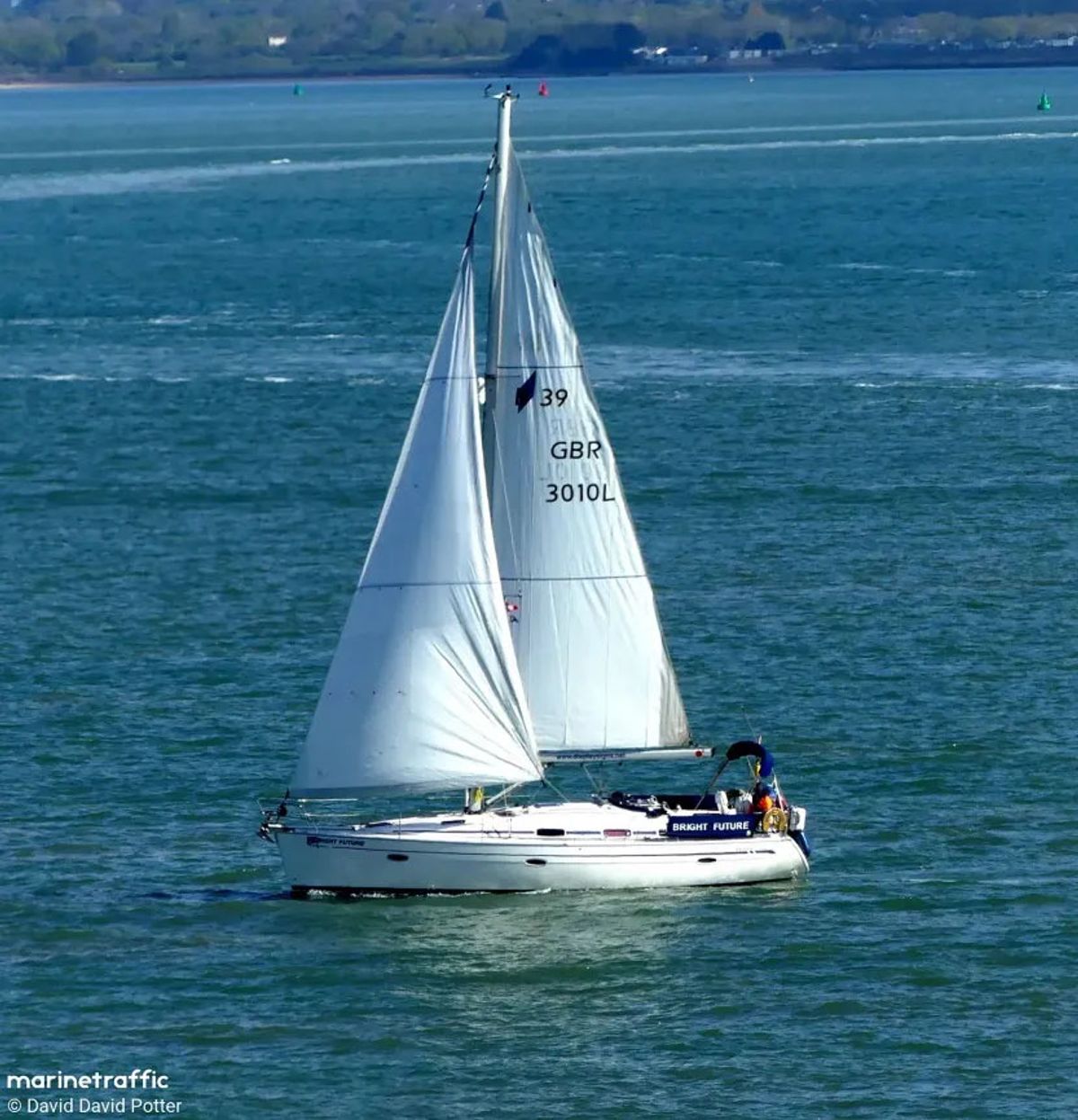
British couple Jane Kelvey, 68, and Alan Kelvey, 70, recounted their experience after Russian frigate Admiral Grigorovich fired warning shots at their 40ft yacht Bright Future on Tuesday in the English Channel approximately 20 nautical miles south of the Isle of Wight. The Russian defence ministry claimed the yacht was on a 'dangerous approach' and fired after attempting to alert the crew with signal flares and sound signals, but the couple stated they received no radio contact or flares and were not on a collision course. Russian warships traversing the English Channel are routinely tracked by the Royal Navy, with HMS Mersey overseeing the Admiral Grigorovich at the time of the incident.
Couple Describes Warning Shots as Unnecessary
Jane Kelvey and her husband Alan were sailing from the south coast of England towards France when the incident occurred. 'It was a bit scary,' Mrs Kelvey told The i Paper. 'I crouched down. I didn't think our safety was in danger. But it was certainly unusual. As we sailed away, we said to each other, what the hell just happened?'

Mrs Kelvey, who retired in 2023 along with her husband, described the shots as 'totally unnecessary', adding: 'We didn't have any contact from them (Admiral Grigorovich) on our radio.' The 68-year-old revealed that the Russian warship did not appear on the automatic identification system (AIS), a maritime tracking system. 'It wasn't showing up on AIS,' she said. 'Normally when you're sailing across the Channel, if a convoy of warships goes past, you get a message on VHF (very high frequency radio) saying give a one nautical mile exclusion zone, or something like that, but there was nothing.'
'They didn't radio us, they could have seen us coming from miles off, because we were displaying our AIS. The first thing we knew was the five blasts (of a horn), we turned to port, followed by the next five blasts, and then the gunfire, and so we just turned. There were none of these flares like they say in their statement,' Mr Kelvey stated. His wife added: 'They didn't send up any flares, they didn't try to radio us, they didn't look to us like they were adrift, and we were definitely not on a collision course.'
UK Ministry of Defence and Russian Defence Ministry Issue Statements
The Ministry of Defence (MoD) reported that the Russian vessel discharged warning shots after attempting to contact the yacht, which was beyond the UK's territorial waters. An MoD spokesperson clarified: 'These (shots) were not aimed at the vessel and were an attempt to prevent a possible collision.' It is believed that the warship had been drifting rather than being actively steered. The MoD spokesperson further commented: 'We assess that this is an isolated incident and not linked to the UK's interception of the Smyrtos this weekend.'
The Russian defence ministry stated on its Telegram channel on June 16 at 12:45 that the yacht had been on a 'dangerous approach' and the warning shots were fired after trying to alert the yacht's crew with signal flares and sound signals, according to a translation. A statement from the Kremlin read: 'In accordance with the International Regulations for Preventing Collisions at Sea, the frigate's crew made several attempts to contact the civilian vessel on the international radio channel. There was no change in the yacht's course or response to the international radio channel requests.'
The statement continued: 'To attract the attention of the yacht's crew, flares were fired and sound signals were sounded. Despite these measures, the vessel continued its dangerous approach. After closing the distance to 150 metres, the frigate's commander decided to fire pre-emptively at the vessel's course with small arms. The British-flagged yacht then immediately changed course and continued moving away from the Russian warship.'
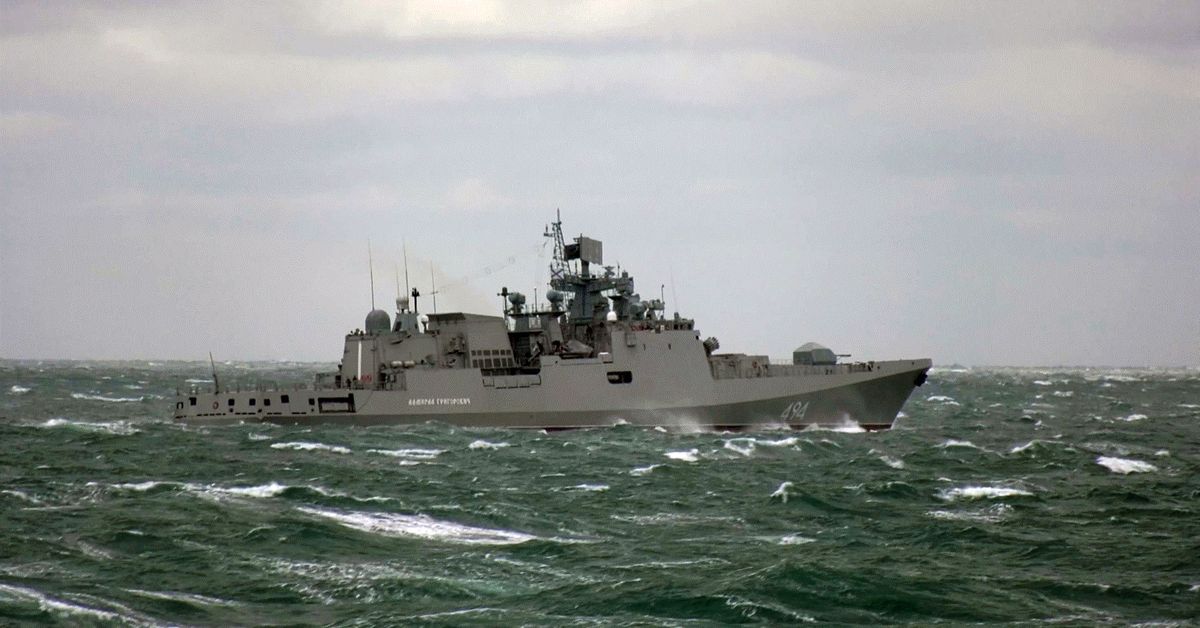
It claimed that the Russian sailors had acted 'in strict accordance' with international shipping regulations. Mr Kelvey dismissed the Russian statement as 'just normal lies', with the couple maintaining they were not on a collision course. Mrs Kelvey told BBC's Newsnight: 'It's just not true. They're blaming us, and as far as we're concerned, we were blameless.'
Royal Navy Tracked Russian Vessel During Incident
Russian warships traversing the English Channel are routinely tracked by the Royal Navy, with offshore patrol vessel HMS Mersey overseeing the Admiral Grigorovich at the time of Tuesday's incident. The pair reached out to the UK Coastguard, which then dispatched a boat from HMS Tyne, another patrol vessel, to the yacht to gather information and ensure their safety.
FAQ
What happened to the British couple's yacht in the English Channel?
Russian frigate Admiral Grigorovich fired warning shots at the 40ft yacht Bright Future, owned by Jane Kelvey, 68, and Alan Kelvey, 70, on Tuesday approximately 20 nautical miles south of the Isle of Wight. The couple stated they received no radio contact or warning flares before the shots were fired, contrary to Russian defence ministry claims.
Why did the Russian warship fire at the yacht according to official statements?
The Russian defence ministry claimed the yacht was on a 'dangerous approach' and fired warning shots after attempting to alert the crew with signal flares and sound signals, with the distance closing to 150 metres. The UK Ministry of Defence stated the shots were not aimed at the vessel and were an attempt to prevent a possible collision, believing the warship had been drifting.
How did UK authorities respond to the incident?
The Royal Navy's HMS Mersey was tracking the Admiral Grigorovich during the incident. After the couple contacted the UK Coastguard, HMS Tyne was dispatched to the yacht to gather information and ensure their safety. The Ministry of Defence assessed this as an isolated incident.


