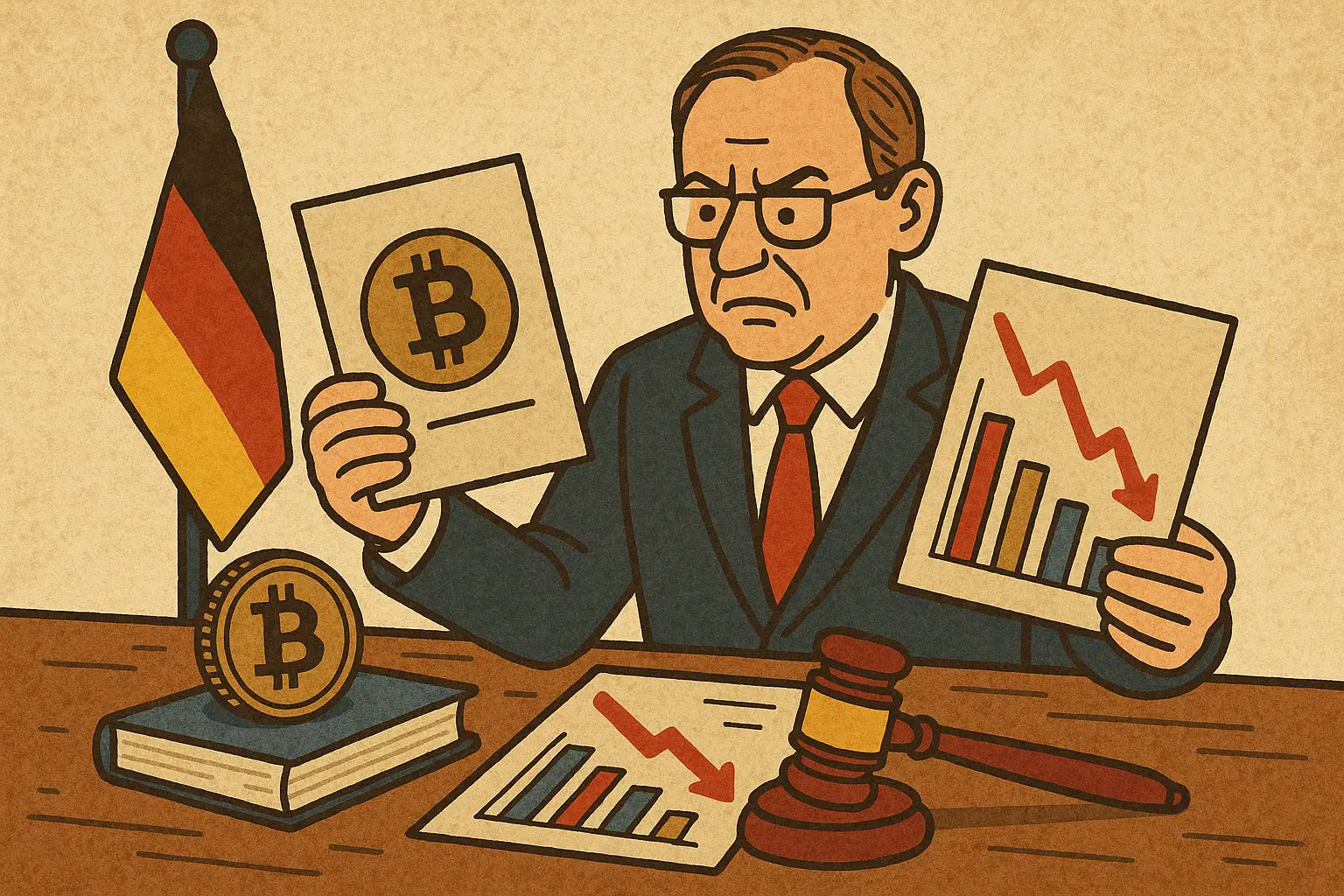
According to Bitcoin News on May 7, German Finance Minister Lars Klingbeil confirmed that the German government is planning to adopt “different” tax policies for Bitcoin and crypto assets, with the direction potentially being to scrap the current mechanism that exempts capital gains from tax for holdings longer than one year, and to align Bitcoin’s tax treatment with that of stock assets.
According to a report by Bitcoin News, Klingbeil said the German government plans to tax Bitcoin and crypto assets in a way that differs from the current rules. Under existing German law, individuals may sell Bitcoin tax-free after holding it for more than one year, with tax treatment similar to gold.
According to Bitcoin News, the proposed adjustment is intended to keep the tax treatment of crypto assets consistent with that of stock assets; if the adjustment is implemented, Bitcoin holders would have to pay tax on capital gains in any holding period, and would no longer enjoy the tax-free treatment for holdings exceeding one year.
According to Bitcoin News, some legal scholars have raised doubts about the proposed adjustments, arguing that if a stricter tax regime is applied specifically to Bitcoin while other assets such as gold retain the current treatment, it may involve the principle of equal protection under Germany’s Basic Law. The scholars noted that long-term holders had previously made financial decisions based on the existing framework, and that a sudden policy change faces legal challenges.
According to Bitcoin News, Austria previously already scrapped a similar tax-free policy for long-term holdings of crypto assets; Bitpanda co-founder Eric Demuth later publicly called the move “an extremely stupid decision,” arguing that the change increases bureaucracy and complexity but brings almost no tangible benefits to the country.
According to Bitcoin News’ May 7, 2026 report, Klingbeil confirmed that the German government is planning to adopt “different” tax policies for Bitcoin and crypto assets, with the direction potentially being to cancel the current mechanism that exempts holdings longer than one year, and to align the tax treatment of Bitcoin with that of stock assets.
According to Bitcoin News, some legal scholars pointed out that if a stricter tax regime is implemented only for Bitcoin while keeping tax exemptions for other assets such as gold, it may involve the principle of equal protection under Germany’s Basic Law; in particular, for long-term holders who made financial decisions based on the current framework, a sudden policy adjustment faces legal challenges.
According to Bitcoin News, Austria has already canceled a similar tax-free policy for long-term holdings of crypto assets; Bitpanda co-founder Eric Demuth called it “an extremely stupid decision,” saying that the related adjustments increase bureaucracy and complexity but bring almost no tangible gains for the state.
Related Articles
Bitcoin Holds $81K, Dogecoin Slides 4% as Global Equities Hit Records on Iran Ceasefire Optimism
Bitcoin ETF Panel: Custody, Advisors, Plumbing Lag
Bitcoin Social Sentiment Hits Four-Month High at 1.37:1 Bullish-to-Bearish Ratio as BTC Breaks $80,000
Whale Opens 40x Leveraged Long on 394.6 BTC Worth $31.94M on Hyperliquid
Bitcoin Could Hit $1 Million Within Five Years, Says VanEck's Sigel