In the early stages of the Web3 gaming industry, many projects relied mainly on token rewards to attract user growth. As the industry has developed, however, more platforms have come to recognize that if blockchain games lack real entertainment value and a community ecosystem, relying only on profit-driven incentives often makes it difficult to build a stable, long-term user base. As a result, “esports integration,” “community building,” and “sustainable economic models” have gradually become key directions for the new generation of GameFi platforms.
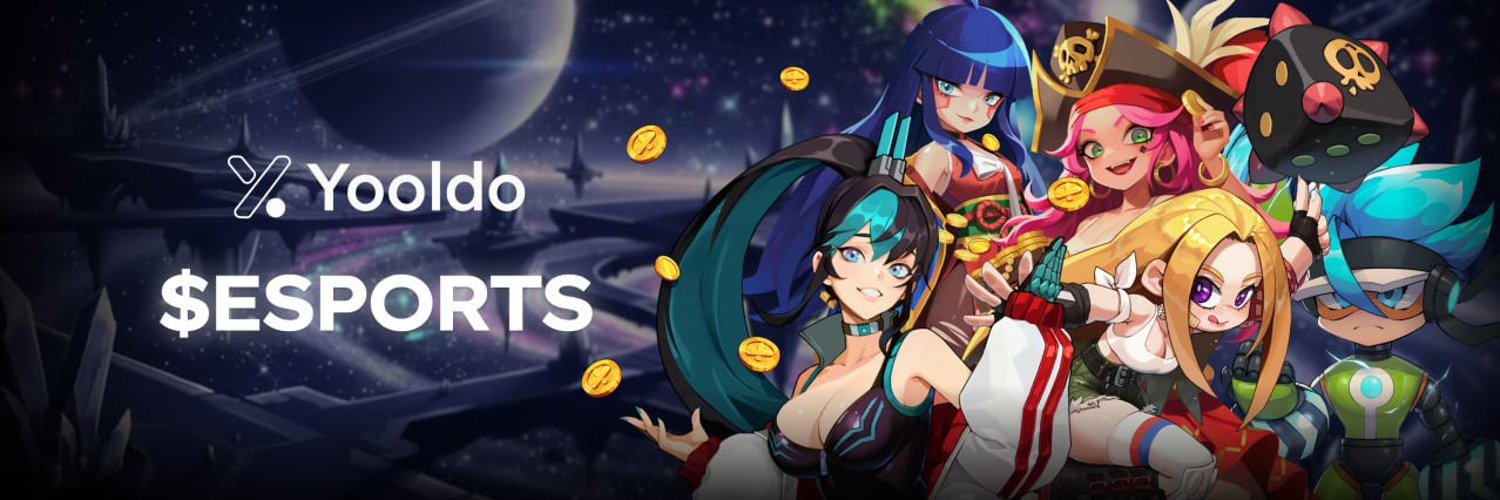
From an industry structure perspective, Yooldo represents more than a blockchain gaming project. It is also a hybrid platform model built around “Web2 gaming entertainment + Web3 digital economy”. The platform aims to attract Web2 players into the blockchain gaming ecosystem through familiar gaming experiences, while also allowing Web3 users to participate in a more complete digital entertainment system through NFTs, tokens, and esports mechanics.
Source: yooldo.gg
The revenue logic of Web3 esports platforms is clearly different from that of traditional gaming platforms. The traditional gaming industry usually relies on advertising, game downloads, or in-game purchases, while GameFi platforms place more emphasis on “digital asset circulation” and “ecosystem economic cycles.”
For Yooldo, its business model is essentially a combination of a gaming platform, an esports ecosystem, and a digital asset marketplace. As users continue to participate in games, esports activities, and NFT trading, the platform’s internal economy gradually forms a cycle, and the platform can generate revenue from these ecosystem activities.
At the same time, the esports system is also very important to platform operations. Compared with simply completing tasks to earn rewards, competitive mechanisms can improve long-term user engagement. Once players begin paying attention to rankings, tournaments, and community activities, the active life cycle of platform users usually becomes longer.
From an industry trend perspective, more Web3 gaming platforms are no longer just “blockchain game projects.” They are beginning to develop into “digital entertainment platforms.”
Yooldo’s Core Revenue Sources
Yooldo’s revenue sources are mainly built on its multilayered digital gaming ecosystem. The platform includes not only a blockchain gaming system, but also an NFT asset marketplace, esports activities, and a community economy.
NFT asset circulation is one of the platform’s important components. Players may obtain characters, equipment, or other digital assets during gameplay, and these assets can be traded and circulated on-chain. When users buy and sell NFTs, the platform typically earns a certain transaction fee.
At the same time, Yooldo also emphasizes a “multi-game connected ecosystem.” The platform aims to create a unified user system across different games, allowing users to participate in multiple game spaces through a single NFT. This model can improve the efficiency of digital asset use while strengthening long-term user retention.
For Web3 gaming platforms, what truly matters is not just one individual game, but whether they can build an ecosystem structure that operates sustainably over the long term. One of Yooldo’s core goals is precisely to build a unified esports and GameFi ecosystem.
How the P2E Game Economy Works
Play-to-Earn (P2E) is an important concept in the Web3 gaming industry. Its core logic is that users earn digital rewards by participating in games. Compared with the traditional gaming structure, where “players spend and platforms profit,” blockchain games attempt to turn users into ecosystem participants as well.
Yooldo’s understanding of P2E, however, is closer to a “Play and Earn (P&E)” model. The platform believes that Web2 players usually care more about whether a game is fun, while Web3 users care more about economic value and returns from digital assets. For that reason, a truly sustainable GameFi platform needs to satisfy both “entertainment value” and “economic value.”
This is also why Yooldo strongly emphasizes gameplay and esports mechanics. The platform does not want users to enter the ecosystem only for short-term profits. Instead, it hopes players will stay over the long term because of the gaming experience and community interaction.
From the perspective of industry development, GameFi is gradually moving from “profit-driven blockchain games” toward a new stage that gives equal weight to “gameplay experience + community ecosystem + digital economy.”
The Logic Behind the Esports Reward System
The esports system is one of the key differences between Yooldo and many traditional P2E projects. In many early blockchain games, users mainly earned token rewards by completing tasks, but this model often made user behavior overly dependent on short-term returns.
By contrast, esports mechanics place greater emphasis on competitiveness, long-term participation, and community interaction. Once players begin paying attention to rankings, tournament results, and team collaboration, their reason for participating is no longer simply to earn rewards. Instead, a community culture and competitive experience gradually begin to take shape.
| Revenue Structure |
Main Source |
| NFT trading |
Circulation of in-game assets |
| Platform fees |
Marketplace and game transactions |
| Game ecosystem |
In-game spending |
| Token system |
Platform economic activity |
| Esports activities |
Tournaments and community ecosystem |
For the platform, this shift is very important. Esports integration can not only improve user activity, but also help extend the life cycle of a game. Many traditional P2E projects quickly lose users after token hype fades, while esports systems can help platforms build a more stable user structure.
From an industry trend perspective, more Web3 gaming platforms are recognizing that relying only on economic incentives is not enough to sustain an ecosystem over the long term, and “esports integration” is becoming an important way to improve the sustainability of blockchain games.
NFTs and the Digital Asset System
NFTs are an important foundation of the Yooldo ecosystem. Unlike traditional games, digital assets in Web3 games can usually be truly held by users, rather than existing only inside the game platform.
This means the characters, equipment, or other game assets that players obtain can be transferred, traded, and even used across ecosystems on-chain. For many users, this kind of “digital asset ownership” is one of the biggest differences between Web3 games and traditional games.
Yooldo also introduces more flexible ways to participate. For example, some users may not personally play the game, but instead provide their NFTs for other players to use and earn a share of the rewards those players receive. This model is essentially a form of “blockchain gaming asset sharing economy,” which can improve NFT utilization while allowing more users to participate in the platform ecosystem.
From an industry perspective, NFTs are not merely “game items.” They are important infrastructure for the entire Web3 gaming economy.
GameFi User Incentive Structure
User incentives are one of the most central parts of a Web3 gaming platform. Whether a blockchain gaming ecosystem can operate over the long term depends heavily on whether its reward system is sustainable.
Many early GameFi projects faced serious inflation problems. When a platform continuously released reward tokens without real user growth, token prices often fell quickly, ultimately affecting the stability of the entire game ecosystem.
For this reason, Yooldo places greater emphasis on a “sustainable economic model.” The platform has proposed limiting the circulation scale of certain reward tokens in order to reduce the inflation risks common in traditional P2E models. At the same time, its multi-token system can help different games establish more independent economic structures rather than relying entirely on a single platform token.
From an industry development perspective, GameFi platforms are paying increasing attention to “long-term economic stability,” because a truly mature Web3 gaming ecosystem must balance user incentives, asset circulation, and economic stability at the same time.
The role of tokens in Web3 esports platforms is not limited to rewards. For Yooldo, $ESPORTS is more like the core economic medium that connects the entire platform ecosystem.
On one hand, tokens can help the platform build a user incentive system, allowing players, community members, and ecosystem participants to receive returns for their contributions. On the other hand, tokens also carry governance functions, allowing some holders to participate in decisions about the platform’s future features and ecosystem direction.
At the same time, the platform may redistribute part of its game fees, NFT marketplace revenue, and ecosystem income back into the community incentive system. This means users are not only consumers of the gaming platform, but may also become ecosystem participants.
From an industry structure perspective, Web3 gaming platforms are placing growing emphasis on a “community co-building” model, and tokens are an important tool for maintaining this kind of ecosystem coordination.
The Business Logic of the Web3 Gaming Ecosystem
The core business logic of the Web3 gaming ecosystem is fundamentally different from that of the traditional gaming industry. Traditional games place more emphasis on centralized operations, while Web3 games give greater importance to digital assets, community participation, and ecosystem circulation.
For Yooldo, the real goal is not merely to operate a single blockchain game, but to build a long-term sustainable esports and GameFi ecosystem. The platform hopes Web2 players will enter Web3 because of the gaming experience, while Web3 users will stay on the platform over the long term because of digital assets and the economic system.
This combination of “entertainment + esports + digital economy” also reflects an important development trend across the Web3 gaming industry. In the future, competition among blockchain gaming platforms may no longer be about “whose token rises more,” but about who can truly build a long-term user ecosystem and digital entertainment system.
Looking at the long-term trend, the Web3 gaming industry is gradually moving away from the early “high-yield blockchain gaming stage” and toward a new stage that places greater emphasis on game quality, community culture, and ecosystem operations. The business model represented by Yooldo is an important example of this shift.
Conclusion
Yooldo’s (ESPORTS) business model is essentially a combination of a “Web3 gaming platform + esports ecosystem + digital asset system.” Compared with many early P2E projects that relied only on token rewards, Yooldo places greater emphasis on cross-chain ecosystems, gameplay, esports mechanics, and long-term economic sustainability.
At the same time, its strategy of “connecting Web2 and Web3” also reflects an important trend in the current GameFi industry: blockchain gaming platforms with real long-term competitiveness will need more than a digital economic model. They will also need a complete gaming experience, community culture, and long-term ecosystem operating capability.
FAQs
What Is Yooldo (ESPORTS)?
Yooldo is a cross-chain gaming platform that combines Web3 games, esports systems, and a digital asset ecosystem.
How Does Yooldo Make Money?
It mainly generates revenue through NFT trading, platform fees, the gaming ecosystem, and digital asset circulation.
What Is Play-to-Earn (P2E)?
P2E refers to a model in which users earn digital assets or token rewards by participating in games.
Why Does Yooldo Emphasize Esports Mechanics?
Because competitive systems can improve long-term user engagement and community activity.
What Is the $ESPORTS Token Used For?
It is mainly used for ecosystem incentives, platform governance, and the community economy.