


# OilMarkets
7,138
BeautifulDay
#IranClosesStraitOfHormuz
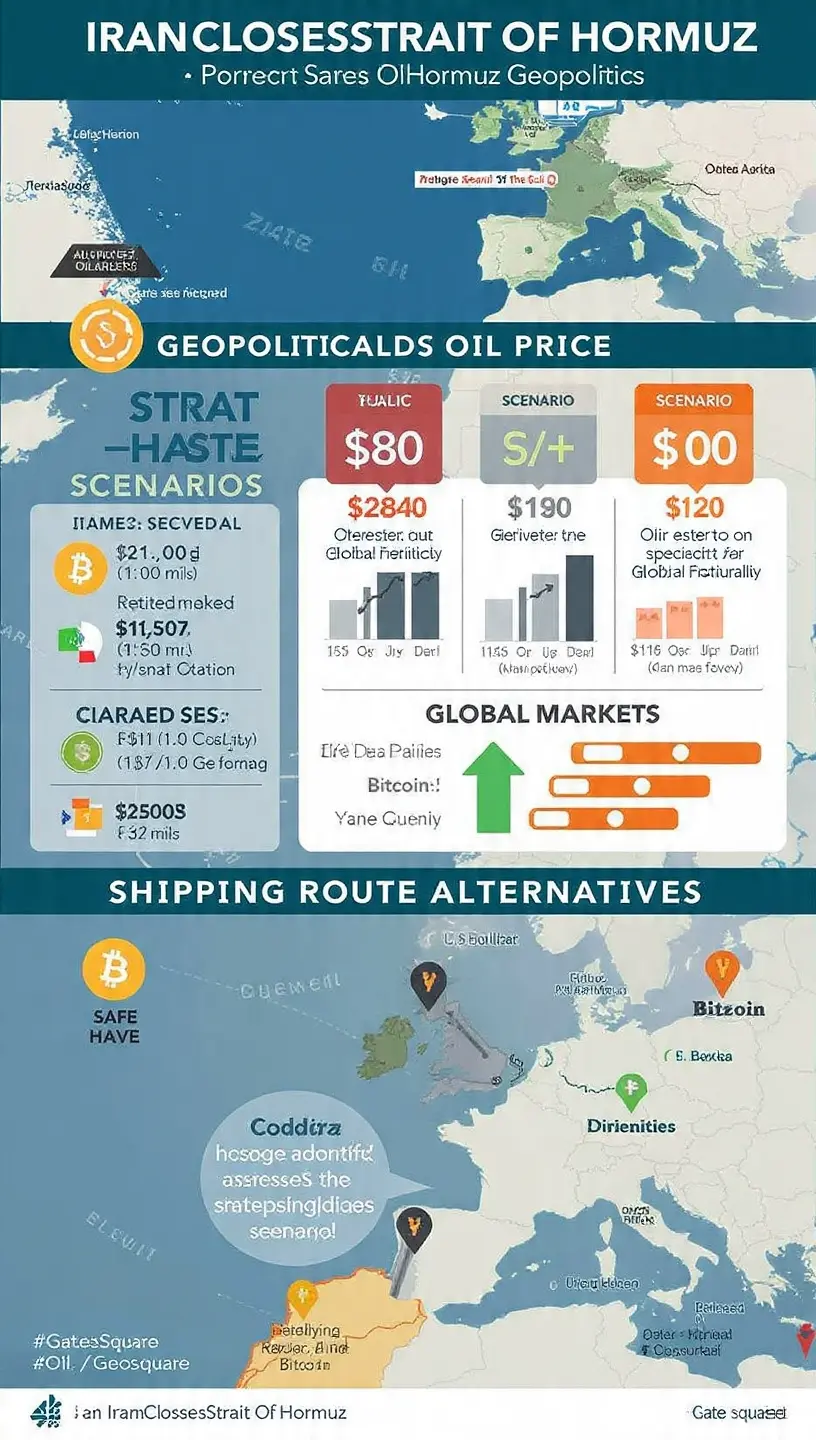
伊朗关闭霍尔木兹海峡:这可能意味着什么,及其对油价、通胀和加密市场的影响
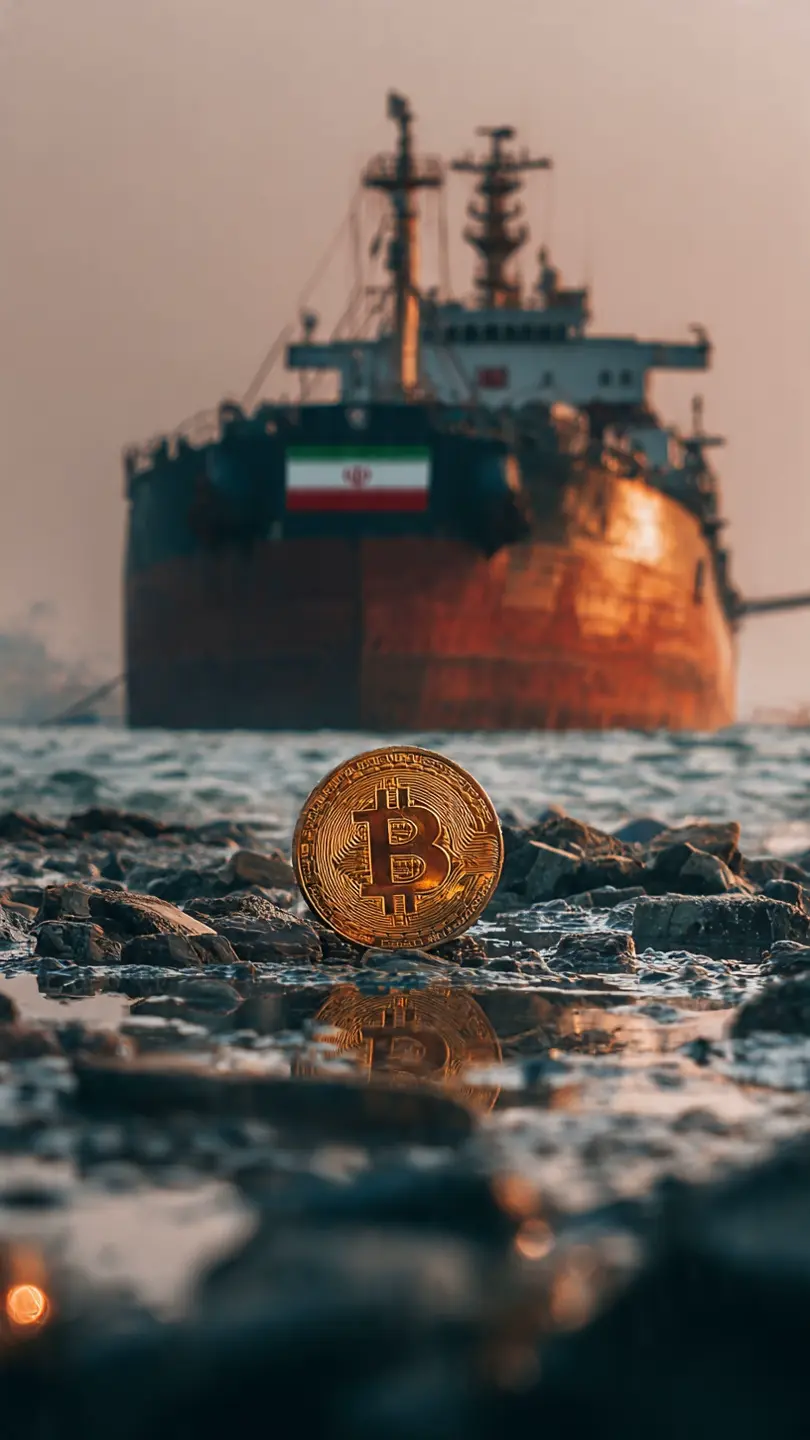
据称关闭霍尔木兹海峡已成为最受密切关注的地缘政治进展之一,引发了全球金融和能源市场的担忧。作为全球最关键的海上咽喉要道之一,霍尔木兹海峡通常承载约 20% 的全球石油贸易,以及相当可观的液化天然气出口份额。任何持续性中断都有可能对全球经济产生连锁效应。
首要的市场反应通常体现在能源价格上。较少的供给预期往往会推高原油价格,从而提高全球范围内的运输和制造成本。更高的能源价格可能助推通胀,令央行政策变得更为复杂,并增加金融市场的不确定性。
对于加密货币投资者而言,情况则更为复杂。在地缘政治紧张时期,市场往往会转向风险回避环境。资本可能会暂时流向传统的避险资产,对比特币及其他数字资产施加压力。波动率上升、流动性下降以及投资者更为谨慎,都可能引发剧烈的价格波动。
然而,历史也表明,长期的经济不确定性可能会增强对去中心化资产的兴趣。如果通胀上升、货币走弱,或对传统金融体系的信心下降,比特币可能会重新受到关注,成为替代的价值储存手段。主导哪一种叙事在很大程度上取决于地缘政治局势如何演变。
需要关注的市场
📈 原油价格
📉 全球股市
₿ 比特币与数字资产
🏦 央行政策
💵 通胀预期
🌍 全球航运与供应链
可能的情景
利多油价:持续性中断可能使原油价格维持在较高
伊朗关闭霍尔木兹海峡:这可能意味着什么,及其对油价、通胀和加密市场的影响
据称关闭霍尔木兹海峡已成为最受密切关注的地缘政治进展之一,引发了全球金融和能源市场的担忧。作为全球最关键的海上咽喉要道之一,霍尔木兹海峡通常承载约 20% 的全球石油贸易,以及相当可观的液化天然气出口份额。任何持续性中断都有可能对全球经济产生连锁效应。
首要的市场反应通常体现在能源价格上。较少的供给预期往往会推高原油价格,从而提高全球范围内的运输和制造成本。更高的能源价格可能助推通胀,令央行政策变得更为复杂,并增加金融市场的不确定性。
对于加密货币投资者而言,情况则更为复杂。在地缘政治紧张时期,市场往往会转向风险回避环境。资本可能会暂时流向传统的避险资产,对比特币及其他数字资产施加压力。波动率上升、流动性下降以及投资者更为谨慎,都可能引发剧烈的价格波动。
然而,历史也表明,长期的经济不确定性可能会增强对去中心化资产的兴趣。如果通胀上升、货币走弱,或对传统金融体系的信心下降,比特币可能会重新受到关注,成为替代的价值储存手段。主导哪一种叙事在很大程度上取决于地缘政治局势如何演变。
需要关注的市场
📈 原油价格
📉 全球股市
₿ 比特币与数字资产
🏦 央行政策
💵 通胀预期
🌍 全球航运与供应链
可能的情景
利多油价:持续性中断可能使原油价格维持在较高
BTC-0.81%
- 赞赏
- 3
- 2
- 转发
- 分享
Raveena:
飞向月球 🌕查看更多
#TradFiCFDGoldMasters
黄金的转折点:为什么这个市场值得每个交易者关注
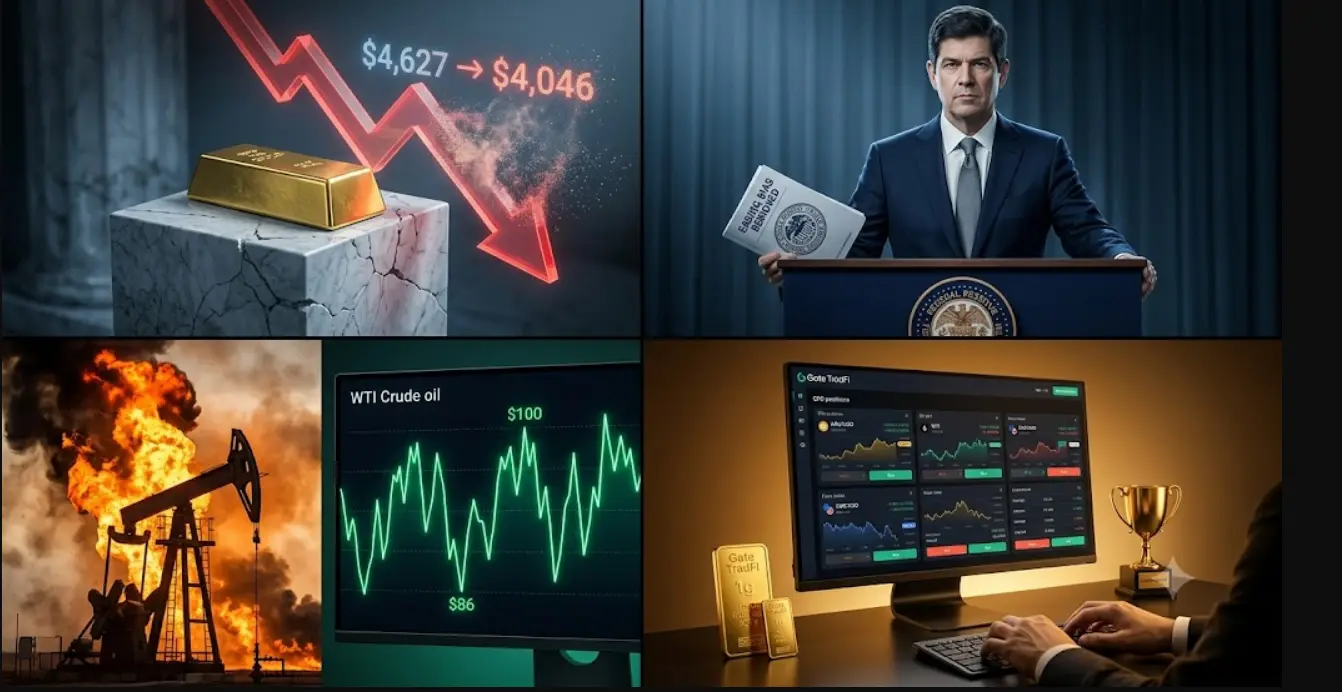
黄金一直是近年来最强劲的宏观交易之一,但过去几周提醒交易者:没有任何市场会沿着一条直线一直运行。
在一次剧烈回调使许多参与者猝不及防之后,恐惧很快取代了信心。社交媒体上充满了看空预测,交易者开始质疑长期趋势,许多人不再寻找机会,而是寻找退出。
但市场回调往往会揭示一些重要的东西:它们将情绪化决策与战略性决策区分开来。
当前环境之所以如此引人关注,是因为这不再只是一个关于黄金的故事。黄金、原油、外汇、股票,甚至加密货币,正在对相同的全球力量作出反应。通胀担忧、央行政策、地缘政治紧张局势,以及流动性条件的变化,正在在同一时间塑造每一个主要市场。
也正因如此,Gate TradFi CFD 黄金大师活动才在如此关键的时刻到来,为交易者提供了特别值得关注的契机。
超越头条新闻的视角
许多交易者只盯着价格。
专业交易者关注的是:为什么价格会在移动。
近期黄金走弱受到对货币政策的预期、更强势的美元环境,以及市场情绪变化的影响。与此同时,地缘政治的不确定性和通胀担忧仍在更长周期内为贵金属提供支撑。
这就形成了一个让多空双方论点都站得住脚的市场环境。
这也是为什么:准备比预测更重要。
看涨的观点
黄金仍然是全球最受认可的防御型资产之一。
如果通胀继续居高不下,而经济不确定性持续存在,投资者可能会再次通过贵
查看原文黄金的转折点:为什么这个市场值得每个交易者关注
黄金一直是近年来最强劲的宏观交易之一,但过去几周提醒交易者:没有任何市场会沿着一条直线一直运行。
在一次剧烈回调使许多参与者猝不及防之后,恐惧很快取代了信心。社交媒体上充满了看空预测,交易者开始质疑长期趋势,许多人不再寻找机会,而是寻找退出。
但市场回调往往会揭示一些重要的东西:它们将情绪化决策与战略性决策区分开来。
当前环境之所以如此引人关注,是因为这不再只是一个关于黄金的故事。黄金、原油、外汇、股票,甚至加密货币,正在对相同的全球力量作出反应。通胀担忧、央行政策、地缘政治紧张局势,以及流动性条件的变化,正在在同一时间塑造每一个主要市场。
也正因如此,Gate TradFi CFD 黄金大师活动才在如此关键的时刻到来,为交易者提供了特别值得关注的契机。
超越头条新闻的视角
许多交易者只盯着价格。
专业交易者关注的是:为什么价格会在移动。
近期黄金走弱受到对货币政策的预期、更强势的美元环境,以及市场情绪变化的影响。与此同时,地缘政治的不确定性和通胀担忧仍在更长周期内为贵金属提供支撑。
这就形成了一个让多空双方论点都站得住脚的市场环境。
这也是为什么:准备比预测更重要。
看涨的观点
黄金仍然是全球最受认可的防御型资产之一。
如果通胀继续居高不下,而经济不确定性持续存在,投资者可能会再次通过贵
- 赞赏
- 17
- 17
- 转发
- 分享
Ai_Power:
直达月球 🌕查看更多
#AnthropicValuationHits965BillionDollars 美国伊朗谈判游戏 | 全球宏观情报简报:2026年的地缘政治定价引擎
执行摘要
美国-伊朗谈判游戏已超越传统外交,成为2026年塑造全球金融市场的最主要宏观力量之一。作为一个持续运作的地缘政治定价引擎,这一摩擦直接传导风险至能源、贵金属、数字资产、股票和主权货币。
传统市场基本面——如企业盈利、货币政策和标准供需动态——已被严重置于地缘政治波动机制之下。在这个高风险环境中,突发新闻主导短期资本流动,而系统性宏观布局定义长期市场结构。
1. 核心地缘政治架构与传导渠道
冲突在多层次战略框架内运作,形成自我强化的波动循环:
美国向量:持续且不断演变的制裁,针对伊朗的石油出口、海运物流和银行准入,强制其与全球金融体系严格隔离。
伊朗向量:通过核浓缩技术进步、地区代理网络和对关键海上 chokepoints 的非对称控制,维持战略杠杆。
霍尔木兹海峡 chokepoint
占全球石油和液化天然气消费近五分之一,霍尔木兹海峡充当全球能源压力阀。军事信号增强或战术中断会立即引发系统性冲击:
海运保险费指数指数级上升。
物流摩擦、油轮改道延误和全球供应有效性下降。
前月原油期货的立即、激烈的重新定价。
市场现实:能源市场不再仅仅定价实际的物理油桶;它们不断定价结构性中断的数学概率。
2. 能源市场矩阵与定价场景
原
查看原文执行摘要
美国-伊朗谈判游戏已超越传统外交,成为2026年塑造全球金融市场的最主要宏观力量之一。作为一个持续运作的地缘政治定价引擎,这一摩擦直接传导风险至能源、贵金属、数字资产、股票和主权货币。
传统市场基本面——如企业盈利、货币政策和标准供需动态——已被严重置于地缘政治波动机制之下。在这个高风险环境中,突发新闻主导短期资本流动,而系统性宏观布局定义长期市场结构。
1. 核心地缘政治架构与传导渠道
冲突在多层次战略框架内运作,形成自我强化的波动循环:
美国向量:持续且不断演变的制裁,针对伊朗的石油出口、海运物流和银行准入,强制其与全球金融体系严格隔离。
伊朗向量:通过核浓缩技术进步、地区代理网络和对关键海上 chokepoints 的非对称控制,维持战略杠杆。
霍尔木兹海峡 chokepoint
占全球石油和液化天然气消费近五分之一,霍尔木兹海峡充当全球能源压力阀。军事信号增强或战术中断会立即引发系统性冲击:
海运保险费指数指数级上升。
物流摩擦、油轮改道延误和全球供应有效性下降。
前月原油期货的立即、激烈的重新定价。
市场现实:能源市场不再仅仅定价实际的物理油桶;它们不断定价结构性中断的数学概率。
2. 能源市场矩阵与定价场景
原
- 赞赏
- 3
- 9
- 转发
- 分享
AYATTAC:
1000倍的Vibes 🤑查看更多
#MiddleEastTensionsAndTheCryptoRiskPremium
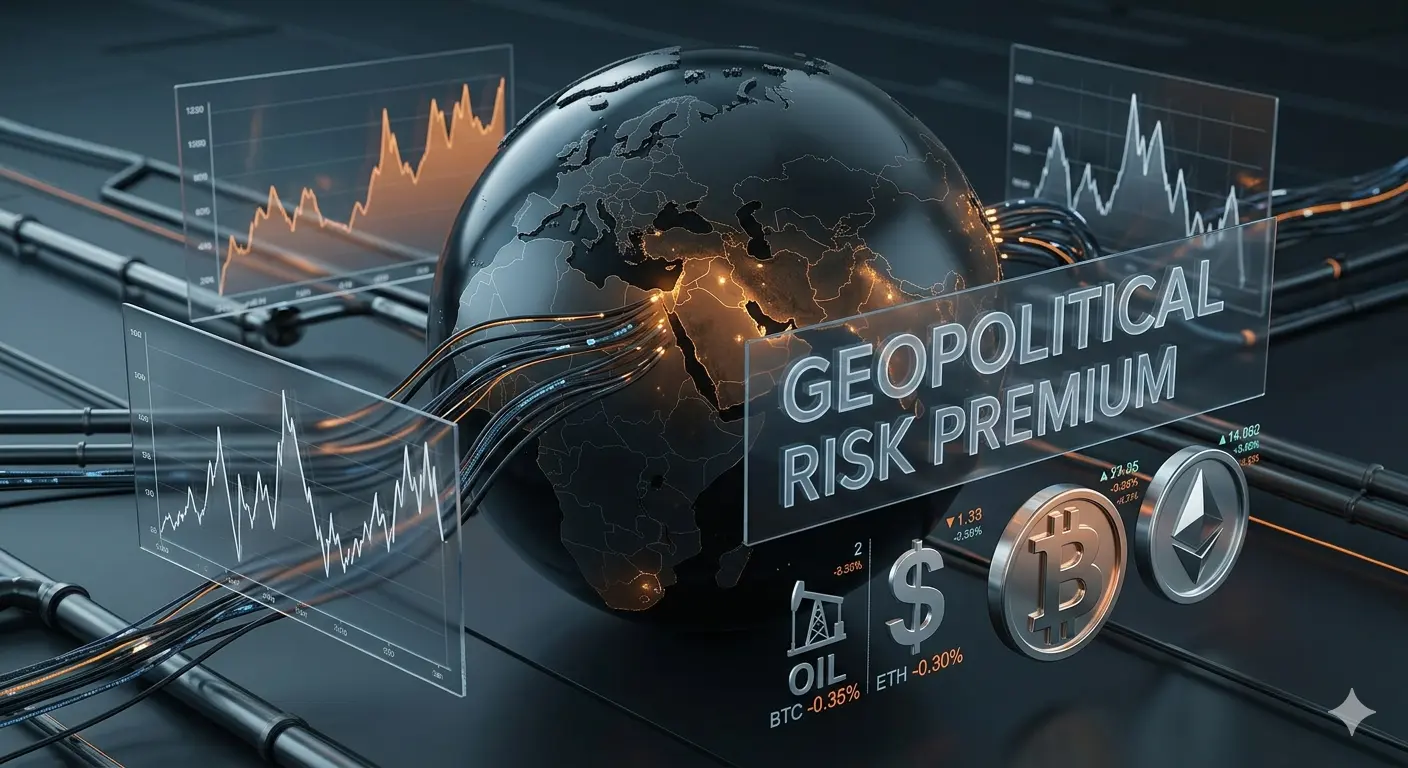
🌍 地缘政治风险正成为加密市场的主要驱动力
数字资产市场不再孤立运作。随着机构参与度的持续扩大,加密货币与全球宏观经济和地缘政治发展的联系日益紧密。
最近中东地区的事件再次凸显了地区紧张局势如何影响多种资产类别的投资者行为。从外交谈判和安全关切到影响全球能源市场的发展,每一个重大新闻都可能对全球金融市场产生潜在影响。
📊 为什么这对加密货币很重要?
能源价格在塑造全球通胀趋势中起着关键作用。任何推高油价的中断都可能增加通胀压力,使中央银行更难采取宽松的货币政策。
对于数字资产来说,流动性仍然是最重要的长期驱动因素之一。当市场预期利率将长期维持较高水平时,风险敏感行业通常会面临更大的波动性,加密货币也不例外。
💡 市场反应背后的心理学
不确定时期通常会促使投资者减少风险敞口。在这些阶段,资金往往转向传统的防御性资产,而投机性行业的价格波动则会加剧。
然而,比特币在全球市场中仍占据着独特的位置。
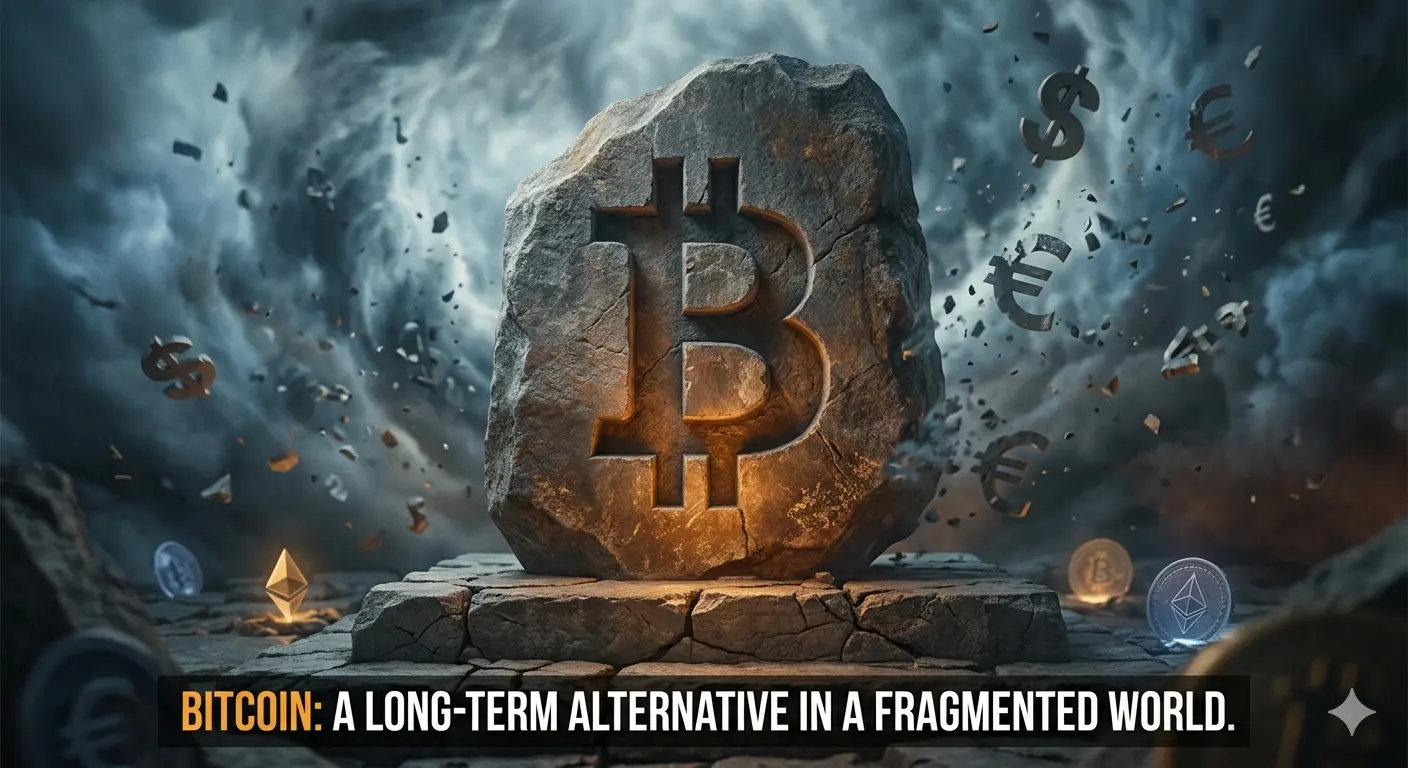
一些投资者仍将其视为风险资产,而另一些人则越来越将其视为在债务水平上升、货币不确定性和地缘政治碎片化环境中的长期替代品。这形成了一种复杂的动态,短期波动可以与增强的长期信念共存。
⚡ 能源联系
全球能源运输网络仍然对经济稳定至关重要。任何关于主要供应路线的担忧都可能影响商品市场、运输成本、通胀预期和整
🌍 地缘政治风险正成为加密市场的主要驱动力
数字资产市场不再孤立运作。随着机构参与度的持续扩大,加密货币与全球宏观经济和地缘政治发展的联系日益紧密。
最近中东地区的事件再次凸显了地区紧张局势如何影响多种资产类别的投资者行为。从外交谈判和安全关切到影响全球能源市场的发展,每一个重大新闻都可能对全球金融市场产生潜在影响。
📊 为什么这对加密货币很重要?
能源价格在塑造全球通胀趋势中起着关键作用。任何推高油价的中断都可能增加通胀压力,使中央银行更难采取宽松的货币政策。
对于数字资产来说,流动性仍然是最重要的长期驱动因素之一。当市场预期利率将长期维持较高水平时,风险敏感行业通常会面临更大的波动性,加密货币也不例外。
💡 市场反应背后的心理学
不确定时期通常会促使投资者减少风险敞口。在这些阶段,资金往往转向传统的防御性资产,而投机性行业的价格波动则会加剧。
然而,比特币在全球市场中仍占据着独特的位置。
一些投资者仍将其视为风险资产,而另一些人则越来越将其视为在债务水平上升、货币不确定性和地缘政治碎片化环境中的长期替代品。这形成了一种复杂的动态,短期波动可以与增强的长期信念共存。
⚡ 能源联系
全球能源运输网络仍然对经济稳定至关重要。任何关于主要供应路线的担忧都可能影响商品市场、运输成本、通胀预期和整
BTC-0.81%
- 赞赏
- 7
- 2
- 转发
- 分享
CryptoDiscovery:
直达月球 🌕查看更多
#USIranNegotiationGame
🌍 美伊协议进展:市场缓解反弹还是暴风雨前的短暂平静?
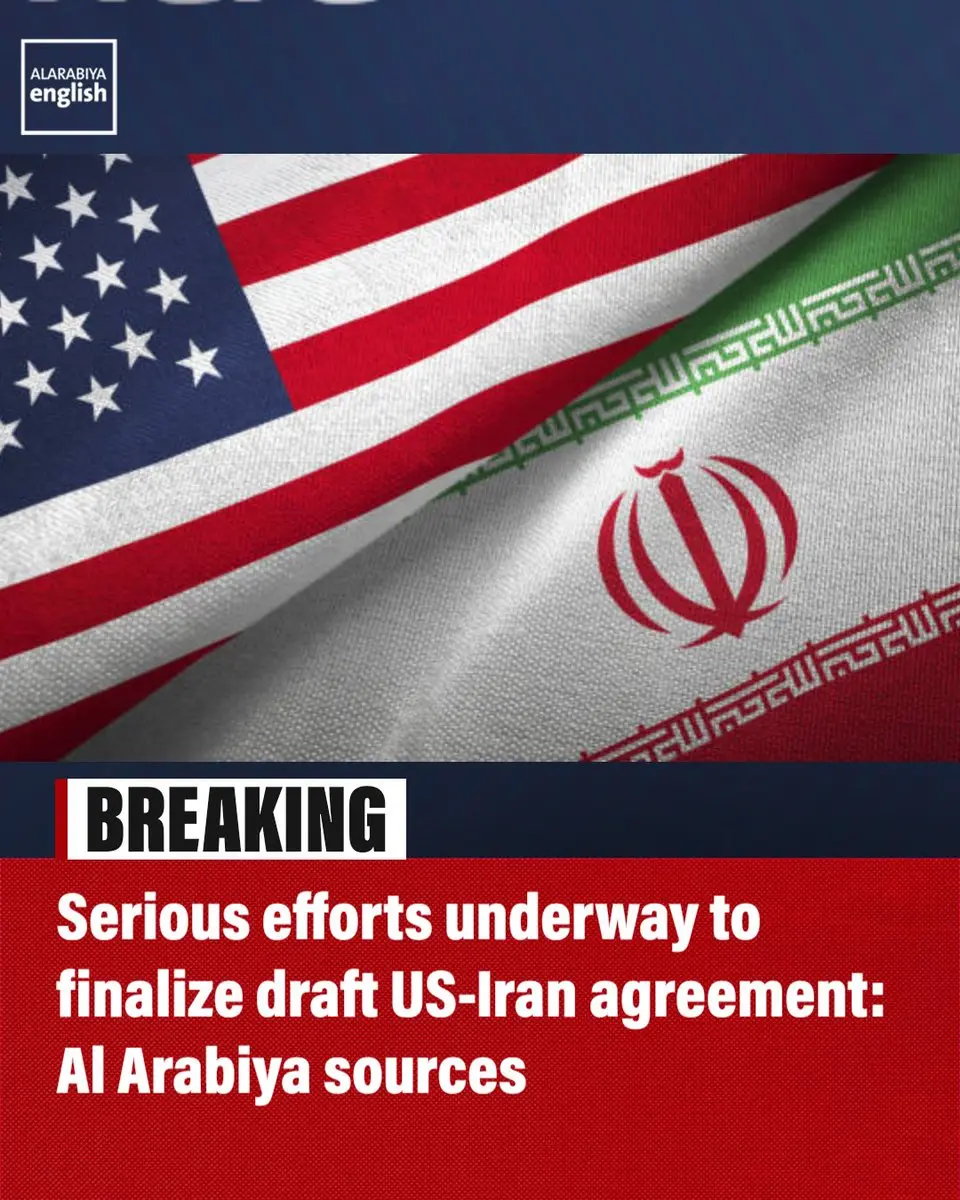
美国与伊朗谈判的最新进展正成为我今年观察到的最有趣的宏观布局之一。消息人士称双方已达成谅解备忘录,但最终批准仍待两国政府确认。这意味着我们看到了一些进展,但尚不确定。
市场的第一反应是合理的。油价受到压力,因为交易员立即开始预期霍尔木兹海峡能源流动将更加顺畅,供应中断减少。然而,令我印象深刻的是,地缘政治风险溢价尚未完全消失。
为什么?因为协议仍面临政治批准,我们已经看到关于草案细节的相互矛盾的报道和官方否认。在这种情况下,情绪可能一夜之间发生变化。
从交易角度来看,我关注两个关键场景。如果双方正式批准框架,随着供应担忧缓解,能源市场可能会面临额外的下行压力。风险资产如股票和加密货币可能会从改善的全球情绪中受益。另一方面,如果谈判陷入僵局或出现新的分歧,油价可能会大幅反弹,交易员会急于重新定价地缘政治风险。
就我个人而言,我避免仅凭头条新闻进行情绪化交易。相反,我会保持仓位比平时更小,等待确认后再采取激进行动。市场的变化通常比事实更快,耐心通常比FOMO更有价值。
我目前的观点是谨慎乐观。双方仍在对话,这是积极的,但我认为这个故事还没有结束。下一次官方声明可能决定这是否成为历史性突破,还是仅仅是漫长谈判过程中的又一章节。
你的预测是什么:这份协议最终会获得批准,缓解地区紧张局势
查看原文🌍 美伊协议进展:市场缓解反弹还是暴风雨前的短暂平静?
美国与伊朗谈判的最新进展正成为我今年观察到的最有趣的宏观布局之一。消息人士称双方已达成谅解备忘录,但最终批准仍待两国政府确认。这意味着我们看到了一些进展,但尚不确定。
市场的第一反应是合理的。油价受到压力,因为交易员立即开始预期霍尔木兹海峡能源流动将更加顺畅,供应中断减少。然而,令我印象深刻的是,地缘政治风险溢价尚未完全消失。
为什么?因为协议仍面临政治批准,我们已经看到关于草案细节的相互矛盾的报道和官方否认。在这种情况下,情绪可能一夜之间发生变化。
从交易角度来看,我关注两个关键场景。如果双方正式批准框架,随着供应担忧缓解,能源市场可能会面临额外的下行压力。风险资产如股票和加密货币可能会从改善的全球情绪中受益。另一方面,如果谈判陷入僵局或出现新的分歧,油价可能会大幅反弹,交易员会急于重新定价地缘政治风险。
就我个人而言,我避免仅凭头条新闻进行情绪化交易。相反,我会保持仓位比平时更小,等待确认后再采取激进行动。市场的变化通常比事实更快,耐心通常比FOMO更有价值。
我目前的观点是谨慎乐观。双方仍在对话,这是积极的,但我认为这个故事还没有结束。下一次官方声明可能决定这是否成为历史性突破,还是仅仅是漫长谈判过程中的又一章节。
你的预测是什么:这份协议最终会获得批准,缓解地区紧张局势

- 赞赏
- 10
- 23
- 转发
- 分享
ShainingMoon:
直达月球 🌕查看更多
#USIranDraftDeal ⚡ | 刚刚震撼全球市场的交易
数周来,市场一直在恐惧中交易。
对战争的恐惧。
对石油短缺的恐惧。
对通胀失控的恐惧。
担心霍尔木兹海峡——世界最关键的能源通道——可能陷入地缘政治混乱。
然后突然……
一切都改变了。
关于美伊草案协议的报道引发了本月全球市场见证的最剧烈的情绪逆转之一。油价崩盘,股市反弹,交易者立即开始重新布局,迎接完全不同的宏观环境。
🌍 为什么这笔交易如此重要
这不仅仅是另一个政治头条。
这是一场流动性事件。
霍尔木兹海峡控制着全球大量的石油运输。数月来,关于中断的担忧使能源价格高企,通胀压力危险地升高。
现在,关于和平框架草案的乐观情绪正在迅速改变市场心理。
一旦传出进展的谣言:
📉 布伦特原油急剧下跌
📉 WTI原油跌向两周低点
📈 股指期货反弹
📈 风险偏好强烈回归
市场不再只定价恐惧。
它们开始定价正常化。
🔥 石油是第一个多米诺骨牌
最大反应发生在能源市场内部。
石油交易员立即明白成功协议可能意味着什么:
✔ 恢复航运路线
✔ 缓解供应链压力
✔ 降低地缘政治溢价
✔ 预期通胀降低
✔ 稳定全球物流
布伦特原油大幅下跌,投资者纷纷解除战争驱动的仓位。
而这一动作的意义远超商品。
因为油价影响一切:
⚡ 通胀
⚡ 央行政策
⚡ 运输成本
⚡ 全球制造
⚡ 消费者支出
⚡ 风险情绪
当油价急剧下跌……
整个宏观
数周来,市场一直在恐惧中交易。
对战争的恐惧。
对石油短缺的恐惧。
对通胀失控的恐惧。
担心霍尔木兹海峡——世界最关键的能源通道——可能陷入地缘政治混乱。
然后突然……
一切都改变了。
关于美伊草案协议的报道引发了本月全球市场见证的最剧烈的情绪逆转之一。油价崩盘,股市反弹,交易者立即开始重新布局,迎接完全不同的宏观环境。
🌍 为什么这笔交易如此重要
这不仅仅是另一个政治头条。
这是一场流动性事件。
霍尔木兹海峡控制着全球大量的石油运输。数月来,关于中断的担忧使能源价格高企,通胀压力危险地升高。
现在,关于和平框架草案的乐观情绪正在迅速改变市场心理。
一旦传出进展的谣言:
📉 布伦特原油急剧下跌
📉 WTI原油跌向两周低点
📈 股指期货反弹
📈 风险偏好强烈回归
市场不再只定价恐惧。
它们开始定价正常化。
🔥 石油是第一个多米诺骨牌
最大反应发生在能源市场内部。
石油交易员立即明白成功协议可能意味着什么:
✔ 恢复航运路线
✔ 缓解供应链压力
✔ 降低地缘政治溢价
✔ 预期通胀降低
✔ 稳定全球物流
布伦特原油大幅下跌,投资者纷纷解除战争驱动的仓位。
而这一动作的意义远超商品。
因为油价影响一切:
⚡ 通胀
⚡ 央行政策
⚡ 运输成本
⚡ 全球制造
⚡ 消费者支出
⚡ 风险情绪
当油价急剧下跌……
整个宏观
BTC-0.81%
- 赞赏
- 12
- 24
- 转发
- 分享
MrFlower_XingChen:
直达月球 🌕查看更多
#GateSquareDaily #GateSquareDaily
#GlobalGrowth
🌍 全球市场正密切关注中东可能出现的外交转变。
伊朗媒体的最新报道显示,涉及巴基斯坦作为调解人的间接会谈可能已推动伊朗与美国的紧张关系朝着可能的草案理解迈进。虽然尚未发布官方确认,但早期信号已开始影响市场情绪。
📊 这对全球市场为何重要:
• 降低地缘政治紧张局势可能稳定能源市场
• 原油流动预期直接影响全球风险偏好
• 积极的外交势头通常会提升投资者信心
• 像加密货币这样的风险资产往往对全球稳定信号反应强烈
巴基斯坦作为沟通桥梁的报道引起了额外关注,特别是由于其战略区域关系和均衡的外交立场。
在加密货币方面,比特币交易者正密切关注。
如果全球不确定性持续缓解,机构兴趣和ETF相关资金流入可能再次增强,随着风险偏好回归金融市场。
⚡ 市场的变动不仅取决于数字——还取决于信心和全球稳定。
即使是早期的外交信号,也能在能源、股票和数字资产中引发重大反应。
目前,投资者仍关注双方是否在未来几天发布正式声明。
#OilMarkets #ETF #数字资产
#GlobalGrowth
🌍 全球市场正密切关注中东可能出现的外交转变。
伊朗媒体的最新报道显示,涉及巴基斯坦作为调解人的间接会谈可能已推动伊朗与美国的紧张关系朝着可能的草案理解迈进。虽然尚未发布官方确认,但早期信号已开始影响市场情绪。
📊 这对全球市场为何重要:
• 降低地缘政治紧张局势可能稳定能源市场
• 原油流动预期直接影响全球风险偏好
• 积极的外交势头通常会提升投资者信心
• 像加密货币这样的风险资产往往对全球稳定信号反应强烈
巴基斯坦作为沟通桥梁的报道引起了额外关注,特别是由于其战略区域关系和均衡的外交立场。
在加密货币方面,比特币交易者正密切关注。
如果全球不确定性持续缓解,机构兴趣和ETF相关资金流入可能再次增强,随着风险偏好回归金融市场。
⚡ 市场的变动不仅取决于数字——还取决于信心和全球稳定。
即使是早期的外交信号,也能在能源、股票和数字资产中引发重大反应。
目前,投资者仍关注双方是否在未来几天发布正式声明。
#OilMarkets #ETF #数字资产
BTC-0.81%
- 赞赏
- 点赞
- 评论
- 转发
- 分享
#TrumpDelaysIranStrike 特朗普推迟对伊朗的打击——地缘政治缓和如何重塑加密市场
突发进展
2026年5月18日,特朗普总统宣布推迟原定于5月19日对伊朗的军事打击,此前沙特阿拉伯、卡塔尔和阿联酋领导人直接呼吁。在一篇冗长的真相社交媒体帖子中,特朗普表示海湾盟友已敦促美国“暂缓行动”,因为“正在进行严肃的谈判”,并且可能达成一项“对美国以及中东及其他所有国家都非常可接受的协议”。
延迟时间:2-3天,或者如果外交成功,可能“永远”。然而,特朗普明确表示,美国军方仍处于待命状态,准备在谈判破裂时“随时发起对伊朗的全面、大规模攻击”。这不是撤退,而是战术性暂停,旨在对德黑兰施加最大压力,同时为外交争取一个狭窄的窗口。
宏观市场影响——油价下跌,美元走软
立即的宏观反应是典型的地缘政治缓解。布伦特原油下跌2.25%,至约109.58美元/桶,而WTI下跌1.69%,至约102.62美元/桶。由于伊朗相关的全球原油和液化天然气流动中断以及霍尔木兹海峡的部分关闭,油价已升高数周。特朗普的推迟宣布被交易员解读为白宫仍不愿冒更大区域升级的风险,这可能进一步扼制中东能源出口,因此原油价格出现下行修正。
美元走软,风险偏好回升,欧元走强。亚洲股市因伊朗协议乐观情绪略有上涨。叙述很清楚:缓和减少了全球供应链短期尾部风险,这对风险资产整体有利,但利剑仍悬挂,意味着波动性远未结束。
加
查看原文突发进展
2026年5月18日,特朗普总统宣布推迟原定于5月19日对伊朗的军事打击,此前沙特阿拉伯、卡塔尔和阿联酋领导人直接呼吁。在一篇冗长的真相社交媒体帖子中,特朗普表示海湾盟友已敦促美国“暂缓行动”,因为“正在进行严肃的谈判”,并且可能达成一项“对美国以及中东及其他所有国家都非常可接受的协议”。
延迟时间:2-3天,或者如果外交成功,可能“永远”。然而,特朗普明确表示,美国军方仍处于待命状态,准备在谈判破裂时“随时发起对伊朗的全面、大规模攻击”。这不是撤退,而是战术性暂停,旨在对德黑兰施加最大压力,同时为外交争取一个狭窄的窗口。
宏观市场影响——油价下跌,美元走软
立即的宏观反应是典型的地缘政治缓解。布伦特原油下跌2.25%,至约109.58美元/桶,而WTI下跌1.69%,至约102.62美元/桶。由于伊朗相关的全球原油和液化天然气流动中断以及霍尔木兹海峡的部分关闭,油价已升高数周。特朗普的推迟宣布被交易员解读为白宫仍不愿冒更大区域升级的风险,这可能进一步扼制中东能源出口,因此原油价格出现下行修正。
美元走软,风险偏好回升,欧元走强。亚洲股市因伊朗协议乐观情绪略有上涨。叙述很清楚:缓和减少了全球供应链短期尾部风险,这对风险资产整体有利,但利剑仍悬挂,意味着波动性远未结束。
加
- 赞赏
- 5
- 6
- 转发
- 分享
山顶楚老魔:
自行研究 🤓查看更多
#EnergyShock2026 #全球市场承压
2026年的能源危机正迅速成为本十年最具标志性的宏观经济事件之一。石油不再仅仅依靠传统的供需动态——它现在几乎每分钟都在对地缘政治紧张局势、军事头条、航运中断和全球恐慌情绪做出反应。每一个关于美伊局势的发展都立即影响着全球的商品、股市、货币、债券、黄金和加密货币。
最大担忧仍然是全球能源供应路线的安全。即使没有完全中断,仅仅是不确定性就足以在原油市场引发剧烈的价格波动。交易者现在不仅在定价当前的状况,还在考虑未来供应短缺的可能性。这种恐惧溢价使油价成为2026年最具波动性的资产之一。
布伦特原油今年早些时候曾在70美元左右交易,但紧张局势升级在恐慌阶段将价格推高得急剧。临时飙升至120美元以上反映出市场对地缘政治风险变得多么敏感。虽然价格后来从极端高点回落,但油价仍远高于早期水平,全球通胀担忧依然存在。
后果远远超出燃料价格。油价上涨增加了交通运输、制造成本、航运费用、航空运营、食品物流和工业生产的开支。随着能源变得更昂贵,通胀在全球经济中蔓延。各国央行现在面临着在控制通胀和避免经济衰退风险之间日益困难的平衡。
金融市场也在相应反应。更高的能源价格增强了黄金的避险需求,同时也在股市和加密市场制造不确定性。比特币和山寨币继续对宏观经济头条做出剧烈反应,因为交易者现在将数字资产与全球流动性状况和利率预期紧密联系。
黄金已成为不确定性环境
查看原文2026年的能源危机正迅速成为本十年最具标志性的宏观经济事件之一。石油不再仅仅依靠传统的供需动态——它现在几乎每分钟都在对地缘政治紧张局势、军事头条、航运中断和全球恐慌情绪做出反应。每一个关于美伊局势的发展都立即影响着全球的商品、股市、货币、债券、黄金和加密货币。
最大担忧仍然是全球能源供应路线的安全。即使没有完全中断,仅仅是不确定性就足以在原油市场引发剧烈的价格波动。交易者现在不仅在定价当前的状况,还在考虑未来供应短缺的可能性。这种恐惧溢价使油价成为2026年最具波动性的资产之一。
布伦特原油今年早些时候曾在70美元左右交易,但紧张局势升级在恐慌阶段将价格推高得急剧。临时飙升至120美元以上反映出市场对地缘政治风险变得多么敏感。虽然价格后来从极端高点回落,但油价仍远高于早期水平,全球通胀担忧依然存在。
后果远远超出燃料价格。油价上涨增加了交通运输、制造成本、航运费用、航空运营、食品物流和工业生产的开支。随着能源变得更昂贵,通胀在全球经济中蔓延。各国央行现在面临着在控制通胀和避免经济衰退风险之间日益困难的平衡。
金融市场也在相应反应。更高的能源价格增强了黄金的避险需求,同时也在股市和加密市场制造不确定性。比特币和山寨币继续对宏观经济头条做出剧烈反应,因为交易者现在将数字资产与全球流动性状况和利率预期紧密联系。
黄金已成为不确定性环境
- 赞赏
- 1
- 2
- 转发
- 分享
山顶楚老魔:
坚定HODL💎查看更多
#OilMarkets #USSanctions #ChinaIran
🇨🇳 中国拒绝美国制裁:对油市和加密市场有何影响?
已确认的进展
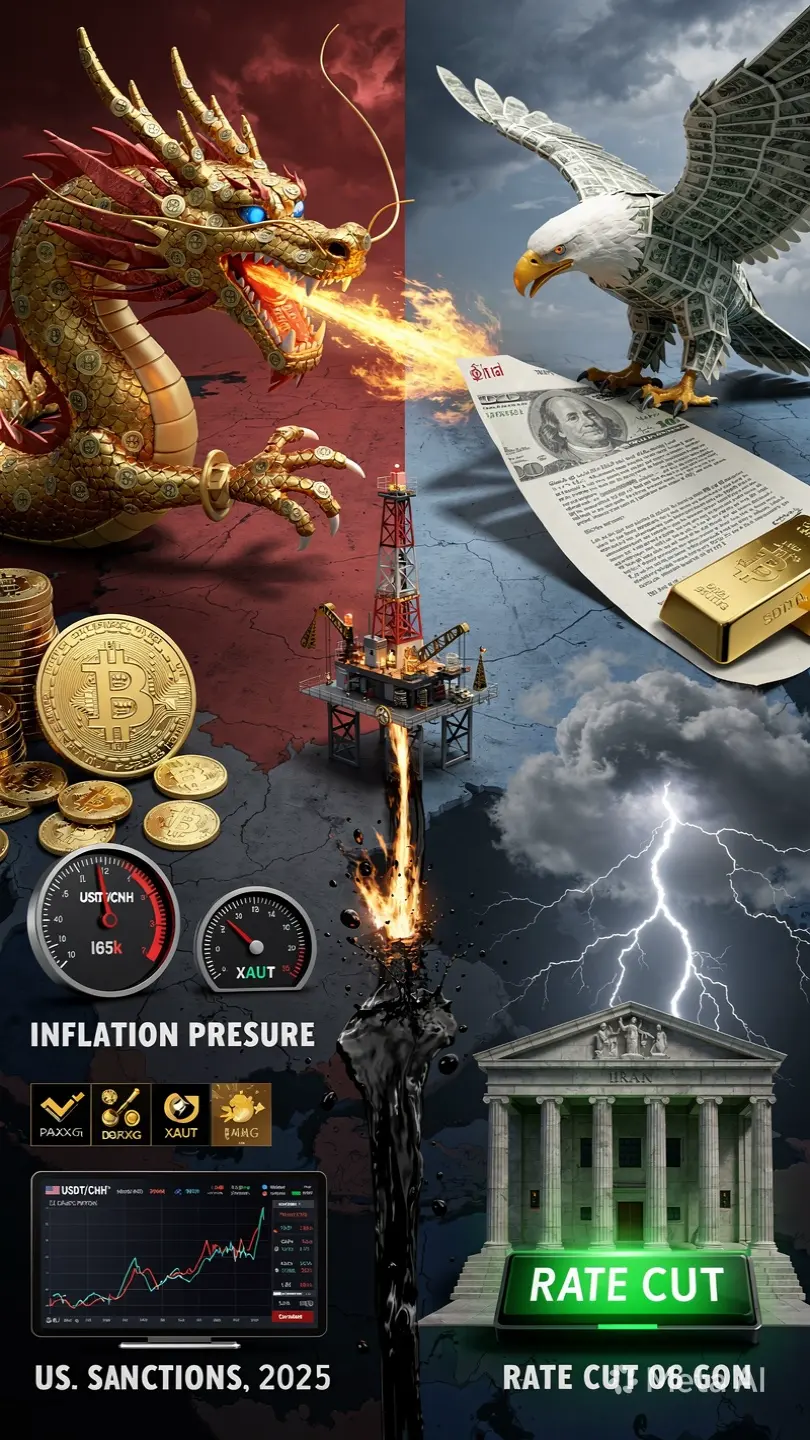
2025年5月2日,中国外交部表示不承认美国对伊朗石油采购实施的单方面制裁,并将继续进行合法的能源贸易。中国强调,它拒绝美国的“长臂管辖”。
为什么这对市场很重要?
1. 能源供应与通胀:中国是伊朗原油的最大买家。通过不遵守制裁,它可以防止全球石油供应进一步收紧。这可能会降低美国的通胀压力 → 美联储降息的可能性更高 → 对风险资产利好。 2. 反美元贸易:中国-伊朗的石油贸易通常以人民币计价。若去美元化叙事进一步强化,像BTC和黄金这样的替代储备资产可能在中期内获得支撑。 3. 地缘政治风险溢价:如果美中紧张局势升级,短期内加密市场的波动将上升。尤其在流动性较低的周末,尖峰式的价格波动(长上下影线)特别可能出现。
• BTC:当地缘政治风险上升时,BTC通常会先出现卖出,随后在避险情绪触发后再出现买入。$65K-$70K BTC区间对这类消息流高度敏感。 • 能源类代币:应在这一过程中重点关注PAXG、XAUT等黄金支持的代币,以及与WTI油价相关联的RWA项目。 • USDT/CNH:随着与中国人民币相关的发展推进,CNH交易对和离岸稳定币的交易量正在增加。在Gate.io上关注CNH交易对可能会有所
查看原文🇨🇳 中国拒绝美国制裁:对油市和加密市场有何影响?
已确认的进展
2025年5月2日,中国外交部表示不承认美国对伊朗石油采购实施的单方面制裁,并将继续进行合法的能源贸易。中国强调,它拒绝美国的“长臂管辖”。
为什么这对市场很重要?
1. 能源供应与通胀:中国是伊朗原油的最大买家。通过不遵守制裁,它可以防止全球石油供应进一步收紧。这可能会降低美国的通胀压力 → 美联储降息的可能性更高 → 对风险资产利好。 2. 反美元贸易:中国-伊朗的石油贸易通常以人民币计价。若去美元化叙事进一步强化,像BTC和黄金这样的替代储备资产可能在中期内获得支撑。 3. 地缘政治风险溢价:如果美中紧张局势升级,短期内加密市场的波动将上升。尤其在流动性较低的周末,尖峰式的价格波动(长上下影线)特别可能出现。
• BTC:当地缘政治风险上升时,BTC通常会先出现卖出,随后在避险情绪触发后再出现买入。$65K-$70K BTC区间对这类消息流高度敏感。 • 能源类代币:应在这一过程中重点关注PAXG、XAUT等黄金支持的代币,以及与WTI油价相关联的RWA项目。 • USDT/CNH:随着与中国人民币相关的发展推进,CNH交易对和离岸稳定币的交易量正在增加。在Gate.io上关注CNH交易对可能会有所
- 赞赏
- 34
- 30
- 转发
- 分享
crypto_world1:
直达月球 🌕查看更多
加载更多
加入 4000 万人汇聚的头部社区
⚡️ 与 4000 万 人一起参与加密货币热潮讨论
💬 与喜爱的头部博主互动
👍 查看感兴趣的内容
热门话题
118.74万 热度
2.88万 热度
64万 热度
91.29万 热度
2915.05万 热度
36.38万 热度
1.46亿 热度
28.92万 热度
154.45万 热度
4.66万 热度
置顶