As the number of Web3 applications continues to grow, users often need to rely on wallets, social platforms, information tools, and community applications at the same time when participating in the blockchain ecosystem. Constantly switching between multiple products not only affects the user experience, but also raises the learning curve for newcomers.
AntFun aims to create a unified user gateway by integrating multichain wallets, social networking, and AI services. Against the backdrop of AI wallets and SocialFi gradually becoming important directions for the industry, the product model represented by AntFun reflects the broader shift of Web3 infrastructure toward comprehensive interaction platforms.
What Are the Main Components of AntFun’s Basic Feature System?
AntFun’s core functions mainly consist of a wallet system, a social networking system, and an AI service system.
The wallet module is responsible for digital asset management and on-chain interaction. Users can manage assets across different blockchain networks and perform actions such as transfers, authorizations, and DApp connections.
The social module builds user relationship networks around on-chain identity. Users can create personal profiles, follow other members, and participate in community interactions.
The AI module handles information organization, content recommendations, and assistance in understanding on-chain data, helping users access Web3 information more efficiently.
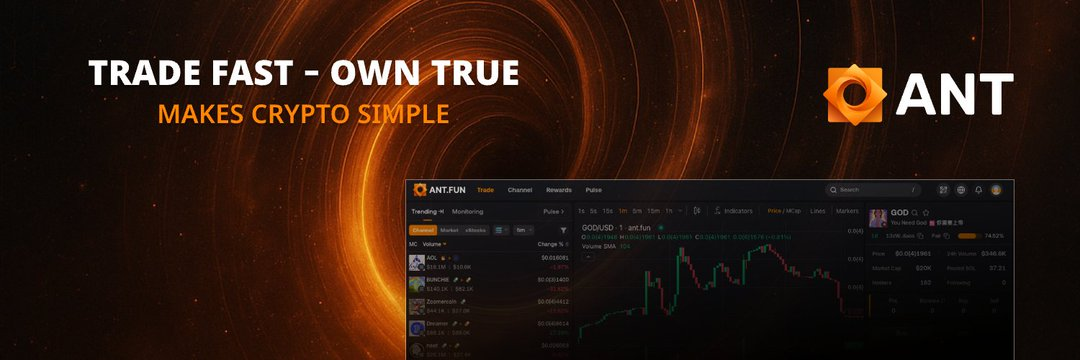
How to Create an AntFun Wallet
The first step in using AntFun is usually creating or importing a wallet.
New users can generate a new wallet account and receive the corresponding mnemonic phrase or private key information. The mnemonic phrase is a crucial credential for restoring control of the wallet and should be stored securely.
Existing Web3 users can also connect their original wallet accounts by importing a mnemonic phrase or private key, allowing them to retain existing assets and on-chain identity records.
Once the wallet is created, users receive their own on-chain address and can begin participating in subsequent ecosystem activities.
How to Complete On-Chain Identity Setup
On-chain identity is an important foundation of AntFun’s social ecosystem.
In traditional wallets, addresses are usually used only to receive and send assets. In a social wallet system, however, addresses also serve as a form of identity display.
Users can set a nickname, avatar, personal bio, and other public information, creating a more intuitive on-chain identity profile.
After identity setup is complete, users can enjoy a more complete social experience when participating in community interactions and content discussions.
How to Manage Digital Assets and Connect to Blockchain Networks
After configuring the wallet, users can begin managing digital assets.
AntFun supports multichain wallet functionality, allowing users to connect to different blockchain networks and view corresponding asset balances and transaction history.
During asset management, users can transfer funds, receive assets, sign transactions, and authorize smart contracts.
When users access decentralized applications, AntFun can serve as an identity verification and transaction signing tool, enabling connections with external Web3 applications.
How to Build a Social Relationship Network
The social relationship network is one of the key differences between AntFun and traditional wallets.
Users can build their own social circles by searching for accounts, following other members, and joining community discussions.
As interactions accumulate, the platform gradually forms an on-chain social graph. Follow relationships, content interactions, and community participation records together make up a user’s relationship network within the ecosystem.
This model allows users to discover more projects, communities, and collaboration opportunities through shared interests and activities.
How AntFun’s AI Features Contribute to the User Experience
AI services are present throughout multiple stages of the AntFun user experience.
When users browse projects or communities, AI can help organize public information and generate concise summaries, reducing the effort required for reading.
When discovering new projects, the AI recommendation system can provide a personalized information feed based on the content users follow and their interaction behavior.
For complex on-chain activity, AI tools can also provide background explanations and assisted analysis, helping users understand relevant content more quickly.
What Steps Does a Typical User Go Through in AntFun?
From the user’s perspective, the complete AntFun experience usually follows a continuous process.
The first stage is creating a wallet and obtaining an on-chain identity.
The second stage is connecting to blockchain networks and managing digital assets.
The third stage is completing a personal profile and building social relationships.
The fourth stage is participating in community interaction and content exchange.
The fifth stage is using AI tools to discover projects, access information, and explore the broader Web3 ecosystem.
This process reflects AntFun’s product design philosophy as it moves from an asset management tool toward a comprehensive Web3 user gateway.
Conclusion
Using AntFun involves several steps, including wallet creation, identity setup, asset management, social interaction, and AI service usage. Compared with traditional crypto wallets, AntFun incorporates on-chain identity, social graphs, and intelligent information services into a unified product framework, turning the wallet into an important gateway for users entering the Web3 world.
From an industry development perspective, the integration of AI and social features is driving wallet products from basic tools toward comprehensive interaction platforms. The process demonstrated by AntFun not only reflects its product design logic, but also points to the direction of next-generation Web3 user experiences.
FAQs
Do I Need to Create a New Wallet to Use AntFun?
AntFun supports both creating a new wallet and importing an existing one. Users can choose to generate a new account or import an existing mnemonic phrase and private key based on their own needs.
What Is the Purpose of On-Chain Identity in AntFun?
On-chain identity is used to display a user’s profile, social relationships, and community activity records within the Web3 ecosystem. It is an important foundation for participating in social networking.
How Does AntFun Help Users Discover New Projects?
AntFun combines social graphs with AI recommendation mechanisms to organize and filter public information, helping users discover relevant communities, projects, and ecosystem resources.
What Scenarios Are AntFun’s AI Features Mainly Used In?
AntFun’s AI features are mainly used in information aggregation, content recommendations, project discovery, on-chain data understanding, and intelligent assisted interaction.